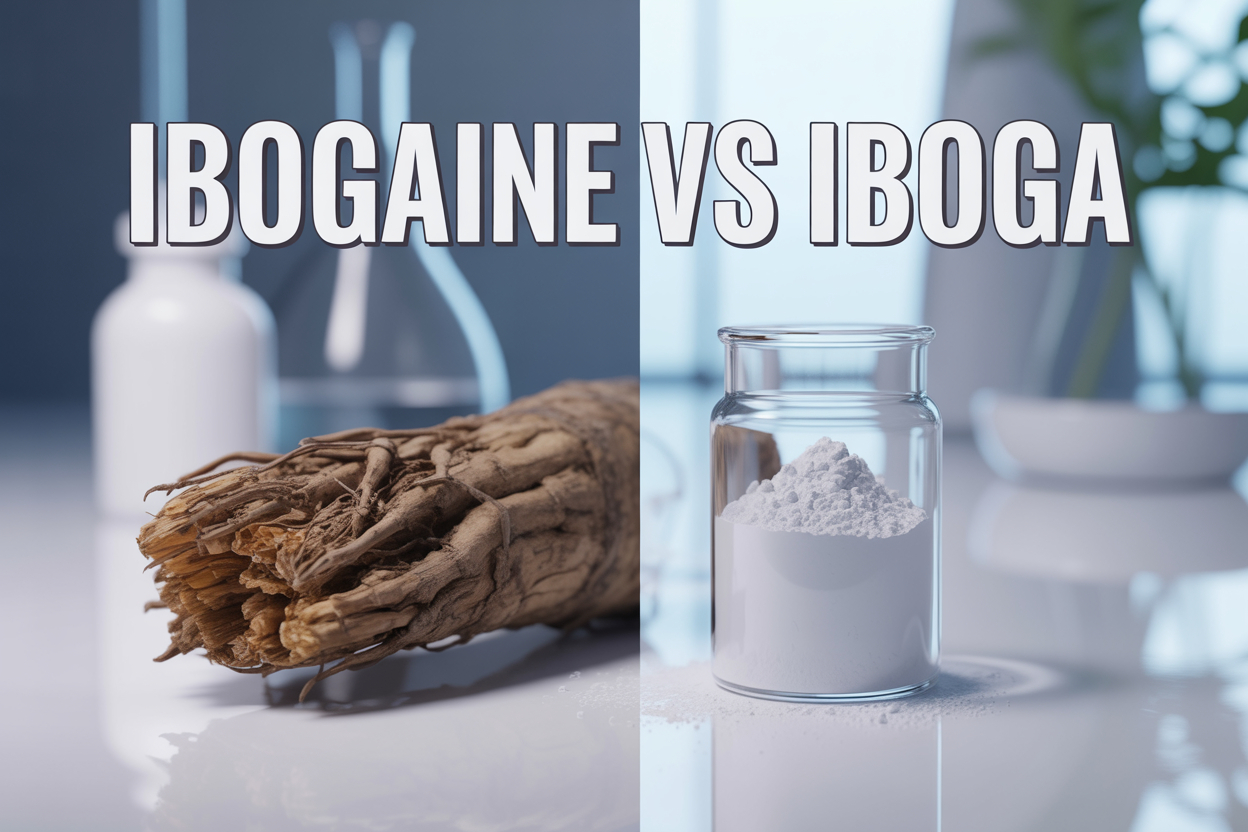
Understanding the Difference Between Iboga and Ibogaine
The global conversation surrounding psychedelic medicine and alternative addiction treatments has brought the sacred African shrub Tabernanthe iboga into the spotlight. Within this conversation, two terms are frequently used interchangeably: Iboga and Ibogaine.
While they originate from the same botanical source, they are fundamentally different in their chemical composition, cultural usage, and application in modern therapy. Understanding these differences is critical for anyone exploring these substances for spiritual growth or addiction recovery.
What Is Iboga?
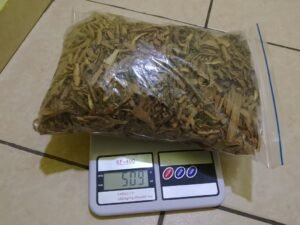
Iboga refers to the raw, natural plant material derived from the Tabernanthe iboga shrub, which is native to the rainforests of Central Africa, particularly Gabon and Cameroon.
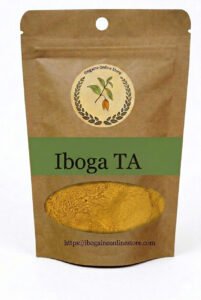
For centuries, the indigenous Bwiti religion has used the yellowish root bark of the iboga plant in sacred, communal initiation rituals. Iboga contains a complex matrix of at least 11 different alkaloids, including ibogaine, ibogamine, and tabernanthine. When consumed in its traditional form—usually as a ground root bark powder or scraped shavings—it offers a holistic, full-spectrum plant medicine experience deeply rooted in spiritual exploration and ancestral healing.
What Is Ibogaine?
Ibogaine is a single, specific alkaloid extracted from the iboga plant and isolated in a laboratory setting. It is the primary psychoactive component responsible for the plant’s anti-addiction properties.
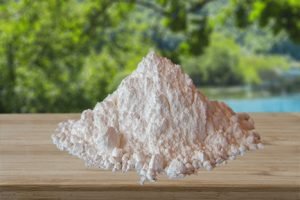
In clinical and therapeutic settings, it is most commonly processed into Ibogaine Hydrochloride (HCl), a purified white or off-white powder. Because it is an isolated compound, Ibogaine HCl allows for precise, scientific dosing based on a patient’s body weight and medical profile. It strips away the other plant alkaloids to deliver a concentrated mechanism of action targeted specifically at interrupting chemical dependency.
Key Differences: Iboga vs. Ibogaine
To understand how these two forms stack up against each other, it helps to look at their characteristics side-by-side:
| Feature | Iboga (Root Bark) | Ibogaine (Isolated Alkaloid/HCl) |
|---|---|---|
| Composition | Full-spectrum plant material containing 11+ alkaloids. | A single, isolated and purified alkaloid. |
| Form | Raw shaved bark, root powder, or total alkaloid (TA) extract. | Purified crystalline powder (Ibogaine HCl). |
| Primary Use | Psycho-spiritual exploration, Bwiti rituals, personal growth. | Medical detox, opioid withdrawal interruption, addiction therapy. |
| Dosing | Difficult to standardize due to natural variations in the bark. | Highly precise and measured in milligrams per kilogram. |
| Taste & Ingestion | Extremely bitter, requires consuming large amounts of plant matter. | Easily encapsulated; minimal physical material to swallow. |
Why the Distinction Matters for Safety
Distinguishing between Iboga and Ibogaine is not just a matter of semantics—it is vital for consumer and patient safety.
Because raw Iboga contains a cocktail of multiple alkaloids, it puts a different kind of metabolic stress on the body, particularly the liver and the cardiovascular system. Ibogaine HCl, while still carrying notable cardiac risks (such as QT interval prolongation), has been heavily studied in clinical environments.
When utilizing purified Ibogaine, medical screening—including electrocardiograms (ECGs) and liver panel tests—can map out exact safety thresholds. Attempting a high-dose addiction detox using raw iboga bark introduces unpredictable variables that significantly increase physical risk.
The Experience: What to Expect from Each
The Iboga Experience
Consuming the raw root bark typically results in a longer, heavier physical experience. The presence of secondary alkaloids often induces intense purging (vomiting), dizziness, and heavy ataxia (loss of body movement coordination). The visionary phase is frequently described as a holistic, earth-centered journey, filled with ancestral visions and a deep sense of connection to nature.
The Ibogaine Experience
The purified Ibogaine HCl experience is more streamlined. While nausea and ataxia are still present, the physical purging is generally less violent. The psychological phase is often described as a waking dream or a “digital reset” of the mind. Patients frequently report reviewing their life choices like a fast-forwarded movie, allowing them to process trauma and rewiring the brain’s reward pathways without emotional distress.
Which Is Used for Addiction Treatment?
For acute chemical dependencies—especially severe opioid, alcohol, or methamphetamine addiction—Ibogaine HCl is the gold standard.
Opioid withdrawal requires an exact, potent dose to successfully flood the brain’s receptors and eliminate withdrawal symptoms. Purified Ibogaine rapidly resets the nicotine, opioid, and dopamine receptors back to a pre-addiction state.
Raw Iboga bark is rarely used for acute detox because the sheer volume of powder required to achieve a therapeutic dose of ibogaine would cause severe, potentially dangerous gastrointestinal and cardiac distress. However, raw Iboga or Total Alkaloid (TA) extracts are sometimes utilized after detox for ongoing spiritual integration and anti-craving maintenance.
How Ibogaine Online Store Approaches This
At Ibogaine Online Store, we believe that transparency and education are the cornerstones of safe healing. We recognize that the needs of a psycho-spiritual seeker are entirely different from the needs of an individual trying to break the chains of substance dependency.
To cater to these distinct pathways, we source and provide both premium, sustainably harvested Iboga root bark powder for traditional, spiritual explorations, as well as highly purified Ibogaine HCl intended for precise therapeutic protocols. Our mission is to bridge the gap between ancient African botanical traditions and modern extraction standards, ensuring our community has access to authentic, lab-tested options accompanied by comprehensive safety guidelines.
Frequently Asked Questions
Is Ibogaine stronger than Iboga?
Ibogaine is not necessarily “stronger,” but it is highly concentrated. One gram of Ibogaine HCl contains pure, isolated alkaloid, whereas one gram of Iboga root bark contains only a small percentage (usually 2% to 5%) of active ibogaine alongside other plant matter.
Ibogaine is not necessarily “stronger,” but it is highly concentrated. One gram of Ibogaine HCl contains pure, isolated alkaloid, whereas one gram of Iboga root bark contains only a small percentage (usually 2% to 5%) of active ibogaine alongside other plant matter.
Can I use Iboga root bark to detox from opioids at home?
It is highly discouraged. Detoxing from opioids requires high, precise concentrations of ibogaine that are difficult to achieve safely with raw root bark. Furthermore, detoxing from severe dependencies should always be done under professional medical supervision.
It is highly discouraged. Detoxing from opioids requires high, precise concentrations of ibogaine that are difficult to achieve safely with raw root bark. Furthermore, detoxing from severe dependencies should always be done under professional medical supervision.
What is Total Alkaloid (TA) extract?
TA extract sits comfortably between raw Iboga and pure Ibogaine. It contains all the alkaloids of the iboga plant but removes the indigestible woody plant matter, resulting in a dark paste or powder that is easier on the stomach than root bark.
TA extract sits comfortably between raw Iboga and pure Ibogaine. It contains all the alkaloids of the iboga plant but removes the indigestible woody plant matter, resulting in a dark paste or powder that is easier on the stomach than root bark.
Final Thoughts
Navigating the worlds of ethnomedicine and modern addiction therapy requires an understanding of your tools. Iboga offers a sacred, full-spectrum gateway to traditional spiritual healing, while Ibogaine provides a precision-targeted molecular tool engineered to disrupt severe addiction pathways. By respecting the distinctions between the two, individuals can make informed, safer decisions that align with their personal path to wellness.
Medical Disclaimer: The information provided in this post is for educational and informational purposes only and is not intended as medical advice. Iboga and Ibogaine are powerful substances that carry significant health risks, particularly relating to cardiovascular health. Always consult with a qualified healthcare professional and undergo necessary medical screenings before considering the use of these compounds.