
What Substances Can Cause Addiction?
Understanding What Substances Can Cause Addiction
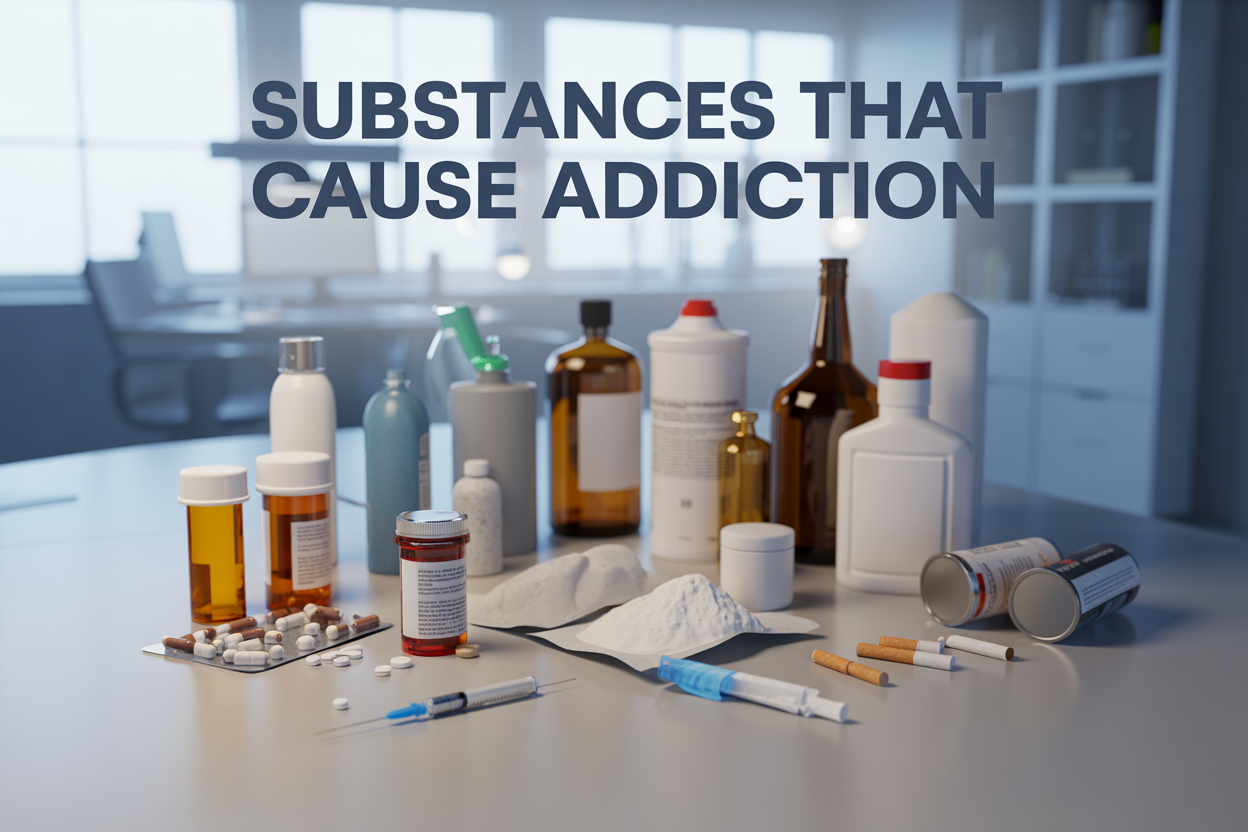
Addiction can develop from a surprising variety of substances – from prescription medications in your medicine cabinet to household products under your kitchen sink. This guide is for anyone who wants to understand addiction risks, whether you’re concerned about yourself, a family member, or simply want to make informed decisions about substance use.
Addictive substances fall into several main categories, each with different risks and warning signs. We’ll explore prescription drug addiction and how common medications can lead to dependence, examine illegal drugs addiction and the street substances that pose the highest risks, and discuss household products abuse – including everyday items that people misuse to get high. You’ll also learn to recognize substance use disorder warning signs and discover practical addiction prevention strategies to protect yourself and your loved ones.
The truth is, addiction doesn’t discriminate. It can affect anyone, regardless of age, background, or how the substance use started. By understanding these risks upfront, you’re taking the first step toward making safer choices and knowing when to seek help.
Understanding Prescription Medications That Can Lead to Addiction
Opioid Pain Relievers and Their Risks
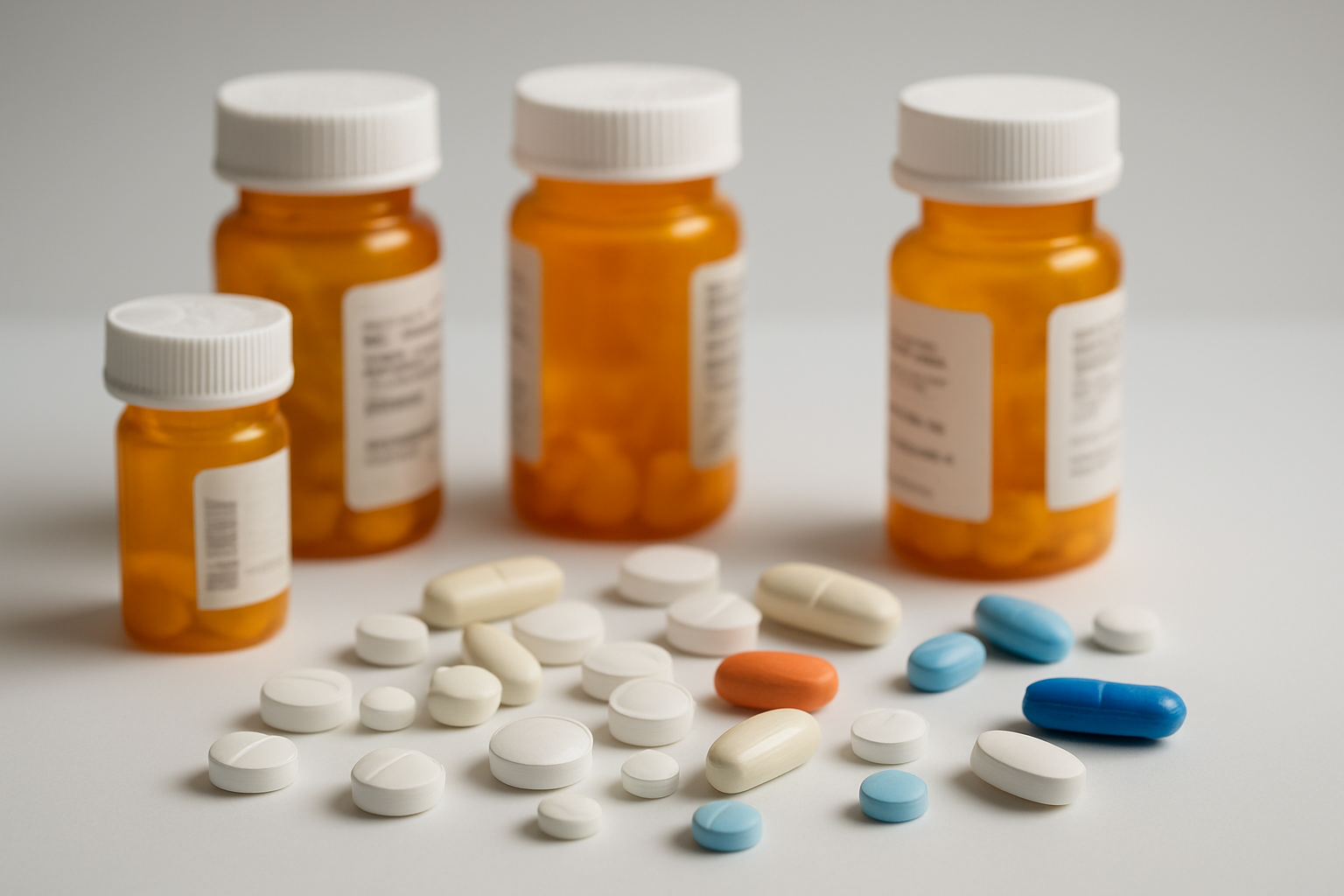
Opioid pain relievers represent one of the most concerning categories of prescription drug addiction risks. These medications, including oxycodone-containing drugs like OxyContin and Percocet, as well as hydrocodone-based medications like Norco, are specifically designed to treat pain but carry significant potential for misuse and dependence.
The addictive substances in this category work by activating the brain’s reward center, making physical dependence and addiction possible even when used as prescribed. Warning signs of opioid misuse include constipation, nausea, feeling high, slowed breathing rate, drowsiness, confusion, and poor coordination. Particularly concerning is when patients need increased doses for pain relief or experience worsening pain sensitivity with higher doses.
The medical consequences of opioid abuse are severe and potentially fatal. These medications can cause dangerously slowed breathing rates that may stop entirely, leading to coma or death. When combined with alcohol or other drugs, the risks multiply exponentially, making overdoses more likely and more dangerous.
Benzodiazepines for Anxiety and Sleep Disorders
Anti-anxiety medicines, sedatives, and hypnotics form another high-risk category of prescription drug addiction. Common medications in this group include alprazolam (Xanax), diazepam (Valium), and zolpidem (Ambien), which are prescribed to treat anxiety and sleep disorders.
These addictive substances present unique dangers due to their depressant effects on the central nervous system. Abuse symptoms include drowsiness, confusion, unsteady walking, slurred speech, poor concentration, dizziness, memory problems, and slowed breathing. The combination of these effects can significantly impair daily functioning and increase accident risks.
Medical consequences of benzodiazepine abuse include memory problems, dangerously low blood pressure, and severely slowed breathing. Overdoses can result in coma or death. A particularly dangerous aspect of these medications is the withdrawal process – abruptly stopping can cause an overactive nervous system and potentially life-threatening seizures, making medically supervised detoxification essential.
Stimulant Medications for ADHD Treatment
Stimulant medications prescribed for attention-deficit/hyperactivity disorder (ADHD) and certain sleep disorders present their own substance abuse risks. These include methylphenidate (Ritalin, Concerta), dextroamphetamine-amphetamine (Adderall XR, Mydayis), and dextroamphetamine (Dexedrine).
While these medications can be highly effective for legitimate medical conditions, their misuse has become increasingly problematic, particularly among teens and young adults seeking enhanced academic or work performance. Signs of stimulant abuse include increased alertness, feeling high, irregular heartbeat, high blood pressure, elevated body temperature, reduced appetite, insomnia, agitation, anxiety, and paranoia.
The medical consequences of stimulant abuse are serious and can include dangerous increases in body temperature, heart problems, high blood pressure, seizures, tremors, hallucinations, aggressiveness, and paranoid thinking. These effects can occur rapidly and without warning, making stimulant abuse particularly unpredictable and dangerous.
Barbiturates and Other Depressant Medications
While less commonly prescribed today, barbiturates and other depressant medications still pose significant addiction prevention challenges. These medications share similar risks with benzodiazepines but often with more severe consequences due to their stronger depressant effects.
The abuse potential of these medications stems from their ability to produce feelings of relaxation and euphoria while reducing anxiety and tension. However, the therapeutic window between an effective dose and a dangerous dose is often narrow, making accidental overdoses more likely.
Physical dependence can develop quickly with regular use, and the body’s tolerance means users may need increasingly higher doses to achieve the same effects. This pattern of escalating use significantly increases the risk of overdose and other serious medical complications. Like other depressants, combining these medications with alcohol or other substances dramatically increases the danger of respiratory depression and death.
Recognizing Highly Addictive Illegal Street Drugs
Heroin and Synthetic Opioids Like Fentanyl
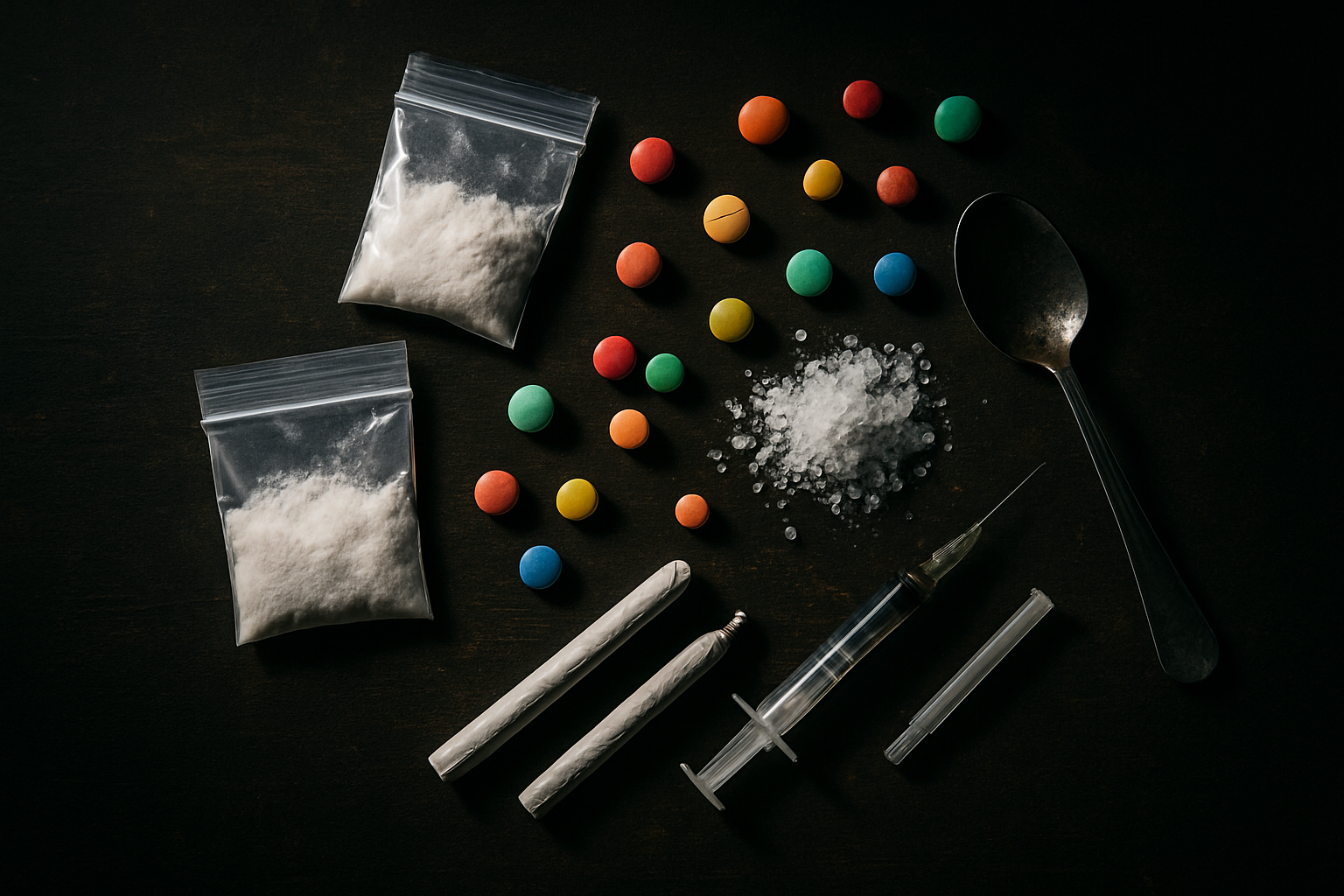
Opioids represent some of the most dangerous and addictive substances on the planet. Heroin, derived from morphine, elicits its powerful effects by binding to and activating mu-opioid receptors (MOR) in the brain. These receptors stimulate the release of dopamine, creating intense feelings of pleasure that overwhelm the entire body. What makes heroin particularly insidious is how quickly its effects manifest and how powerfully they impact users – the brain remembers these sensations, leading to intense cravings for more heroin.
The National Institute on Drug Abuse estimates that 23 percent of people who use heroin become dependent on it, making it one of the most addictive substances available. Unlike other drugs that affect dopamine directly, opioids work by attaching to the GABA neurotransmitter, which controls the brain’s reward and pleasure pathway. Once opioids slow down the GABA neurons, dopamine floods the brain’s pleasure circuits, resulting in waves of pleasure and pain relief that reinforce the rewarding nature of the experience.
Signs of heroin use include:
-
Drug paraphernalia such as syringes, pipes, or dirty spoons
-
Nausea and vomiting
-
Slowed breathing
-
Flushed skin and constricted pupils
-
Memory problems
-
Little to no self-control
The danger with heroin and synthetic opioids is that every use carries the risk of overdose. Approximately 107,000 drug overdose deaths in 2021 involved these substances, highlighting their lethal potential.
Cocaine and Methamphetamine Stimulants
Now that we have covered opioids, let’s examine the stimulant category of illegal drugs addiction. Cocaine stands out as the most addictive substance based on its powerful effect on the brain. This potent stimulant creates bursts of extreme happiness, focus, energy, and alertness, but can also cause irritability and paranoia when misused.
Cocaine elevates dopamine levels in a distinctive way, resulting in euphoric feelings that differ from highs produced by other drugs. Due to this extreme elevation in mood, people who use cocaine become particularly aware of the adverse psychological side effects of withdrawal and abstinence, such as depression and fatigue. This awareness leads them to use the drug at increased frequency to avoid these negative feelings. In the United States, 1.4 million people over age 12 reported having a cocaine use disorder.
Physical signs of cocaine use include:
-
Dilated pupils
-
Frequent nosebleeds
-
Track marks from injection
-
Runny nose from snorting
Methamphetamine, another habit-forming stimulant, results in increased alertness, talkativeness, and hyperactivity. However, adverse side effects include irregular heartbeat, agitation, increased blood pressure, and aggressive behavior. Methamphetamine causes rapid dopamine release, significantly increasing dopamine levels in the brain during use. This rush leads to increased use as people attempt to recreate and repeat the experience, ultimately leading to addiction. Statistics show that 1.6 million people over age 12 in the US reported having a methamphetamine use disorder.
Synthetic Hallucinogens and Designer Drugs
With this in mind, next we’ll examine the category of synthetic hallucinogens and designer drugs, which represent an evolving threat in the landscape of addictive substances. While the reference content doesn’t provide extensive details about specific synthetic hallucinogens, it’s important to understand that these substances often affect dopamine levels and the brain’s reward system in unpredictable ways.
Designer drugs are particularly dangerous because they are constantly evolving to evade legal restrictions, making their effects and addiction potential difficult to predict or study comprehensively. These substances often mimic the effects of traditional drugs like cocaine, methamphetamine, or opioids while using different chemical compositions.
The addictive potential of these synthetic substances lies in their ability to disrupt normal dopamine function. As with other addictive drugs, habitual use typically results in decreased expression of dopamine receptors, leading to adverse feelings and withdrawal symptoms. This creates a cycle where individuals increase their use to achieve the short burst of dopamine and feelings of euphoria, which become progressively shorter as addiction develops.
The unpredictable nature of synthetic hallucinogens and designer drugs makes them particularly hazardous, as users cannot predict their potency, purity, or potential for causing overdose. This uncertainty, combined with their addictive properties, creates significant risks for substance abuse and the development of substance use disorders.
Identifying Common Household Products with Abuse Potential

Inhalants Including Aerosols and Cleaning Products
Many common household products contain chemicals that can be inhaled to produce intoxicating effects, making them substances with significant abuse potential. These addictive substances are particularly dangerous because of their widespread availability and the misconception that they are “safe” due to their everyday presence in homes.
Aerosol products such as spray paint, hair sprays, deodorants, and computer cleaners contain volatile chemicals that can cause immediate euphoria when inhaled. Similarly, cleaning products including bleach, ammonia-based cleaners, and spot removers contain toxic fumes that individuals may intentionally inhale. The accessibility of these products makes them especially concerning for household products abuse, as they require no prescription or age verification to obtain.
The danger of inhalant abuse lies not only in the immediate risks of suffocation, heart failure, and brain damage, but also in the potential for rapid addiction development. Unlike other substances that may take time to establish dependence, inhalants can create compulsive use patterns quickly, particularly among adolescents who may view them as harmless household items.
Over-the-Counter Medications at High Doses
Previously mentioned prescription medications aren’t the only pharmaceutical substance abuse risks found in family medicine cabinets. Many over-the-counter medications become dangerous when consumed in quantities far exceeding recommended dosages, creating serious addiction potential.
Cough medicines containing dextromethorphan (DXM) are frequently abused for their dissociative effects when taken in large quantities. Cold medications, sleep aids containing diphenhydramine, and even seemingly harmless pain relievers can produce altered mental states when consumed excessively. These medications are particularly problematic because they’re readily available without prescription and often perceived as safer alternatives to illegal substances.
The misuse of over-the-counter medications represents a growing concern in addiction prevention efforts, as individuals may not recognize the serious health consequences of consuming these products beyond their intended use. The ease of access, combined with the false sense of security associated with “medicine,” makes these substances particularly attractive to those seeking mood-altering effects.
Alcohol and Its Widespread Availability
Now that we have covered inhalants and over-the-counter medications, alcohol remains one of the most significant addictive substances due to its legal status and cultural acceptance. Its widespread availability in grocery stores, restaurants, and social settings makes it the most accessible mood-altering substance for adults in most households.
The reference content indicates that 134.7 million Americans aged 12 and older reported drinking alcohol, with 16.4 million classified as heavy drinkers and 61.4 million as binge drinkers. This demonstrates the massive scale of alcohol use across American families. The National Institute on Alcohol Abuse and Alcoholism defines binge drinking as consuming 5 or more drinks within 2 hours for men and 4 or more for women, while heavy drinking involves 15 or more drinks weekly for men and 8 or more for women.
Alcohol’s integration into social activities, celebrations, and stress management creates multiple pathways for substance use disorder warning signs to develop. Unlike illegal drugs or prescription medications, alcohol consumption is often encouraged socially, making it difficult for individuals and families to recognize when use has transitioned from social drinking to problematic consumption patterns that require professional intervention.
Understanding Plant-Based and Natural Substances That Cause Dependence

Cannabis and THC-Containing Products
Cannabis and products containing THC (tetrahydrocannabinol) represent one of the most widely used natural substances with significant addiction potential. While often perceived as less harmful than synthetic drugs, cannabis can lead to dependence and substance use disorders, particularly with prolonged use. The compound THC affects the brain’s reward circuits, similar to other addictive substances, by altering dopamine levels in areas critical to pleasure and motivation.
Regular cannabis use can result in tolerance, where users need increasingly larger amounts to achieve the same effects. This progression often leads to compulsive drug seeking and use despite adverse consequences, which are hallmark signs of addiction. Research shows that early use of cannabis significantly increases the risk of developing serious problems, as it can have harmful effects on the developing brain, particularly in adolescents whose prefrontal cortex is still maturing.
Tobacco and Nicotine Addiction
Nicotine, found naturally in tobacco plants, is one of the most addictive natural substances available. When smoked or used in other forms, nicotine reaches the brain within seconds, producing a powerful rush that quickly fades, driving users to seek repeated use to recapture the pleasurable state. This rapid delivery method significantly increases its addictive potential.
The chronic, relapsing nature of nicotine addiction involves functional changes to brain circuits involved in reward, stress, and self-control. These changes may persist long after a person stops using tobacco products. Environmental factors such as peer pressure, stress, and early exposure significantly influence the development of nicotine dependence, making it particularly challenging to overcome once established.
Traditional Plants Like Khat and Kratom
Traditional plant-based substances like khat and kratom contain natural alkaloids that can lead to dependence. These plants have been used culturally for centuries but carry significant addiction risks. The reference content indicates that natural alkaloids, including those found in traditional plants, can affect brain chemistry and reward pathways.
Research has identified various natural products with both therapeutic potential and abuse liability. Some plant-based compounds mentioned in scientific literature include mitragynine (found in kratom), which has shown both anti-addiction properties in some contexts and addictive potential in others. The dual nature of these natural substances demonstrates that being “natural” does not equate to being safe or non-addictive.
The availability of these traditional plants in communities where they grow naturally can increase exposure and risk factors for developing substance use disorders. Like other addictive substances, early use and method of consumption significantly influence the likelihood of developing dependence on these natural substances.
Recognizing Warning Signs of Substance Use Disorders

Physical Symptoms and Withdrawal Effects
Physical warning signs of substance use disorder are often the most noticeable indicators that someone may be struggling with addiction. These symptoms can vary significantly depending on the type of substance being used, but several common patterns emerge across different drug categories.
Visible Physical Changes
Bloodshot eyes and pupils that are either larger or smaller than usual are among the most telling physical signs. For stimulants like cocaine and methamphetamine, pupils become dilated, while opioid painkillers and heroin cause contracted pupils that don’t respond to light changes. Other noticeable physical changes include sudden weight loss or gain, deterioration of physical appearance, poor personal grooming habits, and tremors accompanied by slurred speech or impaired coordination.
Drug-Specific Physical Symptoms
Different substances produce distinct physical manifestations. Cannabis users may exhibit red eyes, dry mouth, decreased coordination, and carry a distinctive odor on their clothes. Those using depressants like Xanax or Valium display drunk-like effects, clumsiness, and excessive sleepiness. Inhalant abuse causes watery eyes, impaired vision, secretions from the nose, rashes around the nose and mouth, and poor muscle control.
Withdrawal Symptoms
When attempting to stop substance use, individuals experience withdrawal symptoms that can be both physically and emotionally challenging. These may include nausea, mood swings, irritability, tremors, inability to sleep, sweating, shaking, anxiety, and overall sickness. The severity of withdrawal symptoms often indicates the level of physical dependence that has developed.
Behavioral Changes and Risk Factors
Previously, we’ve examined the physical manifestations of substance use disorders. Now that we have covered those symptoms, behavioral warning signs provide equally important insights into potential addiction issues, often appearing before physical symptoms become apparent.
Secretive and Suspicious Behaviors
Individuals with substance use disorder frequently engage in secretive or suspicious behaviors as they attempt to hide their drug use. This includes lying about their whereabouts, being evasive about their activities, and making major efforts to bar family members from entering their room or personal spaces. They may also display drastic changes in behavior and relationships with family and friends.
Neglect of Responsibilities and Relationships
One of the most significant behavioral changes involves neglecting responsibilities at work, school, or home. This includes frequently missing school or work, sudden disinterest in previously enjoyed activities, and a drop in grades or work performance. Using substances causes difficulties in relationships, and individuals may abandon enjoyable activities like hobbies, sports, and socializing to use drugs instead.
Risk-Taking and Legal Issues
Behavioral warning signs often escalate to dangerous activities, including driving or engaging in other risky behaviors while under the influence. Individuals may frequently get into legal trouble through fights, accidents, illegal activities, and driving under the influence. They might also engage in activities they normally wouldn’t do to obtain drugs, such as stealing, or use drugs under dangerous conditions like using dirty needles or having unprotected sex.
Financial and Social Changes
Sudden changes in social circles, including new friends and favorite hangouts, often accompany substance use disorders. There’s typically an unexplained need for money or the development of financial problems, with individuals borrowing or stealing money to support their drug use. Life begins to revolve around drug use, with constant thoughts about using, figuring out how to get more substances, or recovering from use.
Health Complications from Substance Misuse
With this in mind, next, we’ll examine the serious health complications that can arise from substance misuse, which range from immediate dangers to long-term, life-threatening conditions.
Immediate Health Risks
Substance misuse creates numerous immediate health complications that can be life-threatening. Methamphetamine, opiates, and cocaine are highly addictive and cause multiple short-term health consequences, including psychotic behavior, seizures, or death due to overdose. Opioid drugs specifically affect the part of the brain that controls breathing, and overdose can result in death, with this risk significantly increased when opioids are combined with alcohol.
Club drugs like GHB and flunitrazepam may cause sedation, confusion, and memory loss, and at high doses can cause seizures, coma, and death. MDMA can interfere with the body’s ability to regulate temperature, potentially causing severe spikes in body temperature that result in liver, kidney, or heart failure and death. Other complications include severe dehydration leading to seizures.
Long-Term Physical Health Effects
Long-term substance use creates lasting damage to various body systems. Due to the toxic nature of inhalants, users may develop brain damage of different levels of severity, with sudden death possible even after a single exposure. Long-term MDMA use can damage the brain permanently. Cannabis use over extended periods is associated with decreased mental sharpness, poor performance at school or work, and ongoing cough with frequent lung infections.
Life-Threatening Complications
People with addiction face significantly higher risks of getting infectious diseases like HIV, either through unsafe sex or sharing needles. They’re more likely to die by suicide compared to those without addiction, and face increased accident risks due to impaired judgment and coordination. The combination of these health complications with the behavioral changes and physical symptoms creates a comprehensive picture of how substance use disorders affect every aspect of an individual’s well-being.
Protecting Yourself and Your Family from Addiction Risks

Safe Storage and Proper Use of Medications
Proper medication storage serves as your first line of defense in addiction prevention strategies. Store all prescription medications in their original containers with child-resistant caps, keeping them in a secure location away from unauthorized access. Avoid sharing prescription medications with family members or friends, even when symptoms appear similar, as individual medical needs vary significantly.
Monitor medication quantities regularly and dispose of unused or expired prescriptions through approved drug take-back programs rather than flushing them or throwing them in household trash. When taking prescription medications, follow dosing instructions precisely and never adjust dosages without consulting your healthcare provider, as deviation from prescribed use can increase addiction risks.
Seeking Professional Help for Substance Concerns
Now that we understand proper medication management, recognizing when to seek professional intervention becomes crucial. Family members often serve as the first to notice changes in mood or behavior that may indicate developing substance use disorders. Research demonstrates that family support plays a major role in helping loved ones with mental and substance use disorders begin their recovery journey.
If you suspect a family member is experiencing substance use concerns, you can play a central role in connecting them with appropriate treatment, resources, and services. Professional support options include family therapy and counseling, which improve treatment effectiveness by supporting the entire family unit. Support groups provide additional resources for families navigating these challenges.
Remember that helping a loved one with substance use concerns can be emotionally taxing, making it essential for caregivers to prioritize their own mental health throughout the process.
Understanding When to Have Conversations About Addiction
With prevention strategies in place, timing conversations about addiction protection strategies becomes vital for family well-being. Evidence shows that some individuals have genetic predisposition for developing substance use disorders and may face greater risks based on environmental factors, including growing up in homes affected by family members’ substance use history.
Start conversations with simple, direct approaches. You can initiate discussions about mental health and substance concerns with three simple words: “Can we talk?” The key lies in talking directly with loved ones about concerns over substance use rather than avoiding these critical discussions.
Every family faces unique challenges, but all families share bonds that can support members during difficult times. While no one-size-fits-all solution exists for helping family members with substance concerns, maintaining open communication channels and being prepared to offer support creates protective environments that reduce addiction risks for all family members.

Understanding which substances can lead to addiction is crucial for protecting yourself and your loved ones. From prescription medications like opioids and benzodiazepines to illegal drugs such as heroin and methamphetamine, the range of addictive substances is vast and includes items you might not expect. Even common household products like aerosols and over-the-counter medications can pose risks when misused, while plant-based substances like kratom and khat also carry potential for dependence.
Knowledge is your first line of defense against addiction. Store all medications and potentially harmful substances safely, use them only as directed, and stay alert to warning signs of substance use disorders in yourself and family members. If you suspect that you or a loved one may be struggling with substance use, don’t hesitate to reach out to a healthcare provider. They are there to help when you’re ready to have that important conversation about getting support and treatment.