
Ibogaine Vs Ayahuasca
People seeking psychedelic therapy often wonder about the differences between ibogaine vs ayahuasca, two powerful plant medicines with distinct healing approaches. This comprehensive comparison is for anyone considering psychedelic therapy, especially those dealing with addiction, trauma, or seeking spiritual growth.
Ibogaine and ayahuasca represent two completely different healing journeys. Ayahuasca, a South American brew containing DMT, offers ethereal, cosmic experiences lasting 6-12 hours and typically requires multiple ceremonies for lasting change. Ibogaine, derived from African plants, provides intensely grounding experiences lasting 18-36 hours and often produces profound shifts in just 1-3 sessions.
We’ll explore the fundamental experience differences between these medicines, including their unique neurological effects and ceremony duration. You’ll learn about the critical safety considerations and medical risks, particularly ibogaine’s cardiac effects that require medical supervision. Finally, we’ll compare their therapeutic applications – from ayahuasca’s approach to depression and PTSD to ibogaine’s remarkable ability to interrupt opioid withdrawal and treat addiction.
Understanding the Fundamental Differences Between Ibogaine and Ayahuasca
Plant Origins and Processing Methods
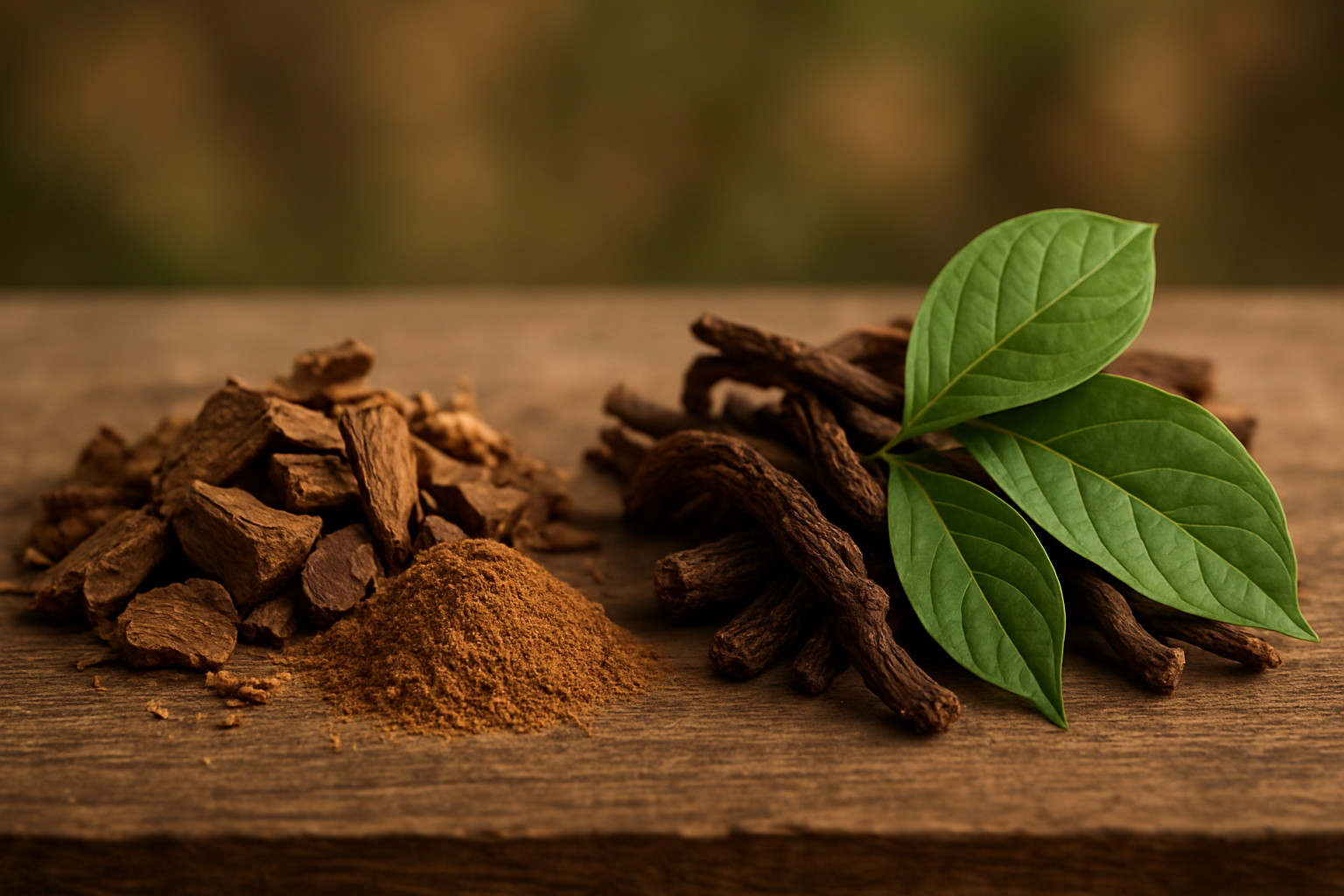
The fundamental distinction between ibogaine and ayahuasca begins with their botanical origins and preparation methods. Ayahuasca is a carefully crafted brew made from several plants found in the Amazon River Basin, most importantly the Banisteriopsis caapi vine combined with another psychotropic plant, usually Psychotria viridis or Diplopterys cabrerana. This psychoactive tea is produced by combining two essential components: N, N-Dimethyltryptamine (DMT) from the Psychotria viridis shrub, and monoamine oxidase inhibitor (MAOI) from the Banisteriopsis caapi vine.
The ayahuasca preparation process is elaborate and ceremonial, involving several days of careful brewing in South America. Each batch and healer prepares a slightly different brew with various added plants, but the core ingredients remain consistent: the DMT-containing plant and the Banisteriopsis caapi vine, which acts as an MAO inhibitor allowing DMT activation in the body.
In contrast, ibogaine is an indole alkaloid found in multiple plant species endemic to Central Africa, the Amazon River Basin, Australia, and South America. The compound is most concentrated in the Tabernanthe iboga plant, a sacred and slow-growing shrub native to West Africa. However, due to sustainability concerns and the protected status of iboga, most ibogaine used in treatment centers is now derived from the more abundant Voacanga africana tree.
Unlike ayahuasca’s lengthy preparation process, iboga processing is more straightforward. The roots may be chewed alone or processed into a powder or extract for ceremonial use. When processed for medical applications, ibogaine hydrochloride (HCl) becomes a white crystalline powder administered in capsules, making it technically a semi-synthetic plant medicine when derived from Voacanga africana.
Active Compounds and Chemical Composition
The chemical composition of these two plant medicines reveals their distinct pharmacological profiles. Ayahuasca’s psychoactive effects result from the synergistic combination of DMT and beta-carboline alkaloids. The DMT provides the primary psychedelic experience, while the beta-carboline from Banisteriopsis caapi acts as an MAOI, preventing the breakdown of DMT in the digestive system and allowing it to reach the brain effectively.
Ibogaine presents a more complex alkaloid profile. The Tabernanthe iboga plant contains ibogaine as its primary psychoactive compound, along with other alkaloids including voacangine, tabernanthine, coronaridine, ibogamine, and harmaline. These additional alkaloids may provide complementary healing properties, though research on their specific benefits remains limited.
The pharmacological mechanisms differ significantly between these compounds. Ibogaine affects multiple neurotransmitters in the brain, increasing dopamine and serotonin levels by blocking their transporters. Most notably, ibogaine is the only known natural compound that catalyzes the release of GDNF (glial cell-derived neurotrophic factor), a neurotrophic factor responsible for neuron survival and promoting neuroplasticity. This unique property contributes to ibogaine’s distinctive ability to interrupt opioid withdrawal and support dopamine receptor health.
Ayahuasca’s chemical action primarily involves serotoninergic effects through DMT’s interaction with serotonin receptors, while the beta-carboline components provide neuroprotective benefits by upregulating brain-derived neurotrophic factor (BDNF) levels and stimulating new brain cell formation.
Cultural Heritage and Traditional Use
The cultural contexts surrounding these plant medicines reflect their diverse geographical origins and spiritual applications. Ayahuasca originates from the Upper Amazon Basin countries of Peru, Brazil, Colombia, and Ecuador, where indigenous South American tribes first formulated the brew. The ayahuasca vine can grow up to 30 meters in length and has been used in traditional ceremonies for an estimated 1,000 to 5,000 years, though some sources suggest even greater antiquity.
The global popularity of ayahuasca began in 1970 when Dennis and Terence McKenna traveled to the Colombian Amazon and later wrote about their experiences. Their research findings, speaking engagements, and publications helped popularize ayahuasca internationally, leading to the current boom in ayahuasca tourism and ceremonial use worldwide.
Iboga’s cultural heritage is deeply rooted in Central West Africa, particularly in Gabon, Cameroon, and the Democratic Republic of the Congo. The Bwiti spiritual tradition, which began with the Babongo (also known as Bongo Pygmies), has used iboga as their sacrament for thousands of years. Since Bwiti is an oral tradition, the exact timeline of iboga use remains unknown, but it may represent one of the first entheogens used in human history.
French colonists first observed iboga use in the late 19th century, leading to the brief development of a European medicine called “Lambarene.” However, the plant’s sacred status in Bwiti culture cannot be overstated. For practitioners of this spiritual discipline, administering ibogaine outside of a ceremonial container is considered disrespectful to Bwiti cultures and denies seekers the complete teaching of iboga.
The cultural protection of iboga is legally recognized in Gabon, where it holds the status of “national cultural heritage” and “strategic reserve.” All exports were banned in 2019, citing both the United Nations Nagoya Protocol and concerns about illegal exploitation of this culturally sacred resource.
Experience Characteristics and Journey Duration

Direction of Spiritual Journey – Outward vs Inward
The fundamental distinction between ibogaine vs ayahuasca lies in their directional approach to consciousness exploration. Ayahuasca typically facilitates an outward journey, where users report experiencing visions of external entities, particularly female deities often referred to as “the mother.” These experiences frequently include jungle-themed imagery and environmental connections that extend beyond the individual’s internal landscape.
In contrast, ibogaine creates a profoundly introspective experience that turns consciousness inward. Users describe this psychedelic therapy comparison as particularly challenging and intensely self-focused, requiring deep examination of one’s inner psychological terrain. The inward nature of ibogaine makes it especially effective for addressing addiction patterns, as it forces individuals to confront underlying psychological mechanisms driving their substance use.
Trip Duration and Intensity Levels
The duration differences between these plant medicine differences are among the most significant distinguishing factors. Ayahuasca produces a 6-8 hour psychedelic experience that is described as very intense, while ibogaine creates one of the longest-lasting psychedelic journeys, extending 24-36 hours from a single dose.
| Substance | Duration | Intensity Level |
|---|---|---|
| Ayahuasca | 4-8 hours | Very intense with purging |
| Ibogaine | 18-36 hours | Extremely intense and challenging |
The extended duration of ibogaine significantly impacts the overall experience intensity. While ayahuasca’s shorter timeframe allows for multiple ceremonies during retreat settings, ibogaine’s marathon-length journey requires extensive preparation and monitoring. Most users find the prolonged nature of ibogaine particularly taxing, contributing to why it’s typically reserved for severe addiction cases where other interventions have failed.
Visual and Consciousness Alterations
Ayahuasca consistently produces specific visual themes regardless of geographic location. Users report seeing female deities and jungle-like environments even when consuming the substance outside of South America. These visions appear to be intrinsic to the ayahuasca experience rather than culturally influenced, suggesting the compound has predictable effects on visual processing centers.
Ibogaine’s consciousness alterations focus less on external visions and more on internal psychological processing. The experience is characterized as particularly introspective and challenging, often lacking the vivid external imagery associated with ayahuasca. Instead, users report intense internal dialogues and psychological confrontations that can be distressing but therapeutically valuable for addiction treatment.
Both substances create significant consciousness alterations, but their mechanisms differ substantially. Ayahuasca stimulates serotonin receptors affecting mood and emotions, while ibogaine’s complex pharmacology involves multiple neurotransmitter systems including opioid receptors, which explains its specific effectiveness for addiction treatment.
Safety Considerations and Medical Risks

Cardiovascular Risks and Medical Screening Requirements
Ibogaine poses significant cardiovascular risks that require comprehensive medical screening before administration. The reference literature documents numerous fatal cardiac events associated with ibogaine use, making cardiac monitoring an essential safety protocol. Ibogaine’s complex interaction with multiple neurotransmitter systems, including acetylcholine, serotonin, dopamine, glutamate, and opioid pathways, can directly affect heart rhythm and blood pressure regulation.
Medical screening protocols must identify individuals with preexisting cardiac conditions, as these populations face heightened risks. The prolonged duration of ibogaine effects—beginning thirty minutes to three hours after ingestion and peaking after eighteen to thirty-six hours—necessitates extended cardiovascular monitoring throughout the entire experience.
In contrast, ayahuasca presents different cardiovascular considerations, though both substances require specialized medical evaluation. Clinical guidelines emphasize the importance of establishing standardized screening procedures that encompass comprehensive cardiac assessment, including electrocardiograms and blood pressure evaluations, before administering either substance in therapeutic settings.
Drug Interactions and Contraindications
Both ibogaine and ayahuasca present significant drug interaction risks that must be carefully evaluated during the screening process. Ibogaine’s multifaceted neurochemical activity creates potential conflicts with various medications, particularly those affecting cardiac rhythm, blood pressure, or central nervous system function.
The extended duration of ibogaine’s effects increases the window for potential drug interactions, making thorough medication history assessment crucial. Healthcare providers must evaluate all prescription medications, over-the-counter drugs, and supplements that participants may be taking.
Clinical research protocols specifically address medication management as a critical safety component. The guidelines developed by specialized research teams emphasize the need for detailed protocols covering medication interactions and appropriate washout periods before psychedelic administration. These contraindications extend beyond pharmaceutical interactions to include certain medical conditions that may be exacerbated by either substance.
Supervision Requirements for Safe Administration
Safe administration of both ibogaine and ayahuasca requires specialized medical supervision throughout the entire experience. The clinical guidelines established by research institutions emphasize continuous monitoring protocols that address both psychiatric and medical manifestations during sessions.
For ibogaine specifically, responsible providers must maintain close medical supervision with cardiac monitoring capabilities, given the documented risks of fatal cardiac events. The supervision requirements extend beyond the active experience phase, as residual effects including heightened awareness, mild stimulation, and disturbed sleep can persist for up to seventy-two hours.
Clinical protocols encompass detailed procedures for managing potential adverse events, including panic attacks, suicidal behavior, psychotic episodes, hypertensive crises, and hypoglycemia. The experimental environment setup requires specialized training and equipment to handle emergency situations effectively.
Research teams have developed comprehensive protocols covering participant approach strategies, continuous monitoring procedures, and post-session management protocols. These supervision requirements reflect the complexity of psychedelic therapy and the need for specialized expertise in managing both the therapeutic potential and safety risks associated with these powerful substances.
Therapeutic Applications and Healing Benefits

Addiction Treatment and Opioid Withdrawal Management
Ibogaine demonstrates remarkable efficacy in addressing substance dependencies, particularly opioid addiction, through its unique neurobiological mechanisms. This powerful plant medicine works by blocking dopamine receptors associated with drug cravings while creating sustained metabolite noribogaine, which provides extended therapeutic effects. Research shows that ibogaine can eliminate physical dependency within 24-48 hours and reset opioid tolerance, offering rapid relief from withdrawal symptoms that typically plague those attempting recovery.
The treatment approach with ibogaine is notably swift compared to traditional methods, usually requiring only 1-3 sessions to tackle substance dependencies. During the intense 24-36 hour experience, patients report significant reduction in withdrawal symptoms and drug cravings, making it an attractive option for those seeking immediate intervention.
Ayahuasca takes a different approach to addiction treatment, focusing on gradual emotional healing through multiple ceremonies over weeks or months. The dual-component system of DMT and harmala alkaloids enhances serotonin availability and promotes neuroplasticity, helping patients recognize behavioral patterns and develop new coping mechanisms. This slower approach allows individuals to address deep-rooted trauma and emotional patterns that drive addictive behaviors.
Both substances show promising results in treating various addictions, including alcohol, opioids, cocaine, and methamphetamine, with research indicating success rates of 60-80% when combined with proper therapeutic support and aftercare programs.
Mental Health Benefits for Depression and PTSD
Previously established research has revealed that both ibogaine and ayahuasca offer profound mental health benefits, particularly for depression and post-traumatic stress disorder. Stanford Medicine researchers discovered that ibogaine, when combined with magnesium for cardiac protection, safely and effectively reduces PTSD, anxiety, and depression while improving functioning in veterans with traumatic brain injury.
In a groundbreaking study of 30 special operations veterans, participants experienced average reductions of 88% in PTSD symptoms, 87% in depression symptoms, and 81% in anxiety symptoms one month after ibogaine treatment. These dramatic improvements persisted throughout the study period, with veterans transitioning from clinically significant disability levels to virtually no disability as measured by the World Health Organization Disability Assessment Scale 2.0.
The therapeutic effects of ayahuasca operate through its interaction with serotonin receptors, leading to increased mindfulness and emotional awareness. The DMT compounds specifically target these receptors, facilitating emotional processing and spiritual awakening that many users report as transformative for their mental health conditions.
Both medicines create lasting positive changes in brain chemistry through enhanced neuroplasticity, allowing users to form new neural pathways that help break destructive patterns associated with depression and PTSD. The deep psychological insights and spiritual connections experienced during treatment often provide renewed life purpose and emotional stability.
Neuroplasticity and Brain Health Enhancement
With this understanding of mental health benefits in mind, both ibogaine and ayahuasca demonstrate remarkable abilities to enhance neuroplasticity and promote brain health through distinct but complementary mechanisms. Ibogaine stimulates the production of crucial proteins including Glial cell-derived neurotrophic factor (GDNF) and Brain-derived neurotrophic factor (BDNF), which are essential for neuroplasticity and brain healing.
Stanford researchers found that veterans who improved in executive function after ibogaine treatment showed increased theta rhythms in their brain activity. These stronger theta rhythms appear to encourage neuroplasticity and cognitive flexibility, while reduced complexity in cortical activity correlates with lowered stress responses associated with PTSD. The study revealed that ibogaine treatment led to improvements in participants’ concentration, information processing, memory, and impulsivity through these neuroplastic changes.
Ayahuasca contributes to neuroplasticity through its enhancement of serotonin availability and promotion of new neural pathway formation. The harmala alkaloids act as natural MAO-inhibitors, creating conditions that support brain plasticity and cognitive reset. This neuroplastic enhancement helps individuals break addictive patterns and establish healthier behavioral responses.
Both substances facilitate what researchers describe as a “cognitive reset,” where the brain’s reward systems recalibrate, reducing cravings and addictive behaviors while promoting psychological healing. These neuroplastic changes extend beyond the immediate treatment experience, with many patients reporting sustained improvements in cognitive function and emotional regulation for months after treatment, demonstrating the long-lasting impact on brain health and neural adaptability.
Ceremonial Frequency and Long-term Effectiveness

Number of Sessions Required for Lasting Results
When comparing ibogaine vs ayahuasca for therapeutic effectiveness, the frequency requirements differ significantly between these two plant medicine approaches. Ibogaine treatment typically requires far fewer sessions to achieve lasting results, with most patients experiencing significant benefits from 1-3 sessions. The reference studies indicate that single large doses of ibogaine can effectively block withdrawal symptoms and cravings in drug-dependent individuals, with about 25 out of 33 participants reporting no further desire to use heroin in the days following just one treatment session.
In contrast, ayahuasca ceremony effects generally require multiple sessions over extended periods. While the reference content doesn’t specify exact numbers for ayahuasca, the treatment approach involves gradual healing through repeated ceremonies spanning weeks or months. This difference reflects the distinct mechanisms of action – ibogaine works directly on neurotransmitter systems for rapid intervention, while ayahuasca operates through psychological and spiritual processing that requires time to integrate.
The dosage range for effective ibogaine treatment in clinical studies is typically 8-12 mg/kg administered orally, with some cases using higher doses of 6-29 mg/kg (average 19 mg/kg). Lower doses of 10-12 mg/kg have shown efficacy in reducing opiate withdrawal scores and diminishing opioid cravings with effects persisting at 1-month follow-up.
Duration of Therapeutic Effects
The longevity of therapeutic benefits varies considerably between these psychedelic therapy comparison options. Ibogaine treatment benefits demonstrate remarkable persistence, with studies showing that effects from single treatments can last for extended periods. The pharmacokinetics reveal that while ibogaine itself is rapidly metabolized and blood levels drop below detection within 14-24 hours, the active metabolite noribogaine remains elevated much longer and may mediate the sustained therapeutic effects.
Observational studies from Mexico and New Zealand have endorsed ibogaine’s efficacy as a pharmacological aid for opioid detoxification, with patients reporting long-lasting benefits such as reduced cravings, improved mood, and promotion of sobriety. The research indicates success rates of 60-80% when combined with proper therapeutic support and aftercare programs.
For ayahuasca, the duration of effects follows a different pattern. The immediate ceremonial experience lasts 4-6 hours, but the therapeutic benefits build gradually through repeated sessions. The reference content suggests that ayahuasca’s approach involves gradual emotional healing and development of new coping mechanisms rather than the immediate neurochemical reset provided by ibogaine.
Maintenance and Integration Requirements
Now that we have covered the session frequency and duration of effects, the maintenance and integration protocols differ substantially between these plant medicine differences. Ibogaine’s effects require minimal maintenance sessions due to their sustained nature, but proper integration support remains crucial for maximizing therapeutic outcomes. The reference content emphasizes that cardiovascular assessments, including ECG monitoring, are recommended throughout the treatment process due to potential QTc interval elongation.
The integration period following ibogaine treatment focuses on capitalizing on the neurochemical reset and reduced cravings. Since ibogaine creates a dream-like state lasting approximately 4-8 hours during the acute phase, followed by the longer-acting metabolite noribogaine, patients typically need support in processing insights and maintaining the addiction-free state achieved.
Ayahuasca integration requirements are more intensive and ongoing. The reference content indicates that ayahuasca ceremonies help patients process emotional trauma and establish new behavioral patterns, requiring structured integration therapy between sessions and ongoing psychological support. This approach recognizes that addiction treatment isn’t one-size-fits-all and requires sustained therapeutic engagement.
Both approaches benefit from comprehensive aftercare planning, but ayahuasca’s gradual healing model necessitates more frequent check-ins and integration sessions to maintain therapeutic momentum and process the insights gained during ceremonies.
Dietary Restrictions and Preparation Guidelines

Ibogaine Diet Requirements and Food Restrictions
Ibogaine preparation requires significantly less stringent dietary restrictions compared to ayahuasca, primarily due to its different pharmacological mechanism. Unlike ayahuasca, ibogaine does not contain MAO inhibitors, which eliminates many of the food-related safety concerns. However, proper preparation remains essential for optimizing the therapeutic experience and minimizing potential complications.
The primary dietary considerations for ibogaine focus on cardiovascular safety rather than food-drug interactions. Participants should avoid stimulants, including caffeine, nicotine, and energy drinks for at least one week prior to treatment. Alcohol should be completely eliminated for a minimum of 48-72 hours before the session to prevent additional strain on the cardiovascular system.
General dietary recommendations include consuming light, easily digestible foods in the days leading up to treatment. Processed foods high in sodium, refined sugars, and heavy fats should be minimized to reduce potential nausea and support the body’s natural detoxification processes. Staying well-hydrated while avoiding excessive fluid intake immediately before the session helps maintain proper electrolyte balance.
Ayahuasca Dietary Protocol and MAO Inhibitor Considerations
Ayahuasca dietary restrictions are far more comprehensive and critical for both safety and efficacy due to the presence of MAO inhibitors in the brew. The traditional ayahuasca dieta serves both spiritual and medical purposes, requiring strict adherence to prevent potentially dangerous interactions.
Critical food restrictions for at least two weeks prior include:
-
Tyramine-rich foods: Aged cheeses, fermented foods, pickled items, and overly ripe fruits
-
Protein-rich foods: Red meat and pork, which contain high levels of tyramine
-
Processed foods: Items containing artificial preservatives and additives
-
Stimulants: All forms of caffeine, energy drinks, and stimulant medications
-
Dairy products: Especially aged varieties that may contain tyramine
One week prior, additional restrictions include:
| Food Category | Specific Items to Avoid |
|---|---|
| Sweeteners | Refined sugars, artificial sweeteners |
| Fats | Animal fats, excessive oils (except minimal olive/coconut oil) |
| Beverages | Carbonated drinks, alcohol |
| Seasonings | Excessive salt, spicy foods |
The scientific basis for these restrictions centers on preventing hypertensive crisis caused by tyramine interactions with MAO inhibitors. When MAO enzymes are inhibited by ayahuasca, tyramine cannot be properly metabolized, potentially leading to dangerous blood pressure spikes.
Pre-ceremony Preparation Timeline
Four Weeks Before:
-
Discontinue all medications that interact with MAO inhibitors (under medical supervision)
-
Begin eliminating recreational drugs and other plant medicines
-
Start reducing processed food consumption
Three Weeks Before:
-
Eliminate alcohol completely
-
Stop all stimulant use including caffeine
-
Begin avoiding pork and red meat
-
Reduce social media and news consumption to minimize mental stimulation
Two Weeks Before:
-
Implement complete ayahuasca dieta protocol
-
Eliminate all dairy products and fermented foods
-
Stop sexual activity and masturbation
-
Begin using only natural, unscented personal care products
One Week Before:
-
Transition to simple, whole foods only
-
Minimize salt and sugar intake
-
Avoid ice-cold foods and beverages
-
Prepare mentally and spiritually for the ceremony
Day of Ceremony:
-
Fast or consume only light, approved foods as directed
-
Maintain hydration with room temperature water
-
Avoid any restricted substances or activities
The preparation timeline for ibogaine vs ayahuasca differs significantly, with ayahuasca requiring a more extended and comprehensive approach. While ibogaine preparation focuses primarily on physical safety and comfort, ayahuasca preparation encompasses physical, mental, and spiritual dimensions that honor traditional indigenous practices while ensuring participant safety.
Legal Status and Cultural Considerations

Regulatory Differences Across Countries
The legal landscape for ayahuasca varies dramatically across international borders, while ibogaine faces even more restrictive regulations globally. Ayahuasca enjoys full legal status in several South American countries, including Brazil, Peru, and Mexico, where it maintains deep cultural roots and widespread acceptance. These countries have established comprehensive frameworks that permit possession, sale, transport, and cultivation of ayahuasca components.
In stark contrast, most Western nations maintain strict prohibitions. The United States presents a complex legal framework where ayahuasca remains federally illegal due to its DMT content, classified as a Schedule I substance. However, specific religious organizations like Santo Daime and União do Vegetal have secured exemptions under the Religious Freedom Restoration Act following landmark Supreme Court decisions.
European countries demonstrate varied approaches to plant medicine legal status. While France, Germany, and the United Kingdom maintain complete prohibition, the Netherlands initially allowed ceremonial use before the Supreme Court overturned these permissions in 2019. Portugal has decriminalized possession for personal use as part of broader drug policy reform, though sale and transport remain illegal.
Canada offers religious exemptions similar to the United States, with six organizations currently authorized for ceremonial use. Australia maintains strict prohibition under its Poisons Standard, while countries like Costa Rica occupy middle ground with decriminalized possession but illegal commercial activities.
Several U.S. municipalities have enacted local decriminalization measures, including Oakland, Santa Cruz, Seattle, and Detroit, creating patchwork regulations that complicate enforcement and understanding of legal boundaries.
Indigenous Rights and Cultural Protection
The intersection of plant medicine legal status with indigenous rights presents complex challenges requiring careful consideration of cultural sovereignty and traditional knowledge systems. Ayahuasca holds profound sacred significance for numerous Amazonian indigenous communities who have maintained ceremonial practices for centuries, viewing the brew as central to their spiritual and healing traditions.
Indigenous leaders have expressed concerns about the commercialization and appropriation of ayahuasca, particularly as Western interest in psychedelic therapy comparison grows. Many traditional healers worry that legal frameworks developed by non-indigenous governments fail to adequately protect their cultural patrimony and sacred practices from exploitation.
The legal recognition of indigenous rights to traditional plant medicines varies significantly across countries. Peru and Brazil have implemented some protections for traditional use, though enforcement remains inconsistent. These nations recognize the cultural importance of ayahuasca within indigenous communities while simultaneously managing growing international tourism and retreat industries.
International legal frameworks, including the United Nations Declaration on the Rights of Indigenous Peoples, emphasize the importance of protecting traditional knowledge and practices. However, practical implementation often falls short of comprehensive protection, leaving indigenous communities vulnerable to cultural appropriation and loss of control over their sacred medicines.
The challenge extends beyond simple legal recognition to encompass broader questions of intellectual property, benefit-sharing, and community consent. As psychedelic medicine research expands globally, ensuring meaningful indigenous participation and protection of traditional knowledge becomes increasingly critical for ethical development of these therapeutic modalities.
Sustainable Sourcing and Ethical Considerations
The growing global demand for ayahuasca has created significant sustainability concerns, particularly regarding the harvesting of Banisteriopsis caapi vine and companion plants like Psychotria viridis. Traditional cultivation practices maintained by indigenous communities for generations now face pressure from commercial exploitation and unsustainable harvesting methods driven by international retreat industries.
Overharvesting poses serious threats to wild populations of ayahuasca plants, particularly the slow-growing Banisteriopsis caapi vine which can take years to mature. Unregulated collection practices often damage entire ecosystems and deprive local communities of their traditional medicine sources. This ecological pressure has intensified as countries with legal frameworks, such as Mexico and Peru, experience exponential growth in ayahuasca tourism.
Ethical sourcing initiatives have emerged to address these concerns, emphasizing fair trade practices, community benefit-sharing, and sustainable harvesting methods. Responsible retreat centers increasingly partner directly with indigenous communities, ensuring that traditional knowledge holders receive appropriate compensation and maintain control over their resources.
The regulatory differences across countries complicate sustainable sourcing efforts. While some nations have implemented environmental protections and cultivation guidelines, enforcement remains inconsistent. Countries allowing legal ayahuasca operations must balance accessibility with conservation, often lacking comprehensive frameworks to monitor harvesting practices or ensure community benefits.
International organizations and advocacy groups are working to establish ethical standards for ayahuasca sourcing, emphasizing reciprocity with indigenous communities, environmental stewardship, and transparent supply chains. These efforts recognize that sustainable access to plant medicine depends on protecting both the ecological systems and cultural knowledge that sustain these traditions for future generations.
Scientific Research and Neurological Mechanisms

Neurotransmitter Effects and Brain Chemistry
Ibogaine demonstrates significantly broader neuropharmacological action compared to classic psychedelics like those found in ayahuasca. The research reveals that ibogaine affects multiple neurotransmitter systems, including serotonin, dopamine, and opioid pathways, which distinguishes it from ayahuasca’s primarily serotonergic mechanisms. This broader neuromodulatory profile contributes to ibogaine’s unique therapeutic effects, particularly in treating traumatic brain injury and addiction disorders.
Stanford Medicine researchers found that ibogaine treatment leads to measurable changes in brain wave patterns, specifically increasing theta rhythms associated with neuroplasticity and cognitive flexibility. Veterans who showed improved executive function after ibogaine treatment demonstrated enhanced theta wave activity, suggesting the compound facilitates neural reorganization at the cellular level.
The compound’s effects on neural signaling involve disrupting cognitive maps formed by position-encoding neurons in the retrosplenial cortex. Research using two-photon microscopy revealed that ibogaine destabilizes neural representations by increasing neural activity rates and disrupting correlation structures between neurons. This disruption increases the entropy of neural signaling while reducing temporal correlations among network bursts, indicating changes in structured signal propagation.
Neurotrophic Factor Activation
The neuroscience research indicates that ibogaine increases signaling of several important molecules within the brain that have been linked to depression and addiction recovery. While specific neurotrophic factors weren’t detailed in the available research, the compound’s ability to promote neuroplasticity suggests activation of growth-promoting pathways in the brain.
The observed improvements in cognitive function following ibogaine treatment point to enhanced neurotrophic activity. Veterans in Stanford’s study showed restoration of cognitive abilities, including concentration, information processing, memory, and impulse control. These improvements lasted at least one month post-treatment, indicating sustained neuroplastic changes rather than temporary effects.
Brain imaging revealed that veterans with reduced PTSD symptoms showed decreased complexity in cortical brain activity, suggesting that ibogaine may help normalize hyperactive stress response systems. This neuroplastic reorganization appears to involve both structural and functional brain changes that support long-term recovery from traumatic brain injury.
Clinical Trial Results and Medical Evidence
Stanford Medicine’s groundbreaking study of 30 special operations veterans with traumatic brain injury provides the most comprehensive clinical evidence for ibogaine’s therapeutic potential. The research, published in Nature Mental Health, demonstrated dramatic improvements across multiple measures of psychological and cognitive functioning.
The clinical results showed an 88% reduction in PTSD symptoms, 87% decrease in depression symptoms, and 81% reduction in anxiety symptoms one month after treatment. Participants’ disability ratings improved from an average of 30.2 (mild to moderate disability) to 5.1 (no disability) on the World Health Organization Disability Assessment Scale 2.0.
Importantly, the study found no serious side effects when ibogaine was administered with magnesium for cardiac protection. Veterans reported only typical symptoms like headaches and nausea during treatment, with no instances of the heart complications occasionally associated with ibogaine use. The research represents the first evidence that any drug can effectively alleviate both functional and neuropsychiatric symptoms of traumatic brain injury.
Brain imaging and electroencephalography data revealed specific neural biomarkers that could predict treatment success, suggesting personalized medicine approaches for future ibogaine therapy protocols.
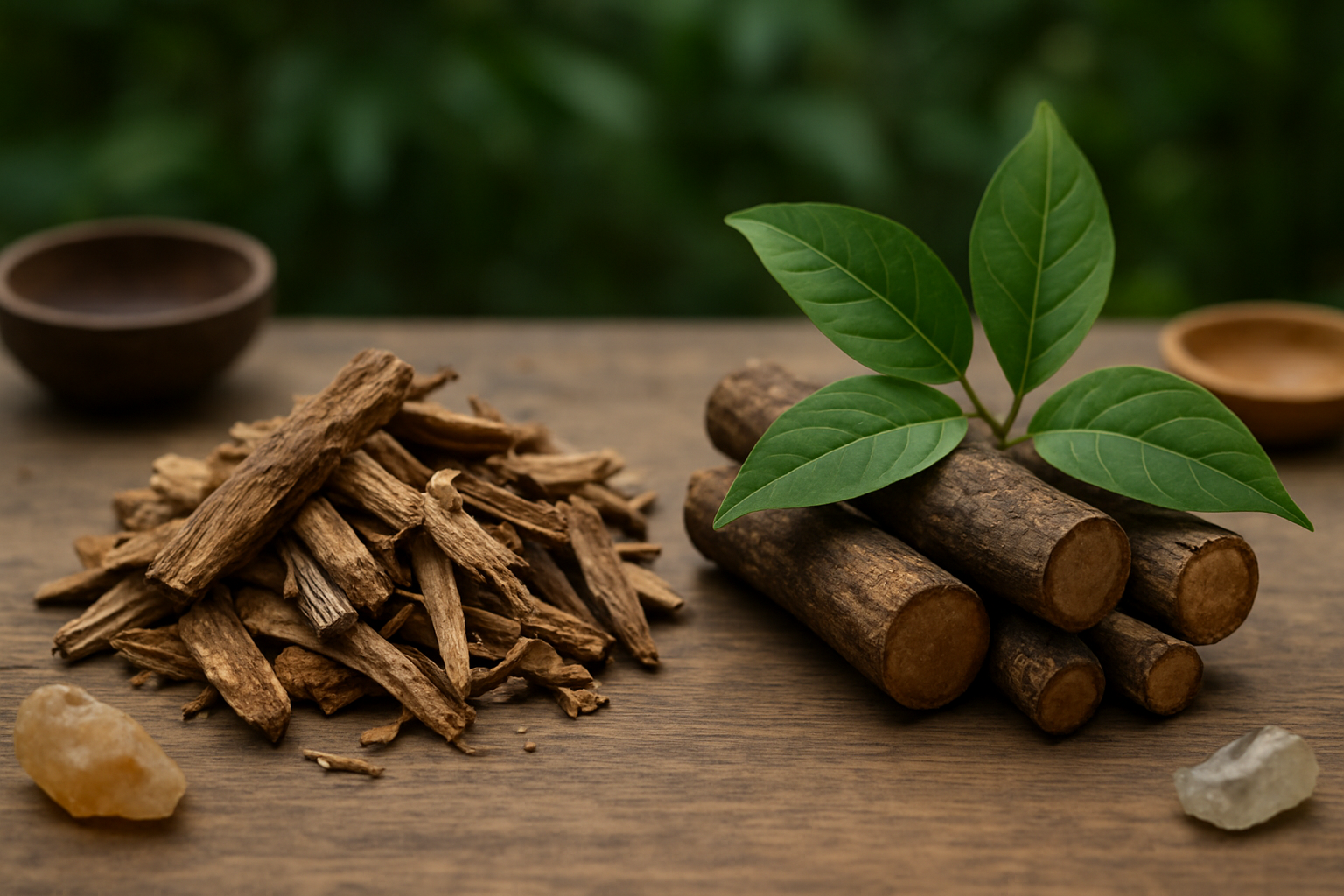
Both ibogaine and ayahuasca offer profound healing potential, but they represent fundamentally different approaches to transformation. Ayahuasca takes you outward into ethereal, cosmic experiences through cryptic visions that may require interpretation, while iboga brings you inward with direct, grounding clarity about your patterns and behaviors. The duration, frequency, dietary requirements, and safety considerations vary significantly between these medicines, making careful consideration essential when choosing your path.
Your decision should be based on your specific needs, health status, and healing goals. If you’re struggling with addiction, particularly opioid dependence, ibogaine’s unique ability to interrupt withdrawal may be transformative – but only under strict medical supervision due to its cardiac risks. For those seeking spiritual exploration and emotional healing through repeated ceremonial work, ayahuasca’s gentler safety profile and rich ceremonial tradition may be more appropriate. Regardless of which medicine calls to you, prioritize working with experienced, reputable providers who understand the cultural significance and medical considerations of these powerful plant teachers.