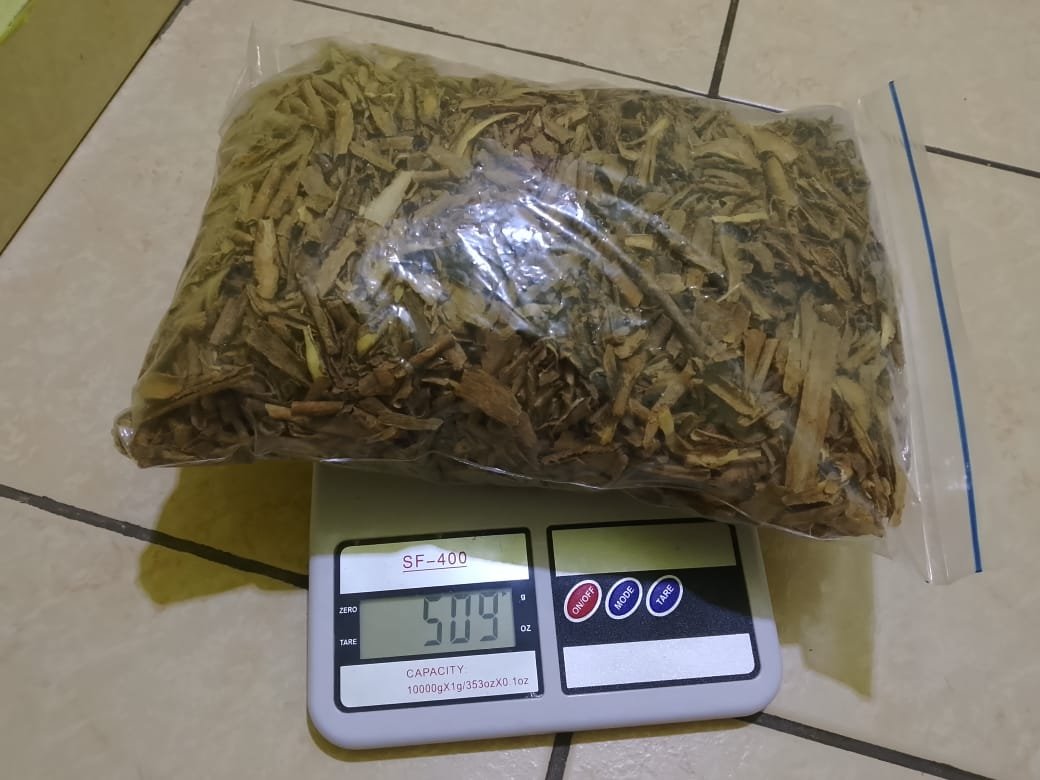
Tabernanthe Iboga Inner Root Bark: Botanical, Cultural, and Safety Overview
Tabernanthe iboga is a perennial shrub native to the rainforests of Central Africa, particularly Gabon and Cameroon. It holds a significant place in traditional indigenous medicine and spiritual practices within the region, while also attracting modern scientific interest due to its unique chemical profile.
Botanical Description and Material Composition
The Tabernanthe iboga plant typically grows as an understory shrub, producing distinctive yellow-orange fruits and white or pink flowers. While the aerial parts of the plant are notable, scientific and cultural attention centers on the root system.
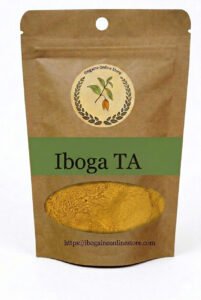
Botanically, the root consists of multiple layers. The outermost layer serves a protective function and contains negligible concentrations of active compounds. Directly beneath this outer layer lies the inner root bark, a yellowish tissue layer where the plant synthesizes and stores its highest concentration of secondary metabolites, specifically indole alkaloids. In academic and traditional contexts, this inner bark layer is studied or utilized separately from the woody core of the root, which consists primarily of dense cellulose fibers.
The Cultural Context: Bwiti Heritage
To understand the historical relevance of Tabernanthe iboga, documentation of the Bwiti tradition in Central Africa is essential. For the Fang, Mitsogo, and other indigenous groups, the plant is not viewed merely as a botanical specimen but as a sacred sacrament and a fundamental component of spiritual and social life.
In traditional Bwiti practices, the root bark serves as the central element in rites of passage, community healing ceremonies, and intensive spiritual initiations. Supervised by traditional spiritual leaders, these ceremonies utilize the material to induce prolonged states of altered consciousness. The experience is culturally described as a tool for ancestral communication, profound psychological reflection, and spiritual realignment.
Alkaloid Profile and Chemical Composition
Phytochemical analysis indicates that Tabernanthe iboga inner root bark contains a complex matrix of at least 11 distinct indole alkaloids. Rather than a single active compound, the raw botanical material exhibits a diverse chemical signature:
- Ibogaine: The most prominent and widely researched alkaloid in the plant, known for its unique interaction with multiple neurotransmitter systems, including opioid, serotonin, and NMDA receptors.
- Ibogamine: A structurally related compound studied for its specific mechanisms within dopamine and serotonin pathways.
- Tabernanthine: An alkaloid that demonstrates distinct pharmacological effects, particularly concerning neuroplasticity and cardiovascular function.
- Secondary Alkaloids: Compounds such as ibogaline and iboxygaine are present in smaller quantities, contributing to the overall pharmacological profile of the raw plant material.
Documented Applications and Scientific Research
Research into the constituents of Tabernanthe iboga spans several distinct areas of interest:
- Neurochemical and Psychological Research: Studies explore how the full alkaloid matrix affects neuroplasticity, memory retrieval, and the processing of deeply rooted emotional distress or psychological trauma.
- Addiction Medicine Studies: While isolated derivatives are primarily utilized in clinical research for substance use disorders, scientific literature documents the historical and contemporary interest in how these alkaloids interact with addiction pathways.
Physical Effects and Physiological Impacts
The ingestion of raw botanical material from Tabernanthe iboga induces severe and intense physical reactions due to the combination of active alkaloids and dense plant matter:
- Gastrointestinal Distress: The consumption of the fibrous bark frequently causes intense nausea and violent vomiting. In traditional contexts, this is often interpreted as a necessary purging process, whereas in medical contexts, it represents acute gastrointestinal irritation.
- Neurological Effects: The primary active components induce significant ataxia, which manifests as a temporary loss of full control over bodily movements, making coordination difficult or impossible during the active phase. This is accompanied by intense, closed-eye visual patterns and complex cognitive shifts.
Crucial Safety and Cardiovascular Risks
Medical literature emphasizes that Tabernanthe iboga and its constituent alkaloids carry substantial health risks, particularly concerning the cardiovascular system. Proper safety protocols and clinical screening are critical before any exposure to these compounds.
- QT Interval Prolongation: The alkaloids present in the bark temporarily block hERG channels in the human heart. This action delays the heart’s electrical repolarization, leading to QT interval prolongation. In vulnerable individuals or at high doses, this can trigger severe, potentially fatal cardiac arrhythmias, such as Torsades de Pointes.
- Pre-existing Conditions: Individuals with congenital long QT syndrome, structural heart disease, or other underlying cardiovascular conditions face extreme risk of sudden cardiac arrest.
To mitigate these hazards, established medical consensus requires comprehensive screening protocols before potential administration in clinical research settings:
- 12-Lead Electrocardiogram (ECG): Utilized to assess baseline cardiac rhythm and measure the corrected QT interval (QTc).
- Liver Function Panel: Essential for evaluating hepatic health, as the alkaloids are metabolized primarily by liver enzymes such as CYP2D6.
- Electrolyte Panel: Verification of optimal potassium and magnesium levels is mandatory, as electrolyte imbalances significantly increase the risk of drug-induced cardiac arrhythmias.
Frequently Asked Questions
Is raw inner root bark safe for acute opioid detoxification?
Clinical guidelines strongly advise against using raw root bark for acute withdrawal management. The high volume of fibrous material and the unpredictable concentrations of multiple alkaloids place severe, dangerous strain on both the cardiovascular and gastrointestinal systems. In authorized clinical research settings focusing on dependency, standardized, isolated compounds are studied rather than raw botanical material.
Clinical guidelines strongly advise against using raw root bark for acute withdrawal management. The high volume of fibrous material and the unpredictable concentrations of multiple alkaloids place severe, dangerous strain on both the cardiovascular and gastrointestinal systems. In authorized clinical research settings focusing on dependency, standardized, isolated compounds are studied rather than raw botanical material.
How does the alkaloid concentration vary between the root layers?
The outer root bark functions primarily as a protective barrier and contains minimal active compounds. The inner root bark contains the highest density of therapeutic and psychoactive alkaloids, while the inner woody core consists mostly of inert cellulose fibers with low alkaloid content.
The outer root bark functions primarily as a protective barrier and contains minimal active compounds. The inner root bark contains the highest density of therapeutic and psychoactive alkaloids, while the inner woody core consists mostly of inert cellulose fibers with low alkaloid content.
Final Considerations
Tabernanthe iboga inner root bark represents a powerful intersection of indigenous tradition and complex ethnopharmacology. Due to the profound physiological effects and documented cardiac risks associated with its alkaloids, any exploration of this material requires strict adherence to medical safety standards, scientific oversight, and a comprehensive understanding of its potential hazards.
Medical Disclaimer: The information provided here is for educational and informational purposes only and does not constitute medical advice. Tabernanthe Iboga compounds possess high potency and carry inherent cardiovascular risks. Medical screening, including ECGs and organ function tests under qualified professional supervision, is essential when dealing with these substances.