Understanding the Alkaloids in Iboga Root Bark
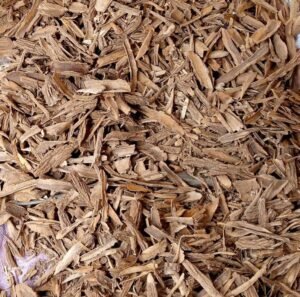
The Tabernanthe iboga plant draws significant attention from scientists and ethnobotanists worldwide. This West African rainforest shrub holds a complex chemical profile. Most of this interest centers on the plant’s root bark, which contains a dense concentration of organic compounds called alkaloids.
In this article, we explore the specific science behind these unique botanical compounds.
What are Indole Alkaloids?
Alkaloids are naturally occurring chemical compounds that contain mostly basic nitrogen atoms. Many plants produce them as a natural defense mechanism against insects and predators.
The Iboga plant specifically produces indole alkaloids. This specific class of compounds interacts directly with neurological systems. Many famous botanical substances share this chemical family, but the specific combination found in Iboga root bark is entirely unique to the region.
The Dominance of Ibogaine
When researchers analyze Iboga root bark, one specific compound stands out. Ibogaine is the most prominent and widely studied alkaloid in the plant.
Scientists isolate this compound to study its complex interactions with the brain. Current research focuses heavily on how ibogaine binds to various receptors. Because of its intense neurological activity, many global health agencies classify ibogaine as a controlled substance.
Secondary Alkaloids in the Root Bark
While ibogaine receives the most media attention, the raw root bark is not a single-compound substance. It features a complex matrix of secondary alkaloids that work together.
Important secondary alkaloids include:
-
- Ibogaline: A compound that shares a very similar molecular structure to ibogaine.
- Ibogamine: Another active alkaloid present in smaller concentrations.
- Tabernanthine: A distinct compound found within the genus Tabernanthe.
Researchers refer to the combination of these elements as the Total Alkaloid (TA) profile. Many scientists believe these secondary compounds modify or support the overall stability of the plant material.
Why Researchers Study Iboga Compounds
Modern laboratories require authentic, pure specimens to conduct accurate testing. Scientists analyze these alkaloids to map their chemical structures and document their stability over time. Ethnobotanists also study how soil quality and sustainable harvesting methods affect the final alkaloid yield in the bark.
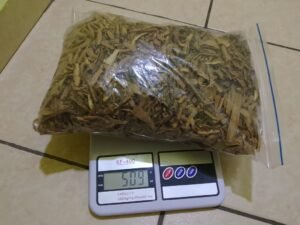
At Ibogaine Online Store, we provide raw botanical specimens exclusively for academic study, laboratory research, and historical documentation.