
Alternative Addiction Treatments

Traditional addiction treatments don’t work for everyone. If you’re struggling with substance use or supporting someone who is, alternative addiction treatments offer promising complementary paths to recovery that address your whole person, not just the addiction.
This guide is for people seeking evidence-based alternatives to standard treatment, family members exploring options for loved ones, and anyone curious about holistic approaches to addiction recovery. Many find these methods particularly helpful when combined with traditional therapy.
We’ll explore acupuncture and Traditional Chinese Medicine for addiction recovery, which studies show can reduce cravings and ease withdrawal symptoms with success rates up to 50%. You’ll also learn about mind-body practices that support recovery, including meditation, yoga, and breathing techniques that help manage stress and build emotional resilience. Finally, we’ll cover herbal remedies for addiction and other natural approaches, plus crucial safety considerations to help you make informed decisions about your care.
These complementary medicine addiction recovery methods work best when integrated thoughtfully with proven treatments, giving you more tools in your recovery toolkit.
Understanding Complementary and Alternative Medicine for Addiction

Complementary and Alternative Medicine (CAM) for addiction recovery encompasses a diverse range of practices and techniques that can improve chances of recovery from substance use disorders, especially when used alongside traditional treatments. These approaches are not meant to replace conventional treatments but rather provide additional tools that enhance various aspects of the patient’s recovery journey.
CAM practices include a variety of evidence-based approaches administered or taught by trained instructors. The most common CAM therapies for addiction treatment are acupuncture and CAM psychotherapies, particularly mindfulness meditation, which have emerged as research hotspots deserving further study. These interventions have shown promise in decreasing substance use disorder relapse and reducing substance-related injuries.
The comprehensive scope of alternative addiction treatment options includes:
-
Acupuncture (including auricular and electroacupuncture)
-
Mind-body therapies such as mindfulness meditation and yoga
-
Movement therapies including tai chi, qi gong, Pilates, and Feldenkrais method
-
Relaxation techniques and guided imagery
-
Energy medicine approaches like Reiki and therapeutic touch
-
Manual therapies such as massage and spinal manipulation
-
Psychological interventions including hypnotherapy and biofeedback
Natural Products vs Mind and Body Practices
The CAM landscape for addiction recovery can be broadly categorized into two primary domains: natural products and mind-body practices. Mind-body practices represent the most extensively studied and widely implemented category in addiction treatment settings.
Mind-body therapies form the cornerstone of complementary medicine addiction recovery, encompassing techniques that train individuals to consciously regulate bodily functions and mental states. Mindfulness meditation, as a leading mind-body practice, helps train the mind in nonjudgmental attention to present-moment experiences, involving bringing awareness to thoughts, emotions, and sensations with acceptance and observation.
Key mind-body practices include:
-
Mindfulness-based interventions with proven efficacy for mental health and physical conditions
-
Transcendental meditation utilizing mantra repetition techniques
-
Yoga practices in various styles (Hatha, Vinyasa, Ashtanga) combining movement with breathwork
-
Qi gong integrating mental focus, deep breathing, and gentle movements
-
Biofeedback therapy teaching conscious regulation of bodily functions
Natural products in addiction treatment include herbal remedies for addiction and other botanical interventions, though research evidence for these approaches remains more limited compared to mind-body practices.
Integrative Treatment Philosophy
The integrative treatment philosophy underlying CAM addiction treatment emphasizes that complementary approaches provide additional tools to enhance recovery rather than serving as standalone solutions. This philosophy recognizes that traditional treatments remain essential for developing and maintaining solid recovery, including addressing co-occurring physical or mental health conditions, improving relapse prevention strategies, and rebuilding life areas affected by substance use.
Holistic addiction treatment through CAM integration offers several therapeutic benefits:
-
Enhanced self-care practices vital to substance use disorder recovery
-
Improved coping mechanisms for daily challenges and stressors
-
Support for the natural healing process in addiction recovery
-
Stress reduction and tension relief, known relapse risk factors
The evidence supporting traditional Chinese medicine addiction treatments, particularly acupuncture for addiction, demonstrates confirmed effects on substance use disorders, including alleviating withdrawal symptoms and reducing substance-seeking behaviors. Mindfulness-based relapse prevention has emerged as an effective and safe intervention specifically developed for patients with substance use disorders.
Research indicates that mind-body addiction therapy approaches show particular promise for conditions commonly experienced by individuals in recovery, including depression, anxiety, pain, and stress-related disorders. The integrative philosophy emphasizes that while conclusive evidence for specific CAM practices may still be developing, patient interest and motivation to pursue safe, appropriately administered complementary therapies can be beneficial, as some individuals find these practices extremely helpful for their recovery journey.
This comprehensive approach to alternative therapy addiction treatment recognizes that recovery is multifaceted, requiring attention to physical, mental, emotional, and spiritual dimensions of healing.
Acupuncture and Traditional Chinese Medicine for Addiction Recovery
How Acupuncture Treats Addiction Through Qi Balance
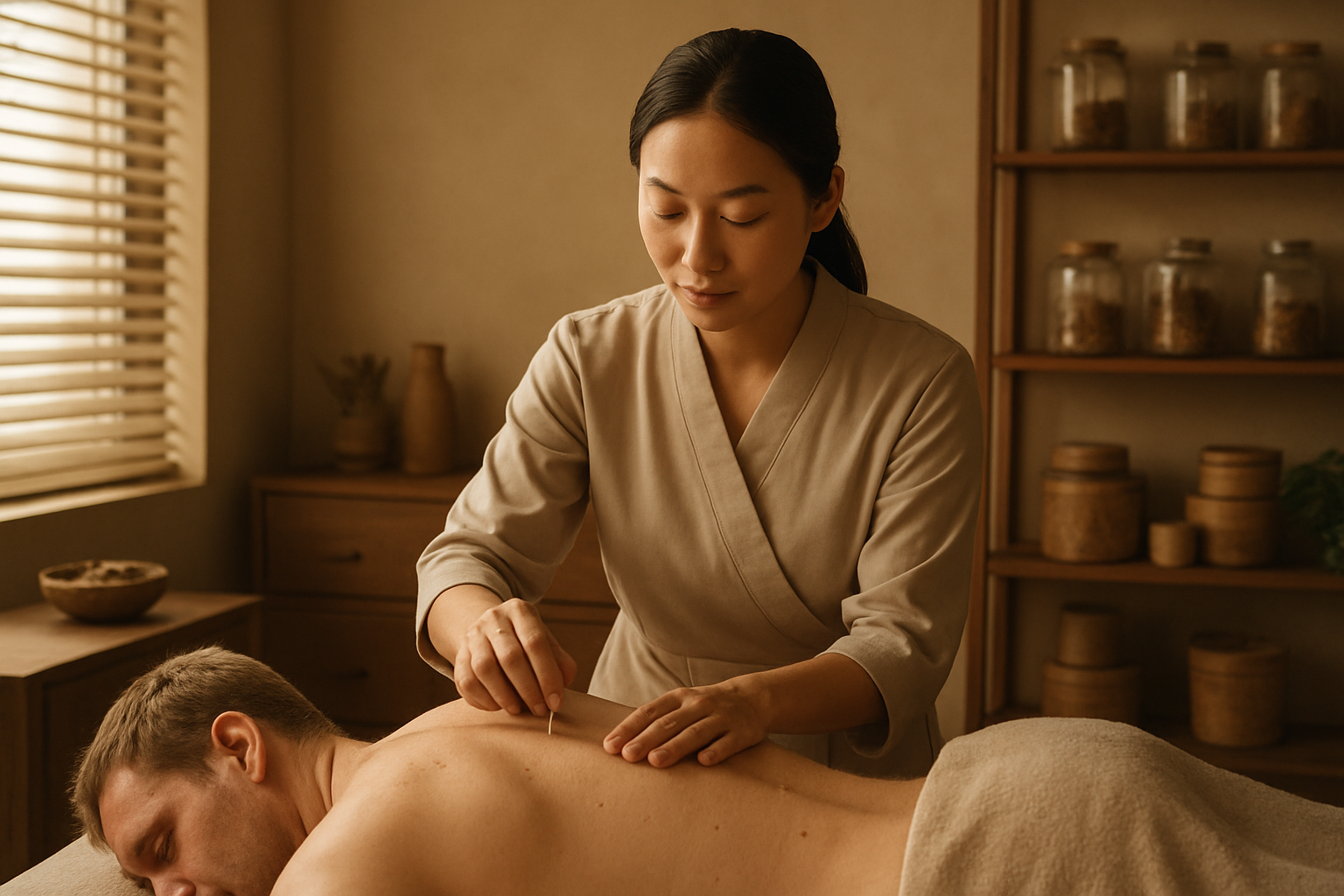
Acupuncture for addiction recovery operates through specific neurobiological mechanisms that regulate the body’s natural balance. Traditional Chinese medicine addiction treatment works by modulating neurotransmitters involved in drug craving through direct activation of brain pathways. Research demonstrates that acupuncture produces prominent effects by increasing levels of enkephalin, epinephrine, endorphins, serotonin, norepinephrine, and dopamine in the central nervous system and plasma – all critical neurotransmitters that mediate substance abuse effects.
The therapeutic approach normalizes dysfunctions of the mesolimbic dopamine pathway, which plays a central role in addiction. This alternative addiction treatment demonstrates a bidirectional regulatory effect, correcting both hyper-reactivity and hypoactivity of the mesolimbic dopamine system that occurs during different phases of drug addiction. The somatosensory afferent mechanisms activated during acupuncture sessions help reduce relapse to drug-seeking behavior by restoring proper neurotransmitter balance.
Acupuncture therapy can be administered using manual needles or electroacupuncture, which involves mild electrical stimulation of specific acupoints. Extended methods may include acupressure and laser therapy, providing flexibility in treatment approaches for different patient needs.
Auriculotherapy for Ear-Based Addiction Treatment
Auricular acupuncture (AA) represents a specialized form of complementary medicine addiction recovery that has gained significant recognition in both Europe and the United States for treating alcohol and drug abuse. The National Acupuncture Detoxification Association (NADA) protocol, finalized by Dr. M. Smith in 1985, is now practiced in over 250 hospitals across the UK and US, demonstrating the widespread acceptance of this ear-based addiction treatment approach.
The NADA protocol received important updates with the latest modification developed in 2005 by Dr. Ji Sheng from Peking University, Beijing, China. This refinement has contributed to the current implementation of acupuncture as an adjunctive procedure in more than 700 addiction treatment centers worldwide.
The effectiveness of auriculotherapy lies in its ability to target specific ear points that correspond to different organ systems and neurotransmitter pathways involved in addiction. This targeted approach allows practitioners to address withdrawal symptoms, cravings, and the underlying neurochemical imbalances associated with substance abuse through precise stimulation of auricular acupoints.
Success Rates with Alcohol, Cocaine, and Opioid Addictions
Clinical research on acupuncture effectiveness for specific substance dependencies reveals mixed but promising results across different addiction types. Studies on cocaine dependence showed initial encouraging outcomes, with early research by Avants (2000) demonstrating positive effects. However, subsequent clinical trials, including those by Margolin (2002, 2005), produced inconsistent results, highlighting the complexity of treating cocaine addiction with this holistic addiction treatment approach.
For opioid dependence, acupuncture at specific points including Hegu (LI4), Neiguan (PC6), Shenmen (HT7), Taichong (LR3), Zusanli (ST36), Dazhui (DU14), and Baihui (DU20) demonstrated reduced withdrawal severity. Functional MRI studies revealed hypothalamus activation during acupuncture treatment, providing neurological evidence for its effectiveness. Electroacupuncture at 2 Hz frequency at Zusanli (ST36) and Sanyinjiao (SP6) has been shown to modulate brain activity related to craving and withdrawal symptoms.
Alcohol dependence studies present conflicting results, with some trials indicating no significant effect while others show benefits when used as adjunct therapy. Electroacupuncture can modulate neural activity in reward pathways, including the striatum and nucleus accumbens, potentially reducing alcohol intake by impacting dopamine and serotonin neurotransmitter systems.
Despite varying clinical trial results due to differences in protocols, acupoints, treatment duration, and methodology, the widespread adoption in clinical practice suggests that traditional Chinese medicine addiction treatment continues to show promise as part of comprehensive addiction recovery programs.
Mind-Body Practices That Support Recovery

Meditation and Mindfulness for Craving Management
Mind-body practices offer powerful tools for individuals in addiction recovery, with meditation and mindfulness emerging as particularly effective approaches for managing cravings. These practices work by developing self-awareness and teaching individuals to observe their thoughts and sensations without immediately reacting to them.
Meditation techniques help create space between the urge to use substances and the actual behavior, allowing individuals to make conscious choices rather than responding automatically to cravings. Research demonstrates that regular meditation practice can reduce perceived stress and anxiety while improving mental clarity – key factors in maintaining sobriety. By cultivating mindfulness, individuals learn to notice early warning signs of cravings and implement coping strategies before the urge becomes overwhelming.
The practice of mindful awareness teaches people to observe their cravings as temporary experiences that will pass, rather than urgent demands that must be satisfied. This shift in perspective can significantly reduce the power that cravings hold over behavior. Additionally, meditation helps regulate emotions and provides healthy coping mechanisms for dealing with stress, anxiety, and other triggers that commonly lead to substance use.
Yoga Benefits for Withdrawal and Long-term Recovery
Yoga represents one of the most well-researched mind-body practices for addiction recovery, offering comprehensive benefits for both acute withdrawal management and long-term sobriety maintenance. As a holistic practice combining physical postures (asanas), breathing techniques (pranayama), and meditation, yoga addresses multiple aspects of addiction simultaneously.
During the withdrawal phase, yoga helps manage physical discomfort and emotional distress through stress reduction and improved emotional regulation. The practice promotes better sleep quality, increases energy levels, and reduces fatigue – common challenges during early recovery. Yoga’s emphasis on breath work is particularly beneficial, as controlled breathing exercises can immediately reduce anxiety and craving intensity.
For long-term recovery, yoga offers numerous advantages including increased physical stamina and strength, enhanced self-awareness, and improved self-confidence. The practice cultivates mindfulness and self-control while strengthening the mind-body connection, providing individuals with healthy coping mechanisms they can use throughout their recovery journey.
Research indicates that yoga may help balance brain and body functions that are impacted by substance use, potentially supporting natural healing processes. Studies have shown particular effectiveness in nicotine-use disorders, with participants reporting reduced cravings and improved motivation to quit. The majority of studies demonstrate positive effects on self-reported abstinence rates and various craving measures, though sustained long-term effects require further research.
The self-awareness developed through yoga practice helps individuals recognize how different situations and emotions affect them, creating opportunities for conscious choice-making rather than automatic reactive patterns. This heightened awareness becomes a crucial tool in relapse prevention strategies.
Tai Chi and Qigong for Enhanced Self-Awareness
Tai Chi and Qigong represent ancient Chinese movement practices that combine gentle physical movements with breath work and meditation to enhance self-awareness and promote overall well-being. These practices are particularly valuable in addiction recovery as they develop the mind-body connection essential for recognizing triggers and managing cravings effectively.
Both Tai Chi and Qigong emphasize slow, deliberate movements coordinated with conscious breathing, which helps calm the nervous system and reduce stress responses. This gentle approach makes these practices accessible to individuals at various fitness levels and stages of recovery, including those dealing with physical limitations from substance use.
The meditative aspects of these practices cultivate present-moment awareness, teaching practitioners to observe their thoughts, emotions, and physical sensations without judgment. This enhanced self-awareness becomes a powerful tool for recognizing early warning signs of potential relapse and implementing appropriate coping strategies.
Regular practice of Tai Chi or Qigong can improve emotional regulation, reduce anxiety, and increase overall sense of well-being. The flowing movements and focus on breath work provide healthy outlets for stress and tension, replacing previous patterns of substance use as coping mechanisms. These practices also foster a sense of inner peace and centeredness that supports long-term recovery goals.
The group setting often associated with Tai Chi and Qigong classes can provide additional social support and community connection, addressing the isolation that many individuals experience during recovery. The non-competitive nature of these practices creates a safe environment for personal growth and healing.