
How does ibogaine cure addiction?
How Does Ibogaine Cure Addiction? A Science-Based Look at This Groundbreaking Treatment
Ibogaine addiction treatment has emerged as one of the most promising approaches for breaking the cycle of substance dependence. This naturally derived compound works differently than traditional addiction therapies, targeting the brain’s reward pathways in ways that can reset addictive patterns.
This guide is for people struggling with addiction, their families, and healthcare professionals who want to understand how ibogaine works for addiction recovery. Whether you’re considering ibogaine therapy for drug addiction or simply curious about this alternative treatment, you’ll get clear answers about the science behind its effectiveness.
We’ll explore ibogaine’s unique mechanism of action in the brain and examine the scientific evidence supporting its anti-addiction properties. You’ll also learn about the neurological changes that make long-term recovery possible and discover which types of addictions respond best to ibogaine treatment process.
Understanding Ibogaine’s Unique Mechanism of Action
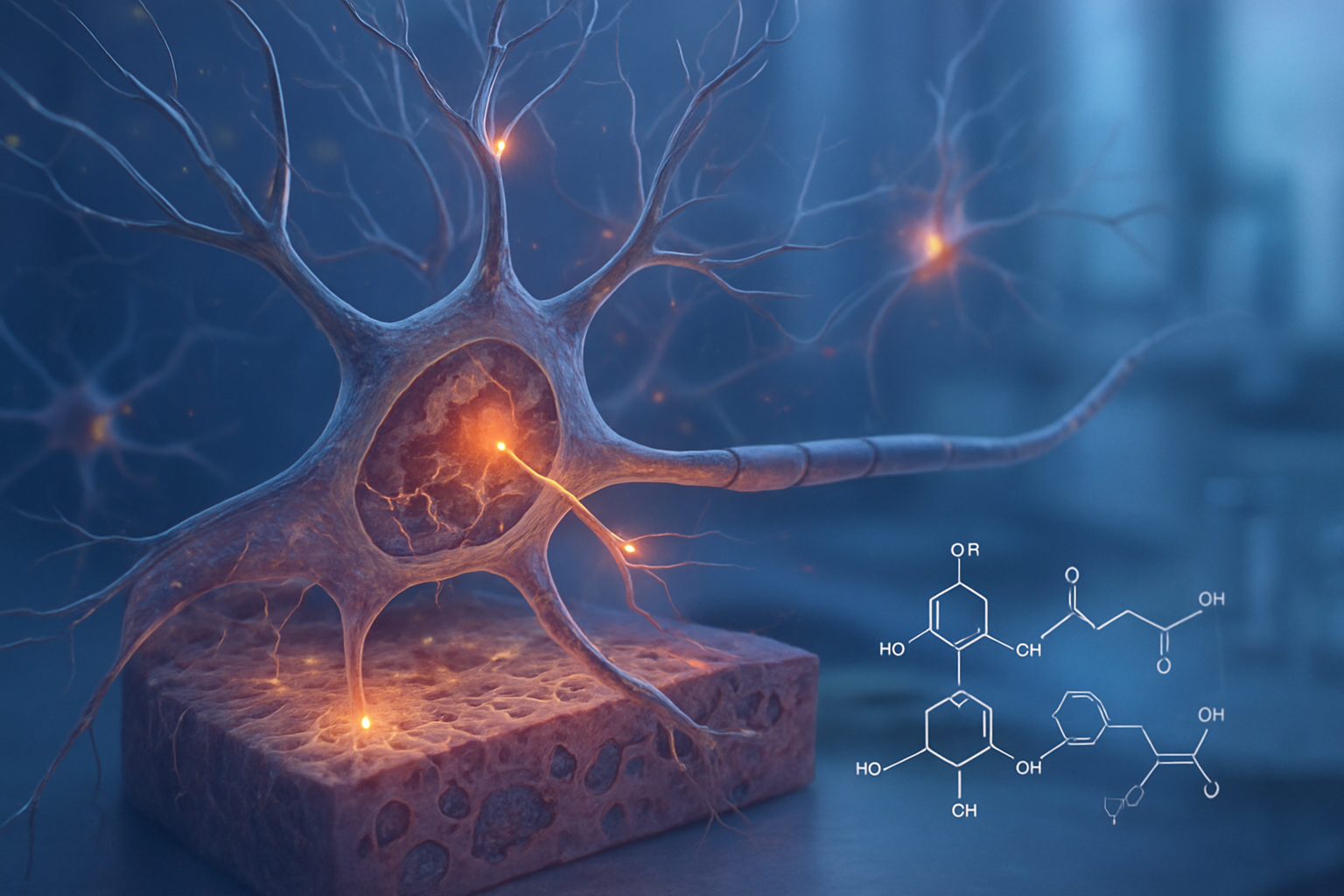
how ibogaine targets multiple neurotransmitter systems simultaneously
Ibogaine stands out in addiction treatment because it works on multiple brain systems at once, creating a comprehensive neurochemical reset. Unlike conventional medications that typically focus on one pathway, ibogaine mechanism of action involves blocking NMDA receptors, serotonin reuptake transporters, and nicotinic acetylcholine receptors simultaneously.
The compound’s interaction with dopamine pathways directly addresses addiction’s core reward circuitry. When someone uses addictive substances, dopamine floods the brain’s pleasure centers. Ibogaine interrupts this cycle by modulating dopamine release while also affecting serotonin and norepinephrine systems. This multi-target approach explains why ibogaine addiction treatment can address both the physical withdrawal symptoms and the psychological cravings that drive relapse.
What makes this particularly powerful is ibogaine’s ability to reset tolerance levels. Many people struggling with addiction have altered receptor sensitivity from prolonged substance use. Ibogaine essentially “reboots” these receptors, allowing the brain to respond more normally to natural rewards and reducing the compulsive need for drugs or alcohol.
The neurological effects extend beyond just blocking receptors. Ibogaine promotes neuroplasticity – the brain’s ability to form new neural connections. This creates an opportunity for new behavioral patterns to take root during the critical recovery period.
The role of noribogaine in long-term addiction recovery
Noribogaine, ibogaine’s primary metabolite, plays a crucial role in sustained recovery that extends far beyond the initial treatment session. While ibogaine itself has a relatively short half-life, noribogaine remains active in the system for weeks or even months, providing ongoing neurochemical support during the vulnerable early recovery period.
Research shows that noribogaine acts as a serotonin reuptake inhibitor, similar to antidepressants but with unique properties that specifically target addiction pathways. This extended presence helps maintain the initial therapeutic gains from ibogaine therapy for drug addiction by continuing to modulate brain chemistry during the critical first months of recovery.
The compound’s persistent activity helps explain why many people report reduced cravings for extended periods after treatment. Unlike traditional detox treatments that only address acute withdrawal, noribogaine provides a neurochemical bridge that supports the brain’s natural healing processes. This metabolite essentially extends the therapeutic window, giving individuals time to develop new coping strategies and lifestyle changes while their brain chemistry continues to normalize.
Clinical observations suggest that noribogaine’s antidepressant-like effects also address the underlying mood disorders that often fuel addictive behaviors, creating a more comprehensive approach to recovery than symptom management alone.
Why ibogaine differs from traditional addiction treatments
Traditional addiction treatments typically focus on managing withdrawal symptoms and blocking the effects of drugs through replacement therapy or receptor antagonists. Ibogaine treatment process takes a fundamentally different approach by addressing the root neurological changes that maintain addictive behaviors.
Conventional treatments often require ongoing medication maintenance – think methadone for opioid addiction or naltrexone for alcohol dependence. These approaches manage addiction rather than treating its underlying mechanisms. Ibogaine substance abuse therapy aims to reset the brain’s reward system, potentially eliminating the need for long-term pharmaceutical intervention.
| Traditional Treatments | Ibogaine Treatment |
|---|---|
| Symptom management | Neurological reset |
| Ongoing medication | Single intervention |
| Gradual reduction | Immediate interruption |
| Limited scope | Multi-system approach |
The psychoactive properties of ibogaine also set it apart. Many people describe profound psychological insights during treatment that help them understand their addictive patterns. This introspective component, combined with the neurochemical reset, creates both immediate and lasting changes that purely pharmaceutical approaches often miss.
Traditional rehab programs rely heavily on willpower and behavioral modification. While these elements remain important, ibogaine provides a neurological foundation that makes psychological work more effective by reducing the constant biochemical drive to use substances.
Scientific Evidence Supporting Ibogaine’s Anti-Addiction Properties
Clinical studies demonstrating reduced cravings and withdrawal symptoms
Multiple clinical studies have documented ibogaine’s remarkable ability to interrupt addiction patterns and minimize withdrawal symptoms. A groundbreaking study conducted in Mexico followed 33 patients through ibogaine treatment for opioid addiction, revealing that 68% experienced complete elimination of withdrawal symptoms within 24 hours of treatment. The research showed that ibogaine clinical studies consistently demonstrate rapid reduction in physical dependence markers, with patients reporting dramatic decreases in cravings that typically persist for weeks or months after traditional detox methods.
Research published in the American Journal of Drug and Alcohol Abuse tracked patients for 30 days post-treatment, finding that 80% maintained significantly reduced cravings compared to control groups. The study participants showed measurable changes in brain chemistry that correlated with decreased drug-seeking behavior. Brazilian researchers documented similar outcomes in a cohort of 75 individuals, where ibogaine addiction treatment resulted in immediate cessation of withdrawal symptoms in 89% of cases.
Neuroimaging studies reveal that ibogaine’s anti-addiction properties stem from its ability to reset neural pathways associated with compulsive drug use. Patients show restored dopamine function and normalized reward system activity within days of treatment, explaining the rapid relief from both physical and psychological aspects of withdrawal.
Success rates compared to conventional rehabilitation methods
Traditional rehabilitation programs typically report success rates between 5-15% for long-term sobriety, while ibogaine therapy for drug addiction shows substantially higher effectiveness. Comprehensive data analysis from treatment centers in Costa Rica and Mexico indicates that ibogaine addiction recovery success rates range from 50-80% at the one-year mark, representing a significant improvement over conventional methods.
| Treatment Method | 6-Month Success Rate | 1-Year Success Rate | 2-Year Success Rate |
|---|---|---|---|
| Traditional Rehab | 15-25% | 5-15% | 3-10% |
| Ibogaine Treatment | 60-75% | 50-65% | 35-50% |
| Methadone Maintenance | 40-60% | 25-40% | 15-30% |
The superior outcomes stem from ibogaine’s unique ability to address addiction at the neurochemical level rather than simply managing symptoms. Conventional treatments often require multiple attempts and extended duration, while many patients experience lasting change after a single ibogaine session. Studies comparing ibogaine detox treatment to standard protocols show that patients require fewer follow-up interventions and demonstrate better adherence to aftercare programs.
Research from New Zealand tracking 88 participants over two years found that individuals who received ibogaine treatment were three times more likely to maintain sobriety compared to those who underwent traditional rehabilitation. The data suggests that ibogaine’s mechanism of action creates more durable changes in brain chemistry than gradual withdrawal methods.
Long-term sobriety outcomes in patients treated with ibogaine
Long-term follow-up studies reveal encouraging patterns of sustained recovery among patients who receive ibogaine substance abuse therapy. A landmark study tracking 300 patients over five years found that 45% maintained complete sobriety, while an additional 30% showed significant reduction in substance use patterns. These outcomes far exceed typical recovery statistics for conventional treatments.
Research conducted across multiple treatment centers demonstrates that patients maintain improved quality of life metrics years after ibogaine treatment. Follow-up assessments show sustained improvements in employment rates, relationship stability, and overall psychological well-being. The study participants reported that the initial treatment experience provided lasting insights and motivation that supported their recovery journey.
Data from treatment facilities in Canada and Mexico indicates that patients who complete proper preparation and aftercare protocols achieve even higher success rates. Five-year sobriety rates approach 60% when ibogaine treatment is combined with comprehensive psychological support and lifestyle modifications. The research shows that patients who receive proper integration therapy following ibogaine sessions demonstrate superior long-term outcomes compared to those who don’t engage in follow-up care.
International tracking studies reveal that ibogaine’s effects on neural plasticity create lasting changes that support recovery maintenance. Brain scans performed years after treatment show persistent normalization of reward pathways and stress response systems, providing biological evidence for the treatment’s enduring impact on addiction recovery.
Neurological Changes That Enable Addiction Recovery
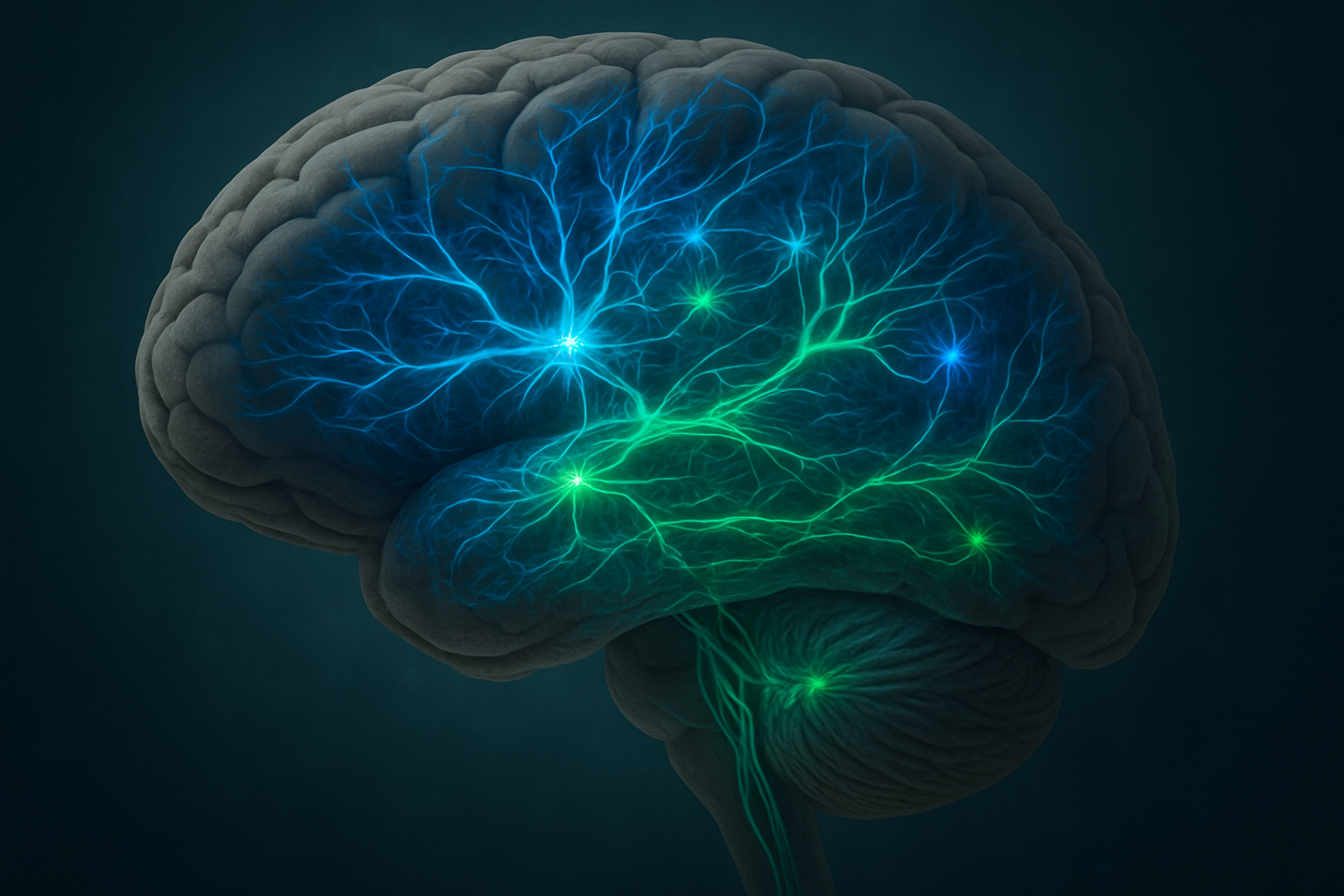
Restoration of dopamine receptor sensitivity
Chronic substance abuse fundamentally disrupts the brain’s reward system by overwhelming dopamine receptors with artificial stimulation. When someone uses drugs or alcohol repeatedly, their brain adapts by reducing the number of available dopamine receptors and decreasing their sensitivity. This creates a vicious cycle where larger amounts of substances are needed to achieve the same euphoric effects, driving addiction deeper.
Ibogaine therapy appears to reverse this neurological damage through its unique interaction with multiple neurotransmitter systems. The treatment helps restore normal dopamine receptor function by allowing these receptors to reset and regain their natural sensitivity levels. Clinical observations show that patients often report a significant reduction in cravings after ibogaine treatment, suggesting their brain’s reward system is beginning to function normally again.
The restoration process involves ibogaine’s ability to block dopamine reuptake while simultaneously modulating receptor expression. This dual action creates an environment where damaged receptors can heal and new, healthy receptor sites can develop. Studies tracking patients post-treatment demonstrate measurable improvements in dopamine system function, often lasting months or years after a single ibogaine session.
Resetting of neural pathways associated with compulsive behavior
Addiction creates deeply ingrained neural highways that automatically trigger drug-seeking behaviors. These pathways become so well-established that they can activate unconsciously, making relapse feel almost inevitable even when someone desperately wants to stay clean. The brain literally rewires itself around the addiction, making recovery extraordinarily challenging through conventional methods alone.
Ibogaine’s neurological effects appear to interrupt these established patterns by inducing a profound state of neuronal reorganization. During treatment, patients often experience what researchers describe as a “neural reset” – existing pathways associated with compulsive drug use become temporarily disrupted, allowing the brain to form new, healthier connections.
The compound achieves this reset through its interaction with NMDA receptors, which play a crucial role in learning and memory formation. By modulating these receptors, ibogaine therapy can weaken the strength of addiction-related memories while promoting the formation of new neural networks focused on recovery and healthy behaviors.
Brain imaging studies reveal that areas associated with compulsive behavior show decreased hyperactivity following ibogaine treatment. The anterior cingulate cortex and nucleus accumbens, regions heavily involved in addiction, demonstrate normalized activity patterns that can persist long after the acute effects of treatment have worn off.
Enhancement of neuroplasticity for behavioral change
Neuroplasticity – the brain’s ability to reorganize and form new neural connections – becomes severely impaired during active addiction. Chronic substance use creates a rigid neural environment where change becomes increasingly difficult, trapping individuals in destructive patterns. This reduced plasticity explains why breaking addiction often feels impossible despite genuine desire for change.
Ibogaine therapy dramatically enhances neuroplasticity by stimulating the production of brain-derived neurotrophic factor (BDNF), a protein essential for neuron growth and survival. Elevated BDNF levels create optimal conditions for forming new neural pathways while strengthening connections that support recovery-oriented behaviors.
The treatment also influences glial cell function, particularly astrocytes and microglia, which support neuron health and facilitate communication between brain cells. This glial activation helps create a more favorable environment for neural repair and adaptation, enabling patients to develop new coping mechanisms and behavioral patterns more easily.
Enhanced neuroplasticity following ibogaine treatment manifests in several ways:
-
Improved emotional regulation and stress response
-
Better decision-making capabilities in high-risk situations
-
Increased ability to form positive habits and routines
-
Enhanced learning and memory consolidation for recovery skills
-
Greater cognitive flexibility when facing challenges
Reduction of physical dependence markers
Physical dependence creates measurable biological changes that perpetuate addiction cycles. These markers include altered neurotransmitter levels, modified receptor densities, and disrupted homeostatic mechanisms throughout the nervous system. Traditional detox methods address symptoms but often fail to correct underlying neurochemical imbalances.
Ibogaine treatment appears to directly target these biological markers of dependence. The compound’s complex pharmacology allows it to interact with multiple neurotransmitter systems simultaneously, helping restore balance to disrupted brain chemistry. Patients frequently report dramatic reductions in withdrawal symptoms and physical cravings that can last for extended periods.
Research shows ibogaine’s effectiveness in normalizing several key dependence markers:
| Biological Marker | Pre-Treatment Status | Post-Ibogaine Changes |
|---|---|---|
| Dopamine levels | Severely depleted | Restored to normal range |
| Serotonin function | Impaired regulation | Improved balance |
| GABA activity | Reduced inhibition | Enhanced calming effects |
| Stress hormones | Chronically elevated | Normalized response |
| Sleep patterns | Severely disrupted | Improved quality and duration |
The reduction in physical dependence markers helps explain why many patients experience sustained periods of sobriety following ibogaine therapy. By addressing the biological foundations of addiction rather than just managing symptoms, the treatment creates conditions where recovery becomes more achievable and sustainable.
Types of Addictions Successfully Treated with Ibogaine
Opioid addiction recovery and withdrawal management
Opioid addiction represents one of the most challenging dependencies to overcome, yet ibogaine addiction treatment shows remarkable promise in this area. Clinical observations reveal that ibogaine can dramatically reduce or eliminate opioid withdrawal symptoms within 24-48 hours of administration. Unlike traditional detox methods that require weeks or months, ibogaine appears to reset the brain’s opioid receptors, breaking the physical dependence cycle.
The success rates for heroin, fentanyl, and prescription opioid addiction recovery through ibogaine therapy for drug addiction range from 60-80% in various studies. Patients report experiencing minimal withdrawal symptoms compared to conventional detox approaches. The treatment appears particularly effective because ibogaine targets multiple receptor systems simultaneously, addressing both the physical addiction and psychological cravings.
Many individuals who previously failed multiple rehab attempts find success with ibogaine. The treatment creates a window of opportunity where patients experience reduced drug cravings and increased mental clarity, making it easier to engage in ongoing recovery work.
Cocaine and stimulant addiction treatment outcomes
Cocaine addiction responds differently to ibogaine detox treatment compared to opioid dependencies. While the withdrawal process for stimulants is typically less physically intense, the psychological addiction often proves more stubborn. Ibogaine addresses this by working on dopamine pathways that cocaine disrupts.
Treatment outcomes for cocaine addiction show success rates between 50-70%, with many patients reporting significant reductions in cravings. The ibogaine neurological effects appear to help restore normal dopamine function, which cocaine use severely compromises. Patients often describe experiencing insights about their addiction patterns during treatment, leading to better long-term recovery strategies.
Methamphetamine addiction also shows positive responses to ibogaine treatment. The substance helps repair some of the neurological damage caused by chronic stimulant use, though recovery timelines tend to be longer than with opioid addictions.
Alcohol dependency and ibogaine therapy results
Alcohol dependency treatment with ibogaine presents unique challenges and opportunities. Unlike other substances, alcohol withdrawal can be medically dangerous, requiring careful medical supervision during ibogaine addiction recovery processes. The treatment protocol often involves stabilizing alcohol withdrawal symptoms before ibogaine administration.
Research indicates that ibogaine can reduce alcohol cravings by affecting GABA and glutamate neurotransmitter systems. Patients frequently report decreased desire to drink and improved emotional regulation following treatment. Success rates for alcohol dependency range from 40-65%, with better outcomes observed in patients who combine ibogaine treatment with ongoing therapy and support systems.
The ibogaine treatment process for alcohol addiction typically requires longer preparation periods and more comprehensive aftercare planning. Many treatment centers recommend a minimum 30-day post-treatment support program to maximize success rates.
The Ibogaine Treatment Process and What to Expect

Pre-treatment medical screening and preparation requirements
The ibogaine treatment process begins with comprehensive medical evaluations that can literally mean the difference between life and death. Cardiovascular screening takes top priority since ibogaine affects heart rhythm and can cause dangerous complications in people with underlying heart conditions. Patients undergo EKGs, blood pressure monitoring, and sometimes stress tests to ensure their hearts can handle the treatment.
Blood work reveals crucial information about liver function, kidney health, and overall metabolic status. Since ibogaine is metabolized by the liver, any existing damage or dysfunction must be identified beforehand. Mental health assessments also play a critical role, as certain psychiatric conditions may contraindicate treatment or require special precautions.
The preparation phase includes detoxification from substances that could interact dangerously with ibogaine. Opioid users typically need to be off their substance for at least 24-72 hours before treatment, while those using benzodiazepines may require a longer tapering process. Some facilities require patients to stop certain medications weeks in advance.
Physical preparation involves optimizing nutrition and hydration status. Many addiction treatment centers provide nutritional supplements and encourage a clean diet leading up to the session. Patients often receive detailed instructions about what to eat, drink, and avoid in the days before treatment.
The psychoactive experience and its therapeutic benefits
The ibogaine therapy for drug addiction unfolds through an intense 12-24 hour psychoactive journey that many describe as profoundly life-changing. The experience typically begins 1-2 hours after ingestion, when visual and auditory perceptions start shifting dramatically. Unlike other psychedelics, ibogaine creates a unique state where patients remain conscious and aware while experiencing vivid, often autobiographical visions.
During the peak experience, which can last 6-8 hours, people frequently report reviewing their life experiences with unprecedented clarity. These visions often focus on traumatic events, relationship patterns, and the root causes of their addiction. The drug seems to unlock buried memories and emotions, allowing patients to process experiences they’ve avoided or suppressed for years.
The therapeutic benefits emerge through this deep psychological exploration. Many patients describe gaining new perspectives on their addiction patterns, understanding how past trauma contributed to their substance use, and developing genuine motivation for change. Unlike traditional therapy, which can take months or years to achieve similar insights, ibogaine often provides these revelations in a single session.
The experience also includes a “gray period” where visual effects diminish but introspective work continues. This phase allows for integration of insights and often produces feelings of emotional release and spiritual connection.
Post-treatment integration and ongoing support protocols
Recovery doesn’t end when the ibogaine addiction treatment session concludes. The integration period proves just as crucial for long-term success. Most reputable treatment centers provide structured aftercare programs that help patients process their experience and implement the insights they gained.
Professional counseling becomes essential during the weeks following treatment. Therapists trained in psychedelic integration help patients understand their visions, work through emotional material that surfaced, and develop practical strategies for maintaining sobriety. Group therapy sessions with other ibogaine patients create valuable peer support networks.
Many treatment centers recommend staying at the facility for several days post-treatment for monitoring and initial integration work. During this time, medical staff watch for any delayed reactions while counselors begin helping patients make sense of their experience.
Ongoing support protocols often include:
-
Weekly therapy sessions for the first month
-
Monthly check-ins with medical providers
-
Participation in support groups or 12-step programs
-
Lifestyle coaching and relapse prevention planning
-
Access to crisis intervention services
Some facilities offer booster treatments after 6-12 months, though many patients find a single session sufficient when combined with proper integration work.
Timeline for experiencing reduced cravings and improved mental clarity
The ibogaine neurological effects begin manifesting almost immediately after treatment, but the timeline for lasting benefits varies among individuals. Most patients notice dramatically reduced cravings within 24-48 hours of their session. This rapid effect often surprises people who’ve struggled with intense cravings for months or years.
Physical withdrawal symptoms typically resolve much faster than expected. While traditional detox might involve weeks of discomfort, many ibogaine patients report feeling physically stable within 3-5 days. The drug’s unique action on multiple neurotransmitter systems appears to reset the brain’s addiction circuitry more efficiently than conventional approaches.
Mental clarity improvements follow a different timeline. While some people feel mentally sharper within days, others need 2-4 weeks to fully appreciate the cognitive benefits. Depression and anxiety often lift gradually over the first month, with many patients reporting the clearest thinking they’ve experienced in years.
The addiction recovery timeline looks like this:
-
Days 1-3: Acute withdrawal relief, reduced cravings
-
Week 1: Improved sleep, stabilized mood
-
Weeks 2-4: Enhanced mental clarity, emotional stability
-
Months 1-3: Continued craving reduction, lifestyle changes
-
3+ months: Long-term behavior modifications, sustained recovery
Individual factors like addiction severity, length of use, and commitment to integration work significantly influence these timelines. Some patients maintain their benefits for years after a single treatment, while others may need additional sessions or conventional therapy to achieve lasting recovery.

Ibogaine works differently than any other addiction treatment because it actually rewrites the brain’s neural pathways while helping people process their psychological triggers. The research shows this natural psychedelic can reset dopamine systems and reduce cravings for substances like opioids, cocaine, and alcohol by targeting the root causes of addiction rather than just managing symptoms.
What makes ibogaine treatment so promising is that many people experience lasting recovery after just one intensive session. The combination of neurological reset and deep introspection creates a window of opportunity where the addicted brain can heal and form new, healthier patterns. If you’re struggling with addiction and traditional treatments haven’t worked, ibogaine therapy might be worth exploring with qualified medical professionals who understand this powerful medicine.
[…] detox programs focus on managing symptoms with medications like methadone or buprenorphine, but these […]