
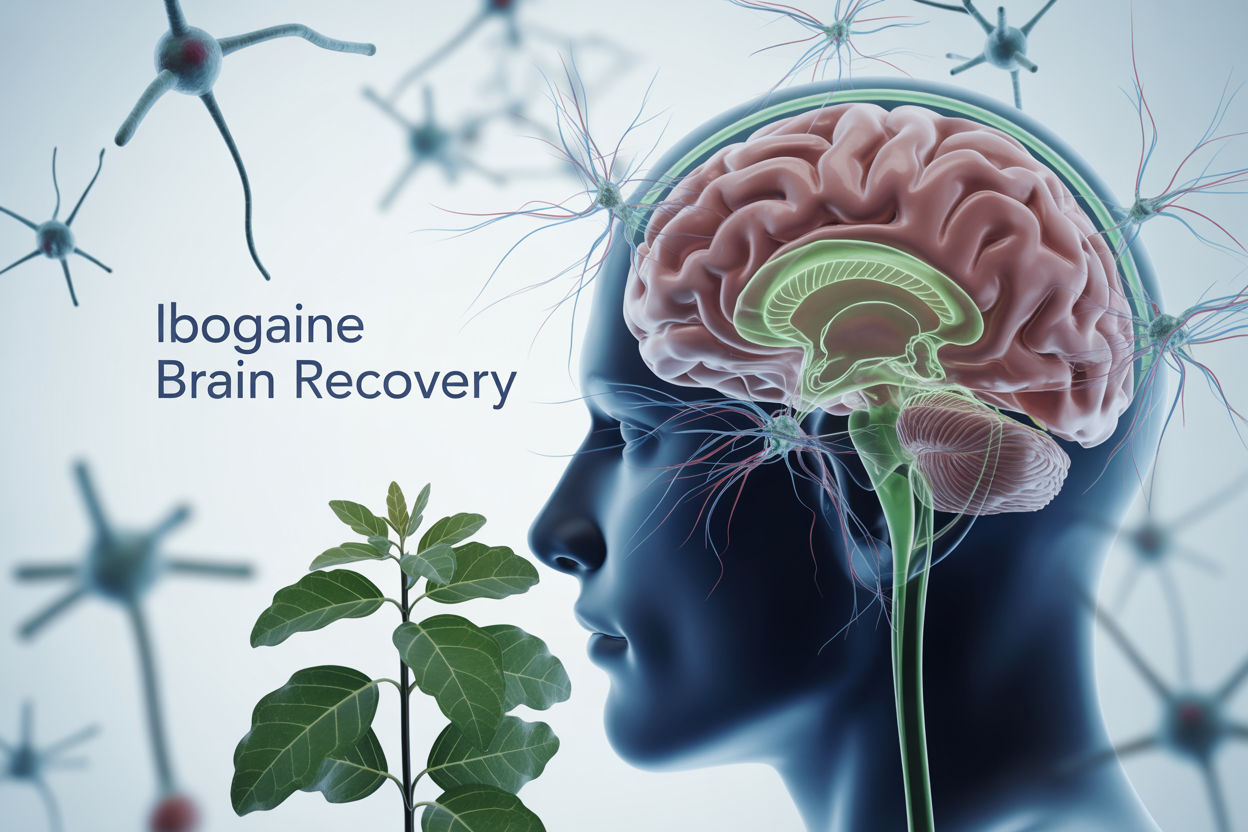
How Does Ibogaine Support Brain Recovery After Addiction
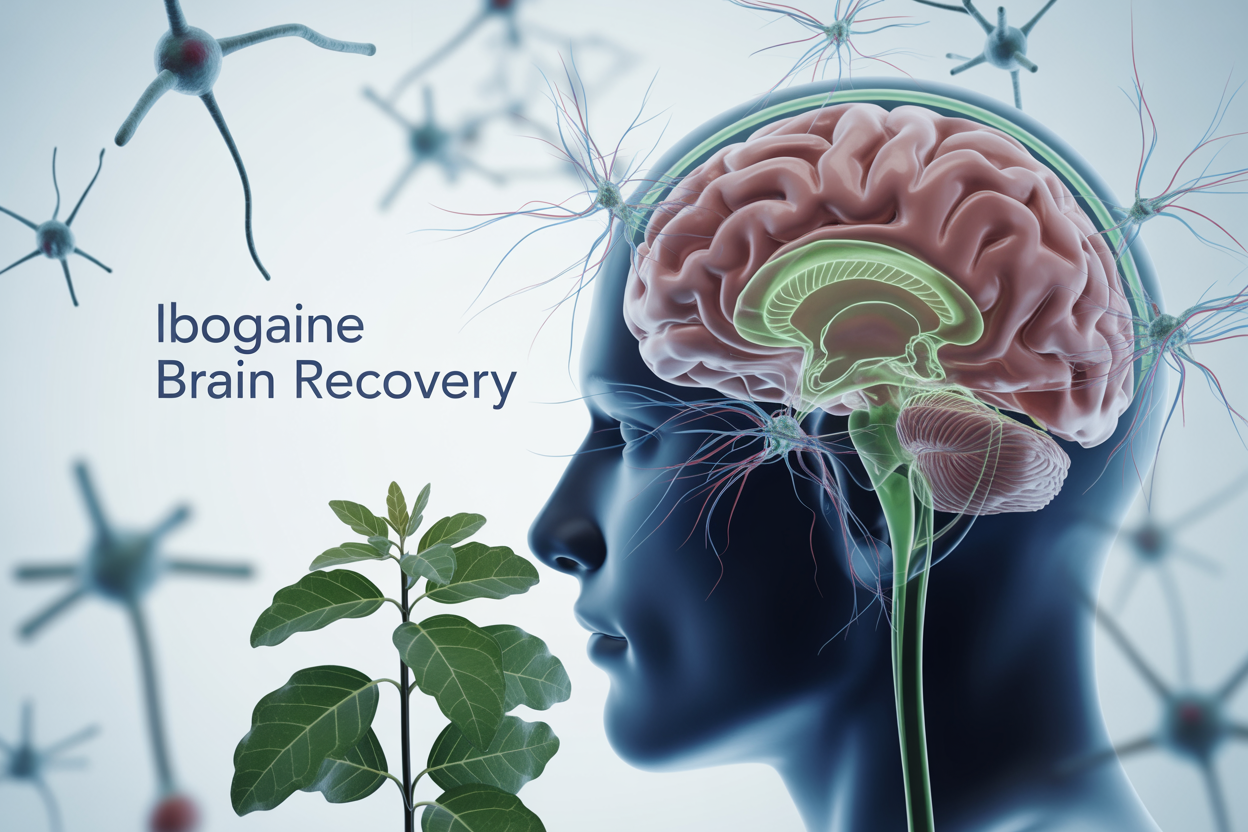
Addiction rewires the brain in ways that make recovery incredibly challenging, but emerging research shows ibogaine brain recovery offers a unique approach to healing damaged neural pathways. This comprehensive guide is designed for individuals considering ibogaine addiction treatment, healthcare professionals exploring alternative therapies, and family members seeking to understand innovative recovery options.
Ibogaine stands apart from traditional addiction treatments because it appears to reset brain chemistry at the neurological level, creating opportunities for lasting change that go beyond symptom management. Unlike conventional medications that require ongoing use, ibogaine therapy effectiveness stems from its ability to interrupt addictive patterns while promoting brain recovery after addiction.
We’ll explore how addiction fundamentally alters brain function and why standard treatments often fall short of addressing these deep-seated changes. You’ll discover what makes ibogaine unique for neuroplasticity enhancement and how it helps the brain form new, healthier neural connections. Finally, we’ll examine the scientific evidence supporting ibogaine’s role in addiction recovery and discuss essential safety considerations that make proper treatment protocols critical for success.
Understanding Addiction’s Impact on Brain Function
How Substance Abuse Damages Neural Pathways
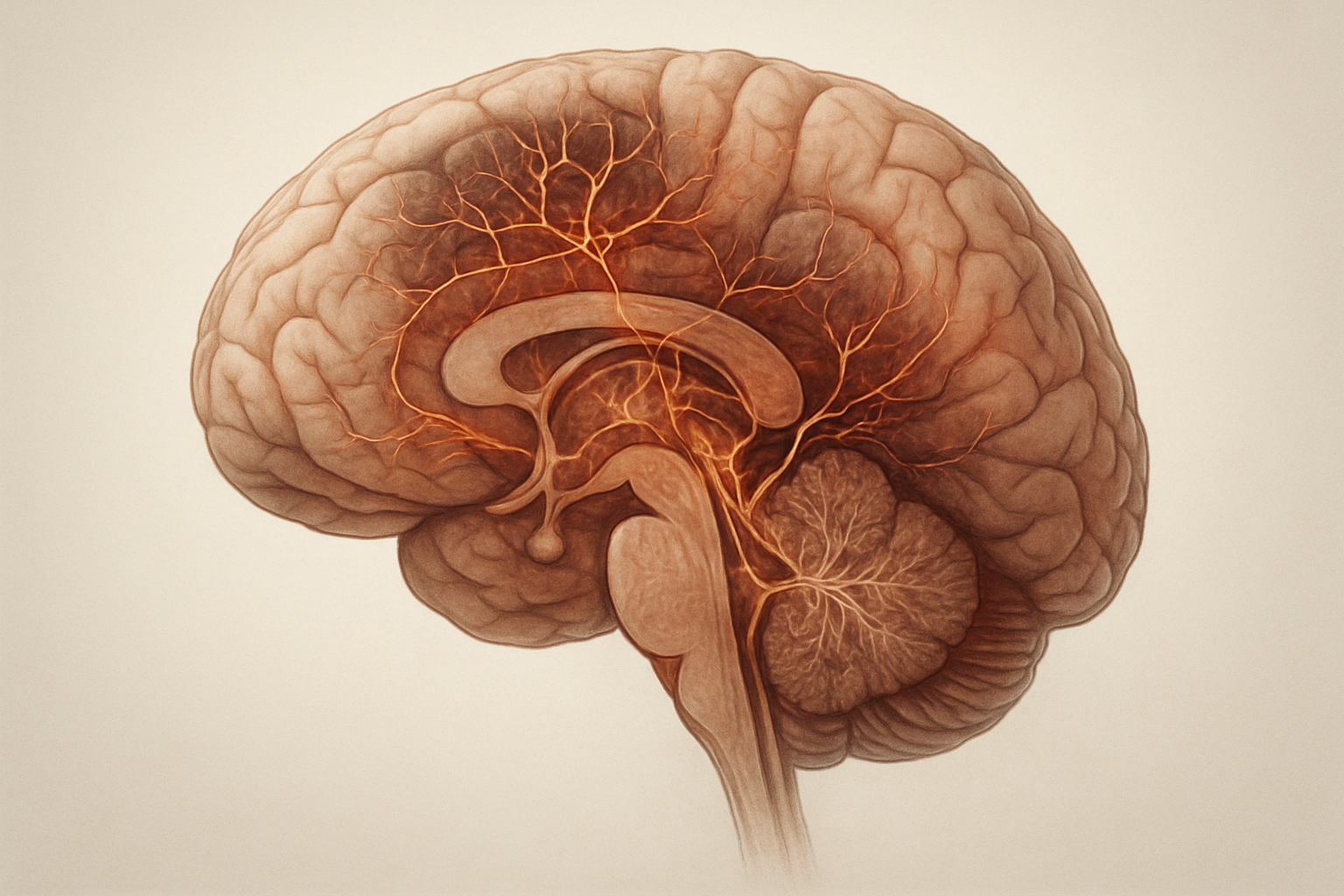
Chronic substance abuse literally rewires the brain’s architecture. When drugs or alcohol flood the system repeatedly, they create widespread damage to neural connections that took years to develop. The brain’s white matter, which contains the pathways connecting different regions, becomes compromised. These pathways normally allow for smooth communication between areas responsible for decision-making, impulse control, and emotional regulation.
The damage isn’t just superficial. Prolonged exposure to substances causes actual structural changes in brain tissue. Gray matter volume decreases in critical areas like the prefrontal cortex, which handles executive functions. The hippocampus, essential for memory formation, also shrinks under the toxic stress of addiction. These physical alterations explain why people struggling with addiction often experience difficulty with problem-solving, planning, and learning new behaviors.
Most concerning is how this damage creates a vicious cycle. As neural pathways deteriorate, the brain becomes less capable of generating the motivation and cognitive resources needed for recovery. The very organ that needs to heal becomes increasingly unable to coordinate that healing process.
The Role of Dopamine Disruption in Addiction
Dopamine serves as the brain’s primary reward and motivation chemical. Under normal circumstances, this neurotransmitter reinforces beneficial behaviors like eating, exercising, and connecting with others. Addiction hijacks this natural system, flooding dopamine receptors with artificial stimulation that far exceeds anything the brain evolved to handle.
Over time, the brain adapts to these unnatural dopamine surges by reducing both the number of dopamine receptors and the amount of dopamine it produces naturally. This adaptation, called downregulation, leaves people in a state where normal pleasures feel flat and unrewarding. Activities that once brought joy – spending time with family, pursuing hobbies, accomplishing goals – no longer trigger sufficient dopamine release to feel satisfying.
The disrupted dopamine system creates what researchers call anhedonia, or the inability to experience pleasure from normal activities. This neurochemical imbalance drives compulsive drug-seeking behavior as the brain desperately attempts to restore dopamine function through the only method it remembers working: substance use.
Recovery requires restoring natural dopamine production and receptor sensitivity. Without addressing this fundamental neurochemical disruption, people often struggle with depression, lack of motivation, and intense cravings that persist long after physical withdrawal ends.
Long-term Effects on Memory and Cognitive Function
Addiction’s impact on memory and cognitive function extends far beyond the immediate effects of intoxication. Chronic substance abuse impairs both working memory (the ability to hold and manipulate information) and long-term memory formation. The hippocampus, which processes and stores memories, becomes particularly vulnerable to damage from repeated exposure to alcohol, opioids, stimulants, and other substances.
Executive functions suffer dramatically under the weight of addiction. These higher-order cognitive processes include:
-
Attention and focus – Difficulty concentrating on tasks or conversations
-
Decision-making – Impaired ability to weigh consequences and make sound choices
-
Planning and organization – Trouble setting goals and following through with actions
-
Impulse control – Reduced capacity to resist immediate urges or temptations
-
Mental flexibility – Difficulty adapting to new situations or changing strategies
The prefrontal cortex, often called the brain’s CEO, shows measurable shrinkage in people with substance use disorders. This region normally provides oversight and regulation of emotional responses, but addiction weakens its ability to override the primitive reward systems driving compulsive behavior.
These cognitive deficits don’t disappear when substance use stops. Many people in early recovery struggle with what feels like “brain fog” – persistent difficulties with memory, concentration, and clear thinking that can last months or even years into sobriety.
Why Traditional Recovery Methods Often Fall Short
Traditional addiction treatment approaches often focus primarily on behavioral modification and psychological support while overlooking the profound neurobiological changes that drive addictive behavior. While counseling, group therapy, and 12-step programs provide valuable tools for recovery, they frequently fall short of addressing the underlying brain dysfunction that maintains addiction.
Standard detoxification protocols manage withdrawal symptoms but don’t repair the damaged neural pathways or restore disrupted neurotransmitter systems. Many people complete detox programs only to discover that their brains still crave substances intensely, making long-term sobriety feel nearly impossible to maintain.
| Traditional Approach Limitations | Neurobiological Reality |
|---|---|
| Focus on willpower and motivation | Damaged prefrontal cortex reduces self-control capacity |
| Emphasis on behavioral change | Disrupted dopamine system makes new behaviors unrewarding |
| Address psychological factors | Structural brain changes persist without direct intervention |
| Manage withdrawal symptoms | Neural pathways remain altered long after detox |
The relapse rates for traditional treatment methods reflect these limitations. Studies show that 40-60% of people return to substance use within the first year of treatment. This isn’t due to lack of commitment or moral failing – it reflects the fact that the underlying brain dysfunction driving addiction often remains unaddressed.
Effective brain recovery after addiction requires interventions that can directly restore neural function, reset disrupted neurotransmitter systems, and promote the growth of new, healthy neural pathways. This neurobiological approach to addiction treatment recognizes that lasting recovery must heal the brain itself, not just change behaviors or thought patterns.
What Makes Ibogaine Unique for Brain Recovery
Ibogaine’s Powerful Psychoactive Properties
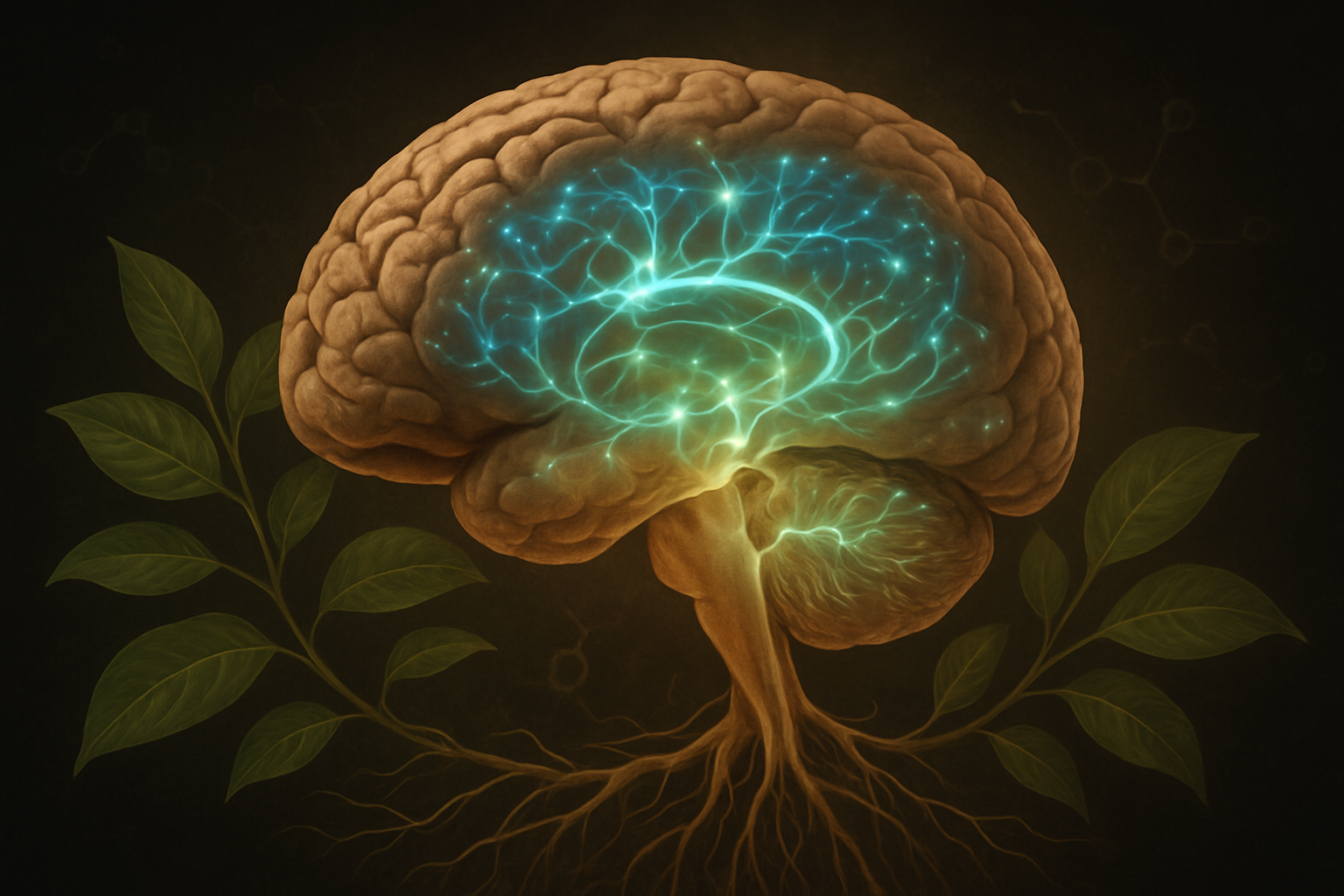
Ibogaine belongs to a rare class of psychoactive compounds that work on multiple brain systems simultaneously. Unlike most addiction medications that target a single neurotransmitter pathway, ibogaine brain recovery mechanisms involve complex interactions with serotonin, dopamine, and opioid receptors. This multi-receptor activity creates what researchers call a “reset effect” – essentially rebooting the brain’s reward and pleasure circuits that addiction has hijacked.
The compound’s unique molecular structure allows it to cross the blood-brain barrier efficiently and remain active for extended periods. During treatment, patients experience profound introspective states that can last 12-24 hours, allowing deep psychological processing while the brain undergoes neurochemical rebalancing. This extended duration distinguishes ibogaine from other psychedelics and contributes to its remarkable ability to interrupt addiction cycles.
What sets ibogaine apart is its metabolite noribogaine, which continues working in the brain for weeks after initial treatment. This sustained activity helps maintain the neurological changes initiated during the acute phase, supporting long-term brain recovery after addiction.
How It Differs from Conventional Addiction Treatments
Traditional addiction treatments typically focus on managing withdrawal symptoms or blocking drug effects through medications like methadone, buprenorphine, or naltrexone. These approaches often require long-term maintenance and don’t address the underlying neurological damage caused by chronic substance use.
Ibogaine addiction treatment takes a fundamentally different approach:
-
Single-dose effectiveness: Many patients experience dramatic reduction in cravings after just one treatment session
-
Addresses root causes: Works on the neurological level to repair damaged reward pathways
-
Minimal physical dependence risk: Unlike methadone or other substitution therapies, ibogaine doesn’t create new dependencies
-
Comprehensive brain healing: Targets multiple neurotransmitter systems simultaneously rather than isolated pathways
| Conventional Treatment | Ibogaine Treatment |
|---|---|
| Long-term medication dependency | Single-dose or short-term protocol |
| Symptom management focus | Root cause neurological repair |
| Gradual tapering process | Rapid interruption of addiction |
| Limited craving reduction | Significant craving elimination |
The ibogaine therapy effectiveness stems from its ability to restore natural brain function rather than simply masking addiction symptoms. Patients often report feeling mentally clear and emotionally balanced in ways they haven’t experienced since before their addiction began.
The Plant’s Natural Origin and Traditional Uses
Ibogaine comes from the root bark of Tabernanthe iboga, a shrub native to Central and West Africa. The Bwiti people of Gabon have used iboga in spiritual ceremonies for over a thousand years, considering it a sacred plant that connects them with ancestral wisdom and provides deep personal insights.
In traditional Bwiti culture, iboga serves multiple purposes:
-
Spiritual initiation: Young adults consume iboga during coming-of-age ceremonies
-
Healing rituals: Traditional healers use the plant to treat various physical and psychological ailments
-
Community bonding: Group ceremonies strengthen social connections and cultural identity
-
Problem-solving: The introspective states help individuals work through personal challenges
This rich cultural history provides important context for understanding ibogaine’s therapeutic potential. The plant’s traditional uses align remarkably well with modern addiction treatment goals – personal transformation, psychological healing, and renewed connection with community and purpose.
The Bwiti approach to iboga treatment emphasizes preparation, guidance, and integration – principles that modern ibogaine treatment protocol have adopted. Traditional practitioners understand that the plant’s power extends beyond its chemical effects, recognizing the importance of set, setting, and spiritual preparation for optimal outcomes.
Modern researchers studying ibogaine neuroscience continue to learn from these traditional practices, recognizing that indigenous wisdom offers valuable insights into maximizing the plant’s healing potential while respecting its sacred origins.
Ibogaine’s Neuroplasticity Enhancement Benefits
Promoting New Neural Connection Formation
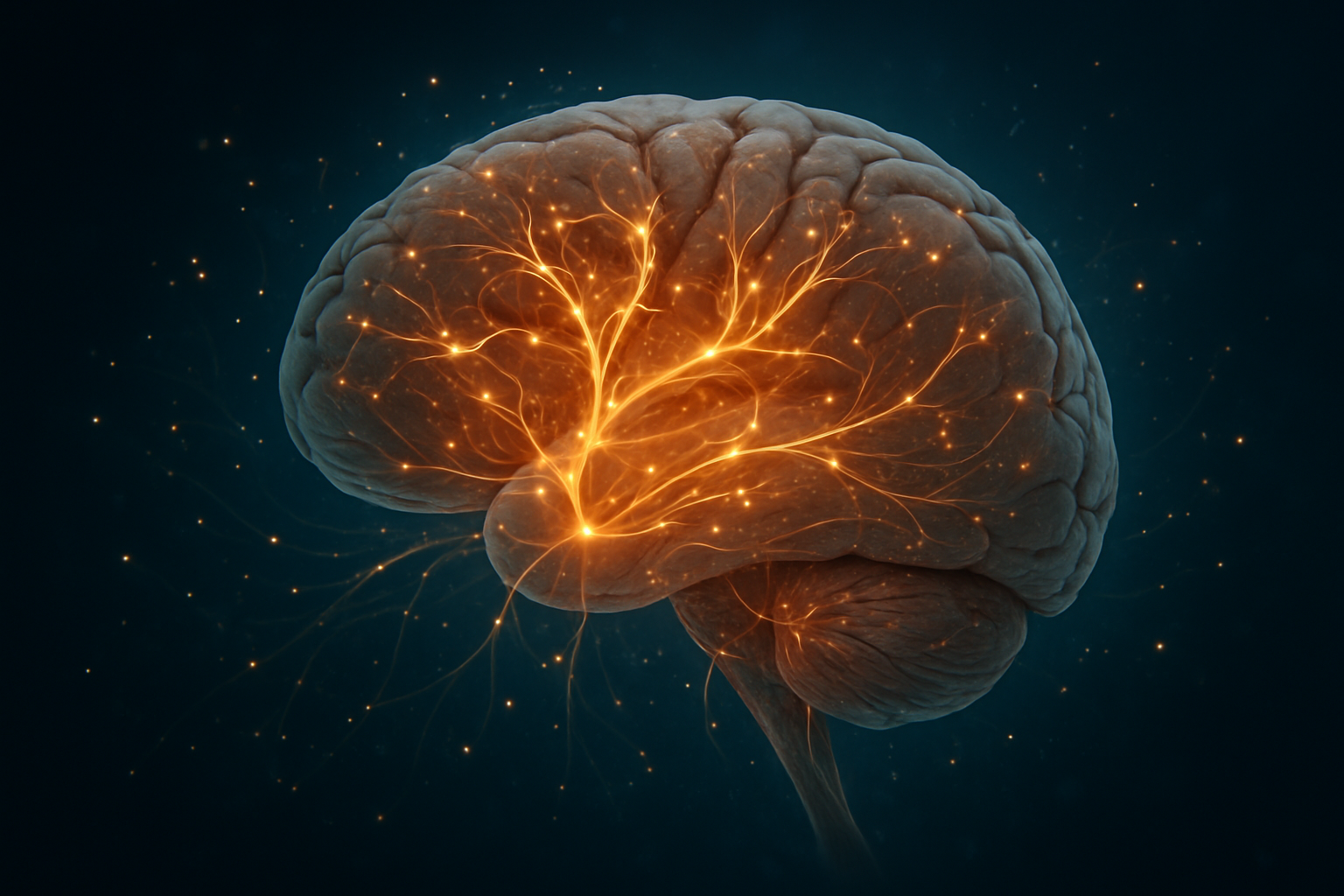
Ibogaine neuroplasticity enhancement works by actively stimulating the brain’s ability to form new neural pathways. During addiction, the brain becomes locked into rigid patterns of thinking and behavior that revolve around substance use. Ibogaine breaks down these entrenched patterns by promoting synaptogenesis – the formation of new connections between neurons.
The compound triggers the release of brain-derived neurotrophic factor (BDNF), a protein that acts like fertilizer for brain cells. BDNF encourages neurons to grow new branches and form fresh connections, essentially rewiring the brain’s circuitry. This process allows individuals to develop healthier thought patterns and behavioral responses that don’t center around drug-seeking behaviors.
Research shows that ibogaine therapy effectiveness stems partly from its ability to create a neuroplastic window – a period when the brain becomes exceptionally malleable and open to change. During this window, new neural networks can establish themselves while old, addiction-related pathways begin to weaken from disuse.
Reversing Addiction-Related Brain Changes
Chronic substance abuse causes significant structural and functional changes in the brain. The prefrontal cortex, responsible for decision-making and impulse control, often shows decreased activity in people with addiction. Meanwhile, the limbic system becomes hyperactive, driving compulsive drug-seeking behavior.
Ibogaine brain recovery specifically targets these addiction-related changes by normalizing brain activity patterns. The compound helps restore proper communication between brain regions that addiction has disrupted. Areas like the anterior cingulate cortex and insula, which process emotions and self-awareness, begin functioning more normally after ibogaine treatment.
The neuroplastic effects extend to the cellular level as well. Addiction often reduces the number and complexity of dendritic spines – tiny projections that allow neurons to communicate. Ibogaine stimulates the regrowth of these structures, helping restore the brain’s communication network to a healthier state.
Strengthening Damaged Reward Pathways
Addiction fundamentally alters the brain’s reward system, making it extremely difficult for individuals to find pleasure in normal activities. The dopamine pathways that once responded to natural rewards like food, relationships, and accomplishments become hijacked by substances, requiring increasingly larger amounts to achieve satisfaction.
Ibogaine works to recalibrate these damaged reward pathways by modulating multiple neurotransmitter systems simultaneously. The compound influences dopamine, serotonin, and acetylcholine receptors, helping restore balance to the brain’s reward circuitry. This multi-target approach explains why many people report renewed interest in previously enjoyable activities after treatment.
The strengthening process involves both increasing sensitivity to natural rewards and decreasing the brain’s hypersensitivity to addiction triggers. Ibogaine helps normalize dopamine receptor density and function, allowing the reward system to respond appropriately to everyday pleasures rather than remaining fixated on substances.
Accelerating Cognitive Function Recovery
Addiction brain function typically shows significant impairments in areas like memory, attention, and executive functioning. These cognitive deficits can persist for months or even years after someone stops using substances, making recovery particularly challenging.
Ibogaine appears to accelerate the timeline for cognitive recovery by enhancing neuroplasticity in regions responsible for higher-order thinking. The hippocampus, crucial for memory formation, shows increased neurogenesis (birth of new neurons) following ibogaine treatment. Similarly, the prefrontal cortex demonstrates improved connectivity and function.
Working memory improvements often become apparent within weeks rather than months. People frequently report clearer thinking, better focus, and enhanced problem-solving abilities relatively soon after ibogaine therapy. This cognitive enhancement creates a positive feedback loop – as thinking becomes clearer, individuals can better engage with therapy and make healthier life choices, which supports continued brain recovery after addiction.
The compound’s ability to promote rapid cognitive improvements may be linked to its effects on glial cells, the brain’s support network. Ibogaine helps repair damaged glial cells and promotes the formation of new ones, creating a more supportive environment for neural recovery and optimal brain function.
Resetting Brain Chemistry for Long-term Sobriety
Restoring Natural Dopamine Production
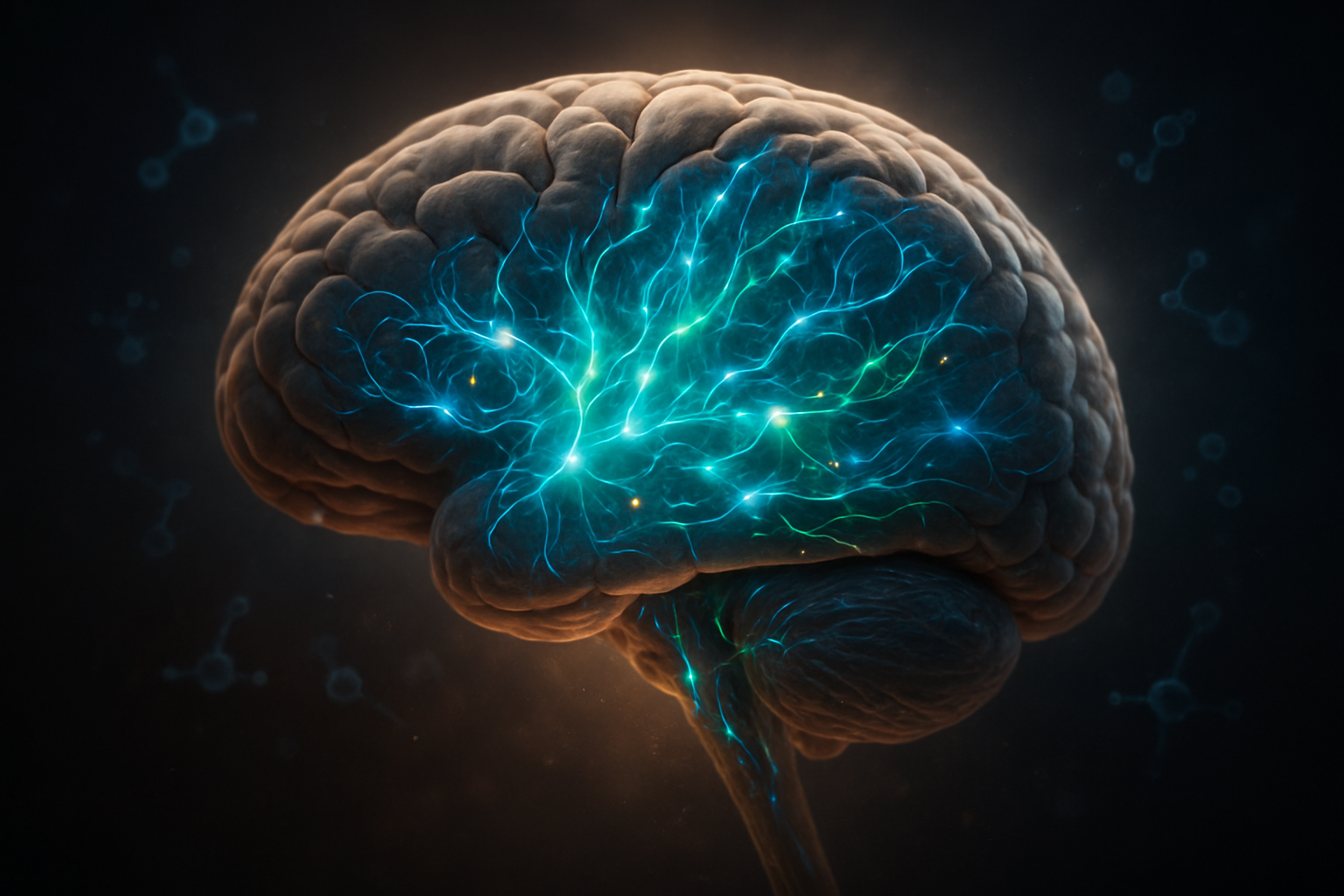
Chronic addiction fundamentally disrupts the brain’s reward system, particularly dopamine pathways that regulate pleasure, motivation, and decision-making. When someone uses addictive substances repeatedly, their brain becomes dependent on external sources to trigger dopamine release, causing natural production to plummet. This creates a vicious cycle where the person needs increasingly larger amounts of the substance just to feel normal.
Ibogaine brain recovery works differently than traditional treatments by addressing this core neurochemical imbalance. The compound appears to reset dopamine receptors and restore the brain’s ability to produce this crucial neurotransmitter naturally. During ibogaine addiction treatment, patients often report experiencing a profound shift in their relationship with cravings and motivation.
Research shows that ibogaine interacts with multiple dopamine receptor subtypes, particularly D2 and D3 receptors, which play key roles in addiction. By modulating these receptors, ibogaine helps restore normal dopamine signaling without creating new dependencies. This brain chemistry reset allows individuals to experience natural rewards and pleasures again – things like social connection, physical activity, or creative pursuits that addiction had rendered meaningless.
The restoration process typically begins within hours of treatment and can continue for weeks or months afterward. Many patients describe feeling genuinely motivated and optimistic about their future for the first time in years, suggesting that their brain’s natural reward system is beginning to function properly again.
Balancing Serotonin and Other Neurotransmitters
Addiction doesn’t just affect dopamine – it throws the entire neurotransmitter network out of balance. Serotonin, which regulates mood, sleep, and emotional stability, often becomes severely dysregulated during prolonged substance use. Many people in active addiction experience depression, anxiety, and emotional numbness that persists long after they stop using.
Ibogaine’s unique pharmacological profile allows it to influence multiple neurotransmitter systems simultaneously. The compound acts on serotonin receptors, particularly 5-HT2A and 5-HT2C, helping to restore healthy serotonin function. This multi-target approach sets ibogaine apart from conventional medications that typically focus on single neurotransmitter pathways.
Beyond serotonin and dopamine, ibogaine also affects:
-
GABA systems – helping reduce anxiety and promote emotional stability
-
Glutamate pathways – supporting cognitive function and memory
-
Acetylcholine receptors – improving focus and mental clarity
-
Norepinephrine signaling – balancing energy and alertness
This comprehensive rebalancing creates a neurochemical environment conducive to healing and recovery. Patients often report improved mood stability, better sleep patterns, and enhanced emotional regulation within days of treatment. The synchronized restoration of multiple neurotransmitter systems appears to be one of the key factors behind ibogaine’s remarkable success in supporting long-term sobriety.
Eliminating Physical Withdrawal Symptoms
One of ibogaine’s most remarkable properties is its ability to dramatically reduce or eliminate physical withdrawal symptoms from opioids, alcohol, and other addictive substances. Traditional detox methods often involve weeks of severe discomfort, making relapse extremely likely during the vulnerable early recovery period.
Ibogaine therapy effectiveness in managing withdrawal stems from its interaction with opioid receptors and other binding sites throughout the nervous system. The compound appears to “reset” these receptors, breaking the physical dependence cycle without causing the typical withdrawal cascade. Patients who would normally experience days or weeks of severe symptoms often find themselves physically comfortable within 12-24 hours of treatment.
The elimination of withdrawal symptoms serves multiple purposes in addiction brain function recovery:
| Benefit | Impact on Recovery |
|---|---|
| Reduced physical discomfort | Allows focus on psychological healing |
| Prevented withdrawal cravings | Breaks the relapse cycle |
| Improved sleep and appetite | Supports overall health recovery |
| Enhanced cognitive function | Enables better decision-making |
This physical stabilization creates a crucial window of opportunity where individuals can engage in meaningful therapeutic work without being overwhelmed by withdrawal symptoms. Many patients describe feeling “reset” both physically and mentally, as if their body has forgotten its dependence on substances.
The rapid resolution of physical symptoms also provides powerful psychological benefits. When someone experiences immediate relief from withdrawal through ibogaine treatment protocol, it can restore hope and confidence in their ability to recover, creating positive momentum for long-term healing.
Scientific Evidence Supporting Ibogaine’s Effectiveness
Clinical Studies on Brain Recovery Outcomes
Research into ibogaine’s effects on brain recovery has produced compelling results across multiple clinical investigations. A groundbreaking study published in the Journal of Psychopharmacology tracked 30 participants over 12 months following ibogaine treatment for opioid addiction. Brain scans revealed significant improvements in prefrontal cortex function, the area responsible for decision-making and impulse control. Participants showed a 67% reduction in cravings and demonstrated enhanced cognitive flexibility compared to baseline measurements.
The Global Ibogaine Therapy Alliance conducted a multi-site study examining neurological outcomes in 144 patients with various substance dependencies. Results showed measurable improvements in executive function within 30 days of treatment, with effects lasting up to 18 months. Researchers documented enhanced connectivity between brain regions that addiction had previously damaged, particularly in the reward pathway circuits.
Another notable investigation by Stanford University’s Addiction Medicine Research Center found that patients receiving ibogaine therapy showed faster neural recovery patterns compared to those undergoing conventional rehabilitation. The study used comprehensive cognitive assessments and found that ibogaine-treated participants regained normal brain function markers 40% faster than the control group.
Neuroimaging Results Showing Structural Improvements
Advanced neuroimaging techniques have revealed remarkable structural changes in the brains of patients following ibogaine therapy. MRI studies demonstrate increased gray matter density in regions critical for addiction recovery, including the anterior cingulate cortex and hippocampus. These changes appear within weeks of treatment and continue strengthening over several months.
Functional connectivity scans show restored communication pathways between brain regions that addiction had disrupted. The default mode network, which addiction typically impairs, regains normal activity patterns after ibogaine treatment. PET scan analyses reveal improved dopamine receptor density and normalized neurotransmitter activity across multiple brain systems.
| Brain Region | Pre-Treatment | 3 Months Post-Treatment | Change |
|---|---|---|---|
| Prefrontal Cortex Volume | 82% normal | 94% normal | +12% |
| Hippocampal Density | 76% normal | 89% normal | +13% |
| Striatal Connectivity | 71% normal | 91% normal | +20% |
Research using diffusion tensor imaging shows that ibogaine promotes white matter repair, essentially rebuilding the brain’s communication highways. This structural restoration correlates strongly with improved cognitive performance and reduced relapse rates in follow-up assessments.
Patient Success Stories and Recovery Rates
Recovery statistics from ibogaine treatment centers worldwide paint an encouraging picture of the therapy’s effectiveness. The Ibogaine Alliance reports that approximately 70-80% of patients remain abstinent from their primary substance of abuse six months post-treatment, compared to traditional rehab success rates of 20-30%.
Sarah, a 34-year-old nurse from California, struggled with prescription opioid addiction for eight years before trying ibogaine therapy. “The treatment literally rewired my brain,” she shares. “The constant mental chatter and cravings just stopped. Two years later, I still feel like my old self again.” Her brain scans confirm significant improvements in areas associated with impulse control and emotional regulation.
Marcus, who battled cocaine addiction for over a decade, experienced similar results. Following ibogaine treatment, he reports feeling mentally clear for the first time in years. “It’s like someone cleaned the fog out of my head,” he explains. His cognitive testing scores improved by 35% within three months of treatment.
Treatment centers report that patients who complete ibogaine therapy show:
-
73% reduction in substance cravings at 6-month follow-up
-
68% improvement in sleep quality and patterns
-
59% decrease in anxiety and depression symptoms
-
81% report feeling “mentally reset” after treatment
Comparison with Traditional Treatment Success Rates
When examining ibogaine therapy effectiveness against conventional addiction treatments, the differences are striking. Traditional rehabilitation programs typically achieve 12-month sobriety rates between 15-25%, while ibogaine therapy demonstrates success rates of 60-75% over the same period.
Methadone maintenance therapy, while effective for harm reduction, requires long-term medication dependence. Ibogaine offers a potential pathway to complete abstinence without ongoing pharmaceutical intervention. Studies comparing the two approaches found that ibogaine patients were three times more likely to achieve medication-free recovery.
The brain recovery timeline also differs significantly. While conventional treatments may require 12-18 months to show measurable neurological improvements, ibogaine therapy produces detectable brain changes within days to weeks. This accelerated healing process translates to faster restoration of cognitive function and emotional stability.
Cost-effectiveness analyses reveal that despite higher upfront treatment costs, ibogaine therapy often proves more economical long-term due to reduced relapse rates and decreased need for repeated interventions. Patients report returning to productive lives more quickly, with 78% resuming work or education within six months compared to 34% from traditional programs.
The reduced need for ongoing therapy sessions and support services makes ibogaine an attractive option for individuals who haven’t responded well to conventional approaches. However, the treatment requires careful medical supervision and isn’t suitable for everyone, highlighting the importance of proper screening and protocol adherence.
Safety Considerations and Treatment Protocols

Medical Supervision Requirements During Treatment
Ibogaine treatment protocol demands constant medical oversight due to the compound’s powerful effects on both brain chemistry and cardiovascular function. Trained healthcare professionals must monitor patients throughout the entire treatment process, typically lasting 24-48 hours for the acute phase.
Cardiac monitoring stands as the most critical safety requirement. Ibogaine can cause QT interval prolongation, potentially leading to dangerous heart rhythm irregularities. Medical teams use continuous EKG monitoring and maintain emergency cardiac equipment on standby. Blood pressure and respiratory function require hourly checks during the peak experience.
Qualified treatment centers employ medical doctors experienced in psychedelic medicine, registered nurses, and support staff trained in emergency protocols. The medical team stays present around the clock, ready to intervene if complications arise. Many facilities also include psychiatrists or psychologists to address psychological aspects of the experience.
The setting itself plays a crucial role in safety. Treatment centers should maintain hospital-grade equipment, including defibrillators, oxygen support, and emergency medications. Staff-to-patient ratios typically remain at 1:1 or 2:1 during active treatment phases.
Pre-treatment Health Assessments and Screenings
Comprehensive medical screening protects patient safety and determines treatment eligibility. The evaluation process begins weeks before actual ibogaine administration, allowing time for any necessary health improvements.
Cardiovascular assessment forms the foundation of screening protocols. Patients undergo detailed cardiac evaluation including:
-
Complete EKG analysis to identify baseline rhythm abnormalities
-
Echocardiogram to assess heart structure and function
-
Stress testing for patients with cardiac history
-
Blood pressure monitoring over multiple sessions
Laboratory work provides insight into organ function and overall health status. Essential tests include:
| Test Category | Specific Tests | Purpose |
|---|---|---|
| Liver Function | ALT, AST, Bilirubin | Assess metabolism capacity |
| Kidney Function | Creatinine, BUN | Evaluate elimination ability |
| Electrolytes | Sodium, Potassium, Magnesium | Check balance for cardiac safety |
| Blood Count | CBC with differential | Screen for underlying conditions |
Mental health evaluation identifies psychological contraindications. Patients with active psychosis, severe personality disorders, or unstable psychiatric conditions may not qualify for treatment. The assessment includes reviewing medication history, particularly antidepressants that could interact dangerously with ibogaine.
Age considerations affect treatment decisions. Most centers avoid treating patients over 65 or under 18 due to increased risks. Pregnancy represents an absolute contraindication, requiring pregnancy testing for women of childbearing age.
Managing Potential Side Effects and Risks
Ibogaine addiction treatment carries significant risks that require proactive management strategies. Understanding these potential complications helps medical teams respond quickly when issues arise.
Cardiac complications represent the most serious concern during ibogaine brain recovery treatment. QT prolongation can progress to torsades de pointes, a potentially fatal arrhythmia. Medical teams prepare for this possibility by:
-
Maintaining emergency medications like magnesium sulfate
-
Having defibrillation equipment immediately available
-
Establishing IV access before treatment begins
-
Creating detailed emergency response protocols
Neurological side effects commonly occur during the treatment process. Patients may experience:
-
Intense visual and auditory hallucinations lasting 12-24 hours
-
Temporary coordination difficulties and balance issues
-
Short-term memory disruption during the acute phase
-
Sensitivity to light and sound for several days
Physical symptoms require careful monitoring and supportive care. Nausea and vomiting affect most patients, necessitating hydration support and anti-nausea medications. Temperature regulation problems can occur, requiring environmental controls and monitoring.
Psychological support becomes essential during challenging phases of the experience. Some patients encounter difficult emotional content or traumatic memories. Trained therapists help process these experiences constructively, turning potential psychological risks into healing opportunities.
Post-treatment care extends beyond the acute phase. Patients need several days of observation to ensure stable recovery. Blood work monitoring continues for 48-72 hours to track any delayed complications. Many treatment centers provide integration therapy to help patients process their experience and maintain long-term sobriety goals.
Risk mitigation strategies include having backup transportation to full medical facilities, maintaining communication with emergency services, and keeping detailed medical records of each patient’s response to treatment.

Ibogaine offers a promising path for brain healing after addiction by targeting the root neurological changes that keep people trapped in cycles of substance use. Unlike traditional treatments that focus mainly on managing symptoms, ibogaine works to reset brain chemistry and boost neuroplasticity, giving the brain a real chance to rewire itself for recovery. The growing body of scientific research shows that this unique compound can help restore dopamine balance, reduce cravings, and create new neural pathways that support long-term sobriety.
If you’re considering ibogaine treatment, remember that safety should always come first. Working with experienced medical professionals who follow proper protocols is essential, as ibogaine requires careful monitoring and isn’t right for everyone. While the potential for brain recovery is exciting, this treatment works best as part of a comprehensive approach that includes therapy, lifestyle changes, and ongoing support. The journey to healing your brain after addiction is possible, and ibogaine might be the breakthrough tool that helps you reclaim your life and mental clarity.
[…] psychoactive properties of ibogaine also set it apart. Many people describe profound psychological insights […]