
Ibogaine Vs Iboga – Which Is Better for Addiction Treatment?
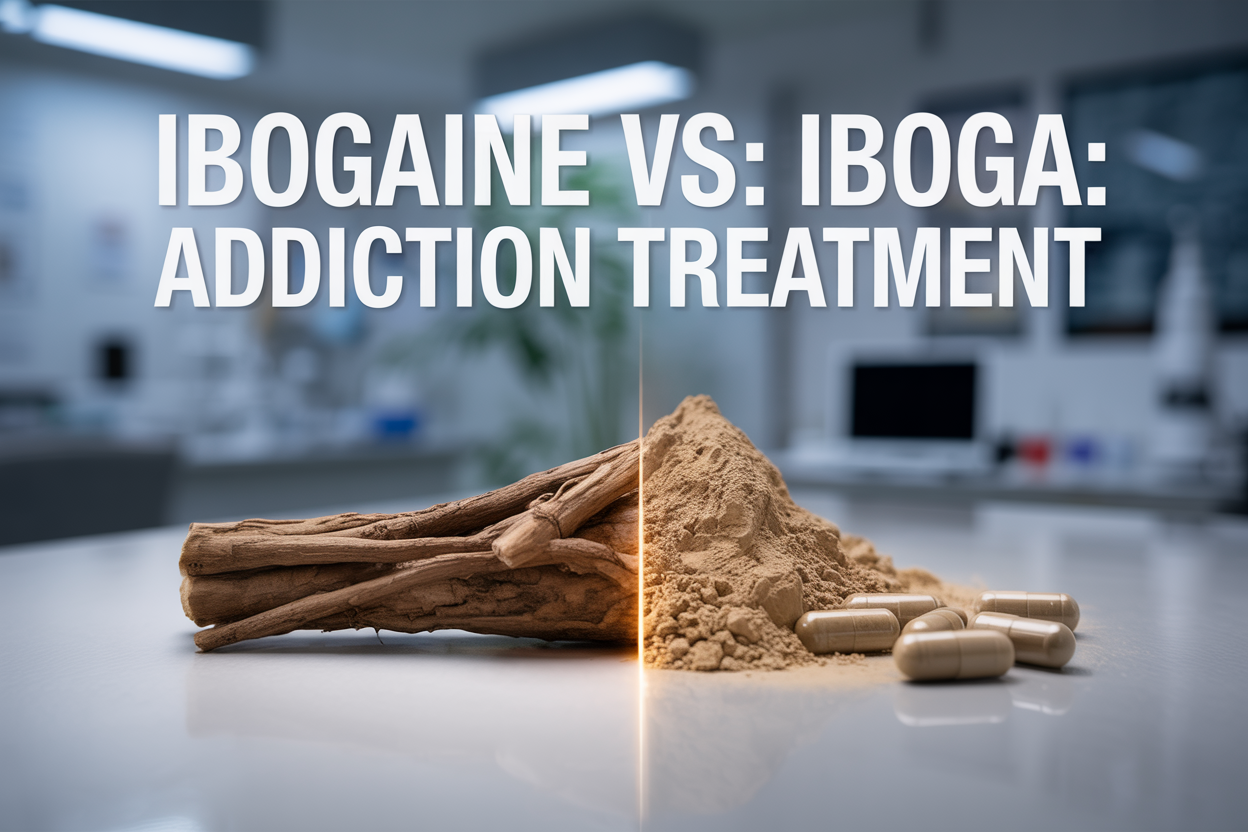
Finding the right addiction treatment can feel overwhelming when you’re exploring alternative therapies. If you’re researching plant-based addiction treatments, you’ve probably come across both ibogaine and iboga and wondered which option might work better for your situation.
This guide is for people struggling with substance dependence, their families, and healthcare providers who want to understand these two related but distinct treatment approaches. While both come from the same African plant, they offer different experiences and therapeutic benefits.
We’ll break down the key differences between iboga and ibogaine, examine how each approach works for addiction treatment, and explore the safety considerations you need to know before making this important decision. You’ll also learn about treatment effectiveness rates and where these therapies are legally available.
Understanding the Fundamental Differences Between Iboga and Ibogaine
Source and Origin – Natural Plant vs Extracted Alkaloid
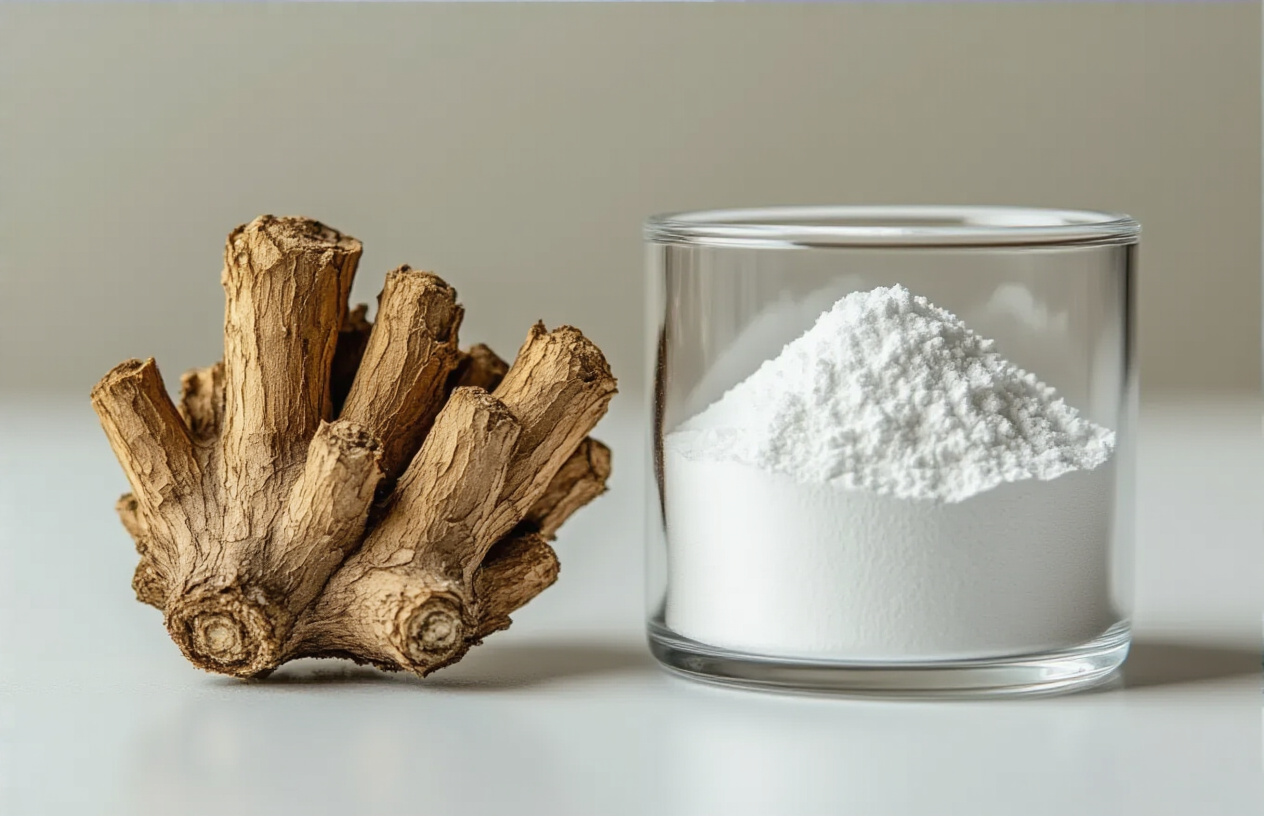
The fundamental distinction between iboga and ibogaine begins with their origins and processing methods. Iboga represents the natural, unprocessed form derived directly from the root bark of the Tabernanthe iboga shrub, which grows widely in Gabon and Cameroon throughout West Africa. Indigenous communities have traditionally consumed this root bark in its raw or powdered form during healing ceremonies and spiritual rituals for generations.
In contrast, ibogaine is a pharmaceutically extracted, single alkaloid that has been chemically isolated from the iboga root bark through laboratory processes. This extraction creates a purified compound that contains only one specific alkaloid from the plant, making it more suitable for controlled medical environments where precise dosaging is essential.
Chemical Composition – Multiple Alkaloids vs Single Compound
The chemical makeup of these substances reveals another crucial difference in their therapeutic applications. Iboga contains hundreds of different alkaloids working together in what’s known as an “entourage effect,” with ibogaine being just one component of this complex botanical mixture. This full alkaloid profile creates a more unpredictable and potentially physically demanding experience.
Ibogaine, as a purified single-compound drug, offers pharmaceutical precision that allows medical practitioners to calculate exact dosages and predict therapeutic responses more accurately. This controlled composition makes ibogaine particularly applicable for clinical settings that require standardized treatment protocols, especially for addiction recovery programs where consistent results are paramount.
Psychoactive Properties and Experience Intensity
The psychoactive effects of these substances differ significantly due to their chemical compositions. Iboga typically produces more intense and longer-lasting experiences because of its multiple alkaloid content. Traditional ceremonies utilizing iboga often focus on spiritually immersive experiences that can be physically taxing and unpredictable in their intensity and duration.
Ibogaine, when administered in clinical settings, generally produces more therapeutic and focused effects. Many patients report fewer hallucinations with ibogaine compared to whole iboga, experiencing instead a more introspective journey that’s particularly beneficial when paired with structured detoxification protocols. The controlled nature of ibogaine allows for better integration with medical supervision and post-treatment therapy support.
Legal Status Variations Across Different Countries
The legal frameworks governing these substances vary considerably worldwide. In some African countries where iboga has historical and cultural significance, it remains legal or unregulated, reflecting its traditional use in indigenous communities. However, iboga faces restrictions in most countries outside of Africa.
Ibogaine’s legal status is more complex and varies significantly by jurisdiction. Several countries including Australia, Finland, New Zealand, Uruguay, Brazil, Canada, Denmark, Hungary, and South Africa permit ibogaine as a controlled substance available through medical prescription. Conversely, the United States has banned ibogaine, as the FDA has not approved it for medical use.
This regulatory landscape creates treatment accessibility challenges, with many seeking ibogaine therapy traveling to countries like Mexico, where it exists in an unscheduled legal grey area. Licensed treatment centers in these jurisdictions can provide medically supervised ibogaine administration for qualifying individuals, offering safer alternatives to those unable to access treatment in their home countries.
Applications and Therapeutic Uses for Addiction Treatment

Traditional Spiritual and Cultural Applications of Iboga
Iboga has been used for millennia during shamanistic rituals in central Africa, where the plant is native. The traditional applications of iboga are deeply rooted in spiritual and cultural practices, with indigenous communities utilizing the roots of the Tabernanthe iboga plant for ceremonial purposes. These traditional uses established the foundation for understanding iboga’s unique psychoactive properties, which set it apart from classic hallucinogens like LSD, mescaline, and psilocybin. The distinct somatic and psychological effects observed in traditional ceremonies provided early insights into the plant’s potential therapeutic applications.
Clinical Addiction Treatment with Ibogaine
Now that we understand the traditional context, clinical applications of ibogaine have emerged as a promising intervention for substance use disorders (SUDs). A systematic literature review encompassing 24 studies with 705 individuals receiving ibogaine or noribogaine demonstrates significant therapeutic potential. The published clinical data suggest that ibogaine is an effective therapeutic intervention within the context of SUDs, particularly in reducing withdrawal symptoms and craving.
The clinical evidence includes two randomized, double-blind, controlled clinical trials, one double-blind controlled clinical trial, and 17 open-label studies or case series. These studies collectively indicate that ibogaine offers rapid-onset therapeutic effects that may provide novel treatment opportunities for specific individuals with addiction disorders. The compound’s unique pharmacological profile makes it particularly valuable for treating conditions where no effective pharmacotherapies currently exist.
Mental Health Conditions – PTSD, Depression, and Anxiety
With this clinical foundation established, research data also point toward ibogaine’s beneficial impact on depressive and trauma-related psychological symptoms. The compound’s interaction with the serotonin transporter (SERT) – the same target as selective serotonin reuptake inhibitor (SSRI) drugs like fluoxetine (Prozac) – provides a mechanistic basis for its antidepressant effects.
Scientists have developed new drug candidates modeled on ibogaine’s pharmacology that show promise for treating both addiction and depression at very low doses. These compounds were able to blunt symptoms of both conditions in animal models, suggesting that ibogaine’s therapeutic applications extend beyond addiction treatment to encompass broader mental health conditions including PTSD, depression, and anxiety disorders.
Integration Support and Post-Treatment Care Requirements
Previously established clinical protocols emphasize that rigorous study designs within medical settings are necessary to warrant safe application and monitoring. The treatment of SUDs and persisting comorbidities requires innovative treatment approaches, and ibogaine’s rapid-onset therapeutic effects necessitate comprehensive post-treatment care protocols.
Given the severity of potential medical complications reported in studies, including neuro- and cardiotoxic effects, integration support becomes crucial for patient safety and treatment efficacy. Medical supervision and possibly immediate medical intervention capabilities must be available throughout the treatment process. The unique nature of ibogaine treatment, with its intense psychoactive effects and potential for serious adverse events, requires specialized aftercare protocols that differ significantly from traditional addiction treatment approaches.
Safety Considerations and Medical Supervision

Risk Factors and Potential Side Effects
Now that we have explored the therapeutic applications, understanding the safety profile of ibogaine treatment becomes crucial. Clinical studies consistently report severe transient ataxia as a universal side effect, with all patients experiencing complete inability to walk without assistance. This neurological impairment typically manifests within 2-6 hours following ibogaine administration, with SARA scores (Scale for the Assessment and Rating of Ataxia) reaching maximum levels during this timeframe.
The cerebellar ataxia presents with distinct clinical signs affecting coordination and balance. Patients exhibit significant impairments in gait, standing stability, and heel-shin test performance, requiring continuous nursing support for basic activities such as bathroom visits. While these effects appear alarming, research demonstrates complete remission occurs within 24 hours of administration, indicating the temporary nature of these neurological complications.
Pre-Treatment Medical Testing and Screening
The research emphasizes that rigorous medical settings are essential for increasing safety margins during ibogaine treatment. Published clinical data reveals documented severe medical complications and fatalities associated with the neuro- and cardiotoxic effects of ibogaine. Two fatalities were specifically described within the reviewed studies, highlighting the critical importance of thorough pre-treatment evaluation.
Medical screening protocols must identify individuals at elevated risk for adverse reactions, particularly those with pre-existing neurological or cardiac conditions that could be exacerbated by ibogaine’s known toxicity profile.
Cardiac and Liver Complications Prevention
The systematic literature review identifies cardiotoxic effects as primary contributors to severe medical complications during ibogaine treatment. These cardiac risks represent potentially lethal consequences that require proactive prevention strategies through comprehensive cardiovascular assessment before treatment initiation.
The neuro- and cardiotoxic properties of ibogaine necessitate continuous monitoring protocols to detect early signs of complications before they progress to life-threatening stages.
Professional Supervision vs Self-Administration Dangers
Clinical evidence strongly supports the necessity of rigorous study designs within controlled medical settings to warrant safe application and monitoring capabilities. The research explicitly states that medical intervention possibilities must be readily available throughout the treatment process.
Self-administration poses unacceptable risks given the documented fatalities and severe complications associated with ibogaine use. Professional supervision provides essential safety infrastructure, including trained medical personnel capable of recognizing and responding to neurological and cardiac emergencies that may arise during treatment.
Treatment Effectiveness and Patient Outcomes

Controlled Dosage Benefits in Clinical Settings
Clinical administration of ibogaine in controlled medical environments provides significant advantages for patient safety and treatment optimization. A systematic review encompassing 24 studies with 705 individuals receiving ibogaine or noribogaine treatment revealed that rigorous medical settings are essential for monitoring and potentially intervening during treatment. The controlled dosage approach allows healthcare professionals to precisely calibrate treatment intensity while maintaining comprehensive oversight of patient vital signs and neurological responses.
The medical supervision framework becomes particularly crucial given that studies have documented severe medical complications and fatalities associated with ibogaine’s neuro- and cardiotoxic effects. Two fatalities were specifically documented within the reviewed clinical studies, emphasizing the critical importance of professional medical monitoring throughout the treatment process.
Therapeutic Focus vs Spiritual Experience Intensity
The clinical application of ibogaine differs markedly from traditional iboga root bark ceremonies in terms of therapeutic focus versus spiritual experience intensity. Clinical settings prioritize the substance’s pharmacological benefits for treating substance use disorders while managing the psychoactive effects within a controlled framework. This approach allows practitioners to harness ibogaine’s therapeutic potential while minimizing the overwhelming spiritual components that characterize traditional iboga experiences.
The controlled clinical environment enables healthcare providers to focus specifically on addiction treatment outcomes rather than facilitating intense spiritual journeys, creating a more predictable and medically supervised therapeutic intervention.
Success Rates for Substance Dependency Recovery
Clinical data demonstrates promising success rates for substance dependency recovery using ibogaine treatment. Research indicates that 80% of participants experienced elimination or drastic reduction of withdrawal symptoms following ibogaine administration. Additionally, 50% of participants reported reduced opioid cravings, with 25% maintaining this craving reduction for at least three months post-treatment.
Long-term abstinence rates show encouraging outcomes, with 30% of participants reporting complete cessation of opioid use following ibogaine treatment. Among those who achieved abstinence, 54% maintained sobriety for at least one year, while 31% remained abstinent for two years or longer. At the time of survey completion, 41% of all participants demonstrated sustained abstinence exceeding six months.
While 70% of the total sample experienced relapse following treatment, 48% reported significantly decreased substance use compared to pre-treatment levels, indicating meaningful harm reduction benefits even when complete abstinence wasn’t achieved.
Long-term Lifestyle Changes and Support Systems
The research reveals that ibogaine treatment extends beyond immediate withdrawal management to facilitate long-term positive psychological outcomes. Clinical data suggests beneficial impacts on depressive and trauma-related psychological symptoms, contributing to comprehensive recovery support. These psychological improvements appear to complement the primary addiction treatment effects, creating a foundation for sustained lifestyle changes.
The evidence indicates that ibogaine’s rapid-onset therapeutic properties may offer novel treatment opportunities for specific individuals struggling with substance use disorders, particularly when integrated within comprehensive support systems and ongoing medical monitoring protocols.
Legal Access and Treatment Options

Countries Where Ibogaine is Legal or Regulated
The legal status of ibogaine varies dramatically across the globe, creating a complex landscape for those seeking treatment. While the United States classifies ibogaine as a Schedule I controlled substance under the Controlled Substances Act, indicating high potential for abuse and no accepted medical use, many other countries have adopted more permissive approaches.
Australia has categorized ibogaine as a Schedule 4 substance, making it a prescription-only medicine rather than a controlled substance under state and federal laws. This classification allows for legal possession, consumption, and cultivation of ibogaine-containing plants under medical supervision.
Several countries permit ibogaine treatment through various regulatory frameworks:
-
Canada, South Africa, and Costa Rica maintain more lenient regulations that allow ibogaine treatment clinics to operate legally
-
Brazil, Finland, Uruguay, Denmark, Hungary, the Netherlands, Spain, and Germany have legal frameworks that permit ibogaine use
-
New Zealand allows ibogaine treatment, with studies conducted there showing promising results for opioid withdrawal symptom reduction
In Europe, the regulatory landscape remains fragmented. While countries like Spain, the Netherlands, and Germany permit ibogaine treatment, most European nations including France, Norway, Finland, Italy, Belgium, Sweden, and Switzerland have declared the substance illegal.
Medical Tourism and International Treatment Centers
Now that we have covered the legal landscape, the restrictive nature of ibogaine laws in many countries has given rise to a thriving medical tourism industry. Americans and citizens from countries with prohibitive laws increasingly travel abroad to access ibogaine treatment at specialized facilities.
This medical tourism phenomenon has led to the establishment of numerous treatment centers in countries with favorable regulations. These facilities cater specifically to international patients, offering comprehensive treatment packages that include:
-
Pre-treatment medical evaluations and screening
-
Supervised ibogaine administration with 24/7 medical monitoring
-
Post-treatment care and recovery support
-
Accommodation and meal services
-
Airport transfers and travel coordination
Notable treatment destinations include:
-
Vancouver, Canada: Inner Realms Treatment Center offers 7-day programs starting at $5,000 USD with private rooms and individualized treatment
-
Cancun, Mexico: Beond provides comprehensive programs ranging from $9,500 to $15,500, including nutritional support and holistic therapies
-
Sayalonga, Spain: Iboga Tree Healing House offers 6-day programs starting at approximately $7,200 USD with lifetime online support meetings
These international facilities often emphasize holistic approaches, combining ibogaine treatment with complementary therapies such as yoga, meditation, breathwork, massage therapy, and nutritional support to enhance the overall treatment experience.
Unscheduled Status in Mexico and Treatment Availability
With this in mind, Mexico represents one of the most significant destinations for ibogaine treatment due to its unique regulatory environment. The country operates in what many describe as a “gray area” where ibogaine clinics exist and function despite unclear legal regulations. This ambiguous legal status has neither explicitly prohibited nor fully regulated ibogaine use, creating opportunities for treatment facilities to operate.
Mexico’s proximity to the United States makes it particularly attractive for American patients seeking ibogaine therapy. The country hosts numerous treatment centers that have established themselves as legitimate medical facilities, despite the regulatory uncertainty. These Mexican clinics often provide:
-
Comprehensive medical screening and preparation protocols
-
Professional medical supervision during treatment
-
Individualized dosing based on patient weight and medical history
-
Integration of traditional healing practices with modern medical oversight
-
Structured aftercare programs and follow-up support
The treatment process in Mexican facilities typically follows international best practices, including thorough cardiovascular screening, fasting requirements, intravenous monitoring, and extended observation periods lasting 72 hours or more post-administration.
FDA Approval Status and US Restrictions
Previously, I’ve mentioned that ibogaine faces significant regulatory barriers in the United States. The FDA’s classification of ibogaine as a Schedule I controlled substance places it in the same category as substances considered to have high abuse potential with no currently accepted medical use. This classification makes ibogaine and ibogaine-assisted therapy illegal outside of approved research settings.
The Schedule I designation creates several significant restrictions:
-
Research limitations: Only specially licensed researchers can conduct studies with ibogaine
-
No medical prescription: Healthcare providers cannot legally prescribe or administer ibogaine for any medical condition
-
Criminal penalties: Possession, distribution, or use of ibogaine carries the same legal consequences as other Schedule I substances
-
Import restrictions: Bringing ibogaine into the United States is federally prohibited
Despite growing interest in psychedelic therapies and some movement toward rescheduling other substances like psilocybin and MDMA, ibogaine remains firmly in Schedule I status. This regulatory environment forces American patients to seek treatment abroad, creating additional costs, travel risks, and potential legal concerns upon return.
The FDA’s position contrasts sharply with emerging research showing ibogaine’s potential therapeutic benefits. Studies conducted in countries with legal access have demonstrated promising results for addiction treatment, including significant reductions in withdrawal symptoms and extended periods of abstinence. However, the FDA maintains its stance citing safety concerns, including documented cardiac risks and reported fatalities associated with ibogaine use.
This regulatory disconnect has created a situation where Americans must weigh the potential benefits of ibogaine treatment against the costs and complications of international medical tourism, while operating outside their home country’s medical and legal protections.

The choice between iboga and ibogaine for addiction treatment ultimately depends on your specific goals, medical circumstances, and personal preferences. While both substances originate from the same plant, ibogaine offers a more controlled, medically supervised approach that has proven effective for treating addiction, depression, PTSD, and chronic pain. Its purified, single-compound nature allows for precise dosing and safer administration in clinical settings, making it the preferred option for therapeutic applications. Iboga, with its complex alkaloid profile, provides a more intense spiritual experience but carries greater unpredictability and physical risks.
Regardless of which option resonates with you, safety must be your top priority. Neither substance should ever be self-administered, and both require comprehensive medical screening, professional supervision, and proper post-treatment support. Treatment centers like Experience Ibogaine in Mexico provide access to ibogaine therapy under qualified medical supervision, offering a viable path for those seeking addiction recovery. Remember that while these substances show promising results, they are not standalone cures and must be accompanied by therapy, integration support, and long-term lifestyle changes to achieve lasting recovery.
[…] Severe liver or kidney conditions prevent your body from processing ibogaine properly. Having a body mass index above 35, having experienced a recent heart attack, or having blood pressure that’s out of control will prevent you from getting approved for treatment. Other health conditions, including thyroid disorders, diabetes, anemia, and active infections, need to be stable and under control before you can move forward with ibogaine therapy. […]