
Ibogaine Vs Iboga
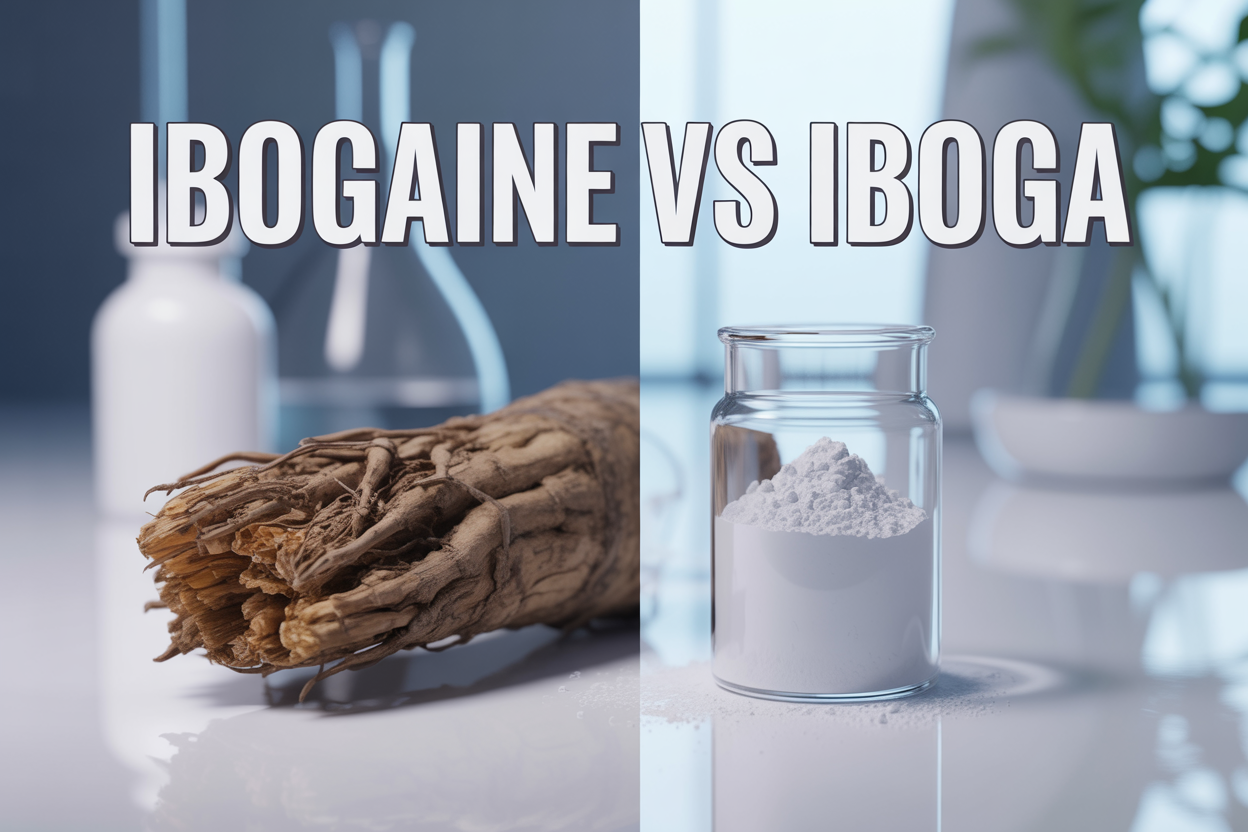
Understanding the difference between ibogaine vs iboga can be confusing for people considering psychedelic therapy for addiction recovery or mental health treatment. This guide is for individuals researching these substances, healthcare providers exploring alternative treatments, and anyone curious about the therapeutic potential of these African-derived compounds.
Ibogaine is the purified alkaloid extracted from the iboga root bark, while iboga refers to the whole plant containing multiple alkaloids. Both show promise for treating substance addiction and trauma, but they differ significantly in potency, safety profiles, and accessibility.
We’ll explore the key therapeutic benefits and medical applications of each option, helping you understand which might be more suitable for specific conditions. You’ll also learn about the important safety profiles and risk assessment considerations that separate these two approaches. Finally, we’ll break down the legal status and accessibility worldwide, since regulations vary dramatically between countries and can impact your treatment options.
Understanding the Basic Differences Between Ibogaine and Iboga
Chemical composition and active compounds
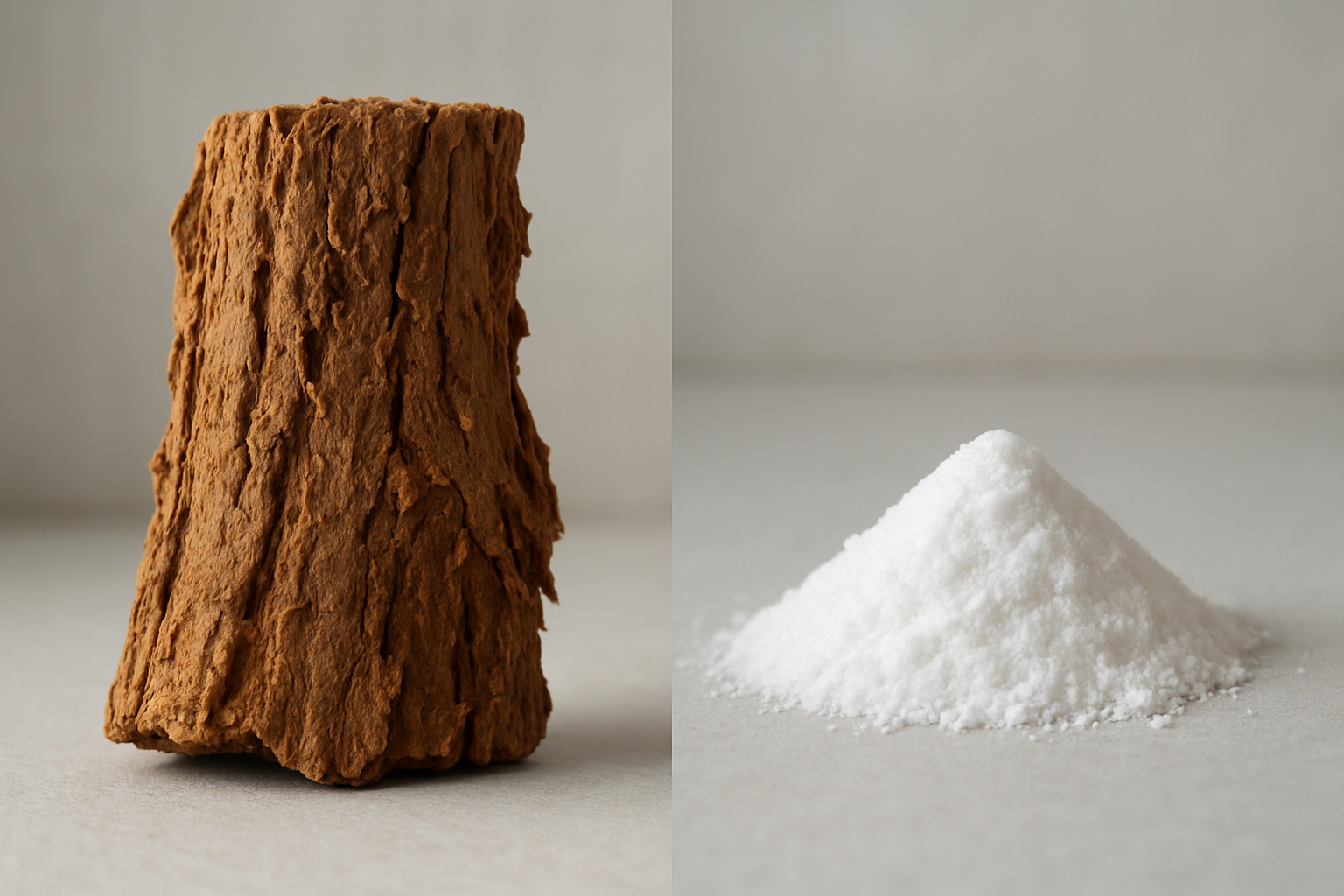
The main difference between ibogaine vs iboga comes down to what’s actually inside them. Iboga root bark contains over a dozen different alkaloids, with ibogaine making up roughly 1-5% of the total weight. Think of it like a complex cocktail where ibogaine is just one ingredient among many. The other alkaloids include ibogamine, ibogaline, voacangine, and coronaridine – each contributing to the overall experience.
Ibogaine, on the other hand, is a single, isolated compound. When scientists extract ibogaine from iboga root bark, they’re pulling out just that one specific alkaloid and concentrating it. This creates a much more predictable and standardized product, but it also removes all those other compounds that might work together in what researchers call the “entourage effect.”
| Component | Iboga Root Bark | Pure Ibogaine |
|---|---|---|
| Active compounds | 12+ alkaloids | 1 alkaloid |
| Ibogaine content | 1-5% | 95-99% |
| Predictability | Variable | Consistent |
| Natural cofactors | Present | Absent |
Natural plant form versus extracted alkaloid
Iboga comes straight from the Tabernanthe iboga plant’s root bark, which has been used for centuries in traditional ceremonies. When you take iboga, you’re consuming the whole plant material with all its natural compounds intact. This creates a more complex interaction in your body, similar to drinking whole coffee versus taking a pure caffeine pill.
The extraction process for ibogaine involves sophisticated chemistry to isolate and purify the compound. This pharmaceutical approach gives doctors and clinics much more control over dosing and effects, making ibogaine treatment more predictable for medical applications.
Potency levels and concentration variations
Here’s where things get really different. Iboga alkaloids in their natural form are much less concentrated, meaning you need larger amounts of plant material to achieve therapeutic effects. A typical ceremonial dose might involve several grams of root bark powder.
Pure ibogaine packs a much stronger punch. Medical facilities typically use doses measured in milligrams per kilogram of body weight, with effects that can last 12-36 hours. The concentration difference is dramatic – you might need 20-50 times more raw iboga material to match the potency of pure ibogaine.
Traditional use versus modern applications
Iboga has deep roots in Bwiti spiritual practices in Central and West Africa, where it’s used for healing, divination, and coming-of-age ceremonies. The plant is considered sacred, and its use follows specific cultural protocols passed down through generations.
Modern ibogaine medical applications focus primarily on addiction treatment, particularly for opioid dependency. Clinics around the world now offer structured ibogaine therapy benefits in controlled medical settings, complete with cardiac monitoring and medical supervision. This represents a significant shift from traditional ceremonial use to evidence-based medical treatment protocols.
Therapeutic Benefits and Medical Applications
Addiction Treatment Effectiveness Comparison
When comparing ibogaine vs iboga for addiction recovery, both substances show remarkable potential, but their therapeutic approaches differ significantly. Ibogaine treatment delivers a concentrated, standardized dose of the primary alkaloid, making it easier for medical professionals to monitor and adjust dosing protocols. Clinical studies report success rates between 60-80% for opioid addiction when patients complete ibogaine therapy under proper medical supervision.
Iboga root bark provides a more traditional, holistic approach that includes multiple alkaloids working synergistically. Traditional Bwiti practitioners have used iboga for centuries to help community members overcome substance dependencies, though scientific documentation remains limited compared to isolated ibogaine research.
The ibogaine therapy benefits include rapid detoxification from opioids, cocaine, alcohol, and other substances, often eliminating withdrawal symptoms within 24-48 hours. Patients frequently report reduced cravings that can last months or even years post-treatment. Iboga’s full alkaloid profile may offer longer-lasting effects due to the complex interaction between different compounds, though individual responses vary considerably.
Both options require careful medical screening since they can cause serious cardiac complications in certain patients. Success rates depend heavily on treatment setting, patient preparation, integration support, and underlying health conditions.
Mental Health and Depression Management
Ibogaine medical applications extend beyond addiction treatment into mental health management. Research indicates that ibogaine can help reset dysfunctional neural pathways associated with depression, anxiety, and trauma-related disorders. The compound appears to increase neuroplasticity, allowing the brain to form new, healthier neural connections.
Patients undergoing ibogaine treatment often experience profound shifts in perspective regarding their mental health challenges. The psychoactive experience can provide clarity about underlying emotional patterns and trauma that contribute to depression. Many report feeling emotionally “reset” after treatment, with improved mood stability lasting several months.
Iboga root bark offers a gentler approach to mental health support, with some practitioners preferring its more gradual effects for patients dealing with severe depression or anxiety. The plant medicine tradition emphasizes emotional healing through spiritual connection and self-reflection.
Clinical observations suggest both substances can be effective for treatment-resistant depression, particularly when combined with proper therapeutic support. However, these treatments should never replace conventional mental health care and require careful psychiatric evaluation before administration.
Spiritual and Psychological Healing Properties
The psychological healing potential of iboga alkaloids creates transformative experiences that go beyond symptom management. Patients often describe encountering deeply buried memories, gaining insights into behavioral patterns, and experiencing profound emotional releases during treatment. These psychological breakthroughs can catalyze lasting changes in self-perception and life direction.
Ibogaine’s mechanism involves multiple neurotransmitter systems, including serotonin, dopamine, and NMDA receptors, creating a unique psychological state that allows for deep introspection without the typical psychological defenses. This can lead to resolution of long-standing psychological conflicts and trauma.
Traditional iboga ceremonies emphasize spiritual healing through connection with ancestral wisdom and natural forces. Practitioners report that the full plant medicine facilitates a more gentle, guided spiritual journey compared to isolated ibogaine’s sometimes intense psychological confrontation.
Both substances can trigger significant psychological processing that continues weeks or months after treatment. Integration therapy becomes crucial for maximizing therapeutic benefits, helping patients understand and apply insights gained during their experience. The spiritual dimensions of healing often prove as important as the biochemical effects for achieving lasting recovery and psychological wellness.
Safety Profiles and Risk Assessment
Side Effects and Potential Complications
Both ibogaine and iboga carry significant health risks that require careful consideration. Ibogaine safety risks include potentially life-threatening cardiac arrhythmias, making heart monitoring absolutely essential during treatment. Common side effects include nausea, vomiting, ataxia (loss of coordination), and intense visual and auditory hallucinations that can last 12-36 hours.
Iboga root bark presents additional complications due to its unpredictable alkaloid concentrations. Users may experience prolonged psychoactive effects, severe gastrointestinal distress, and difficulty predicting onset times. The plant material also contains other compounds beyond ibogaine that can interact unpredictably.
Serious complications reported with both substances include:
-
Cardiac arrest and sudden death
-
Prolonged QT interval syndrome
-
Severe dehydration and electrolyte imbalances
-
Psychological destabilization and panic reactions
-
Seizures in predisposed individuals
Dosage Requirements and Administration Methods
Ibogaine vs iboga dosing presents stark differences in precision and predictability. Pharmaceutical ibogaine allows for exact milligram dosing, typically ranging from 15-25mg/kg body weight for addiction treatment. This precision enables medical professionals to calculate safer therapeutic windows.
Iboga root bark dosing remains largely guesswork. Alkaloid content varies dramatically between batches, ranging from 1-8% total alkaloids. Traditional preparations involve consuming 5-30 grams of root bark, but this approach makes dose control nearly impossible.
| Administration Method | Ibogaine | Iboga Root Bark |
|---|---|---|
| Precision | Exact milligram dosing | Highly variable |
| Onset Time | 30-60 minutes | 1-4 hours |
| Duration Control | Predictable 24-36 hours | Variable 12-72 hours |
| Titration Ability | Possible with medical supervision | Extremely difficult |
Medical Supervision Needs
Ibogaine treatment demands intensive medical monitoring throughout the entire experience. Cardiac monitoring with continuous ECG is non-negotiable, as fatal arrhythmias can occur without warning. Medical teams must include cardiologists familiar with ibogaine’s effects and emergency resuscitation equipment.
Professional ibogaine clinics maintain 24/7 medical supervision with:
-
Continuous cardiac monitoring
-
IV access for emergency medications
-
Electrolyte monitoring and correction
-
Blood pressure and oxygen saturation tracking
-
Trained staff for psychological support
Iboga ceremonies typically occur in non-medical settings, creating dangerous gaps in safety protocols. While traditional healers possess cultural knowledge, they lack medical training to handle cardiac emergencies or severe psychological reactions.
Contraindications and Health Screening Requirements
Both substances require extensive pre-treatment screening to identify high-risk individuals. Absolute contraindications include:
-
Heart disease or arrhythmia history
-
Liver dysfunction or hepatitis
-
Brain injury or seizure disorders
-
Severe mental illness including schizophrenia
-
Recent use of certain medications (SSRIs, MAOIs)
Ibogaine medical applications require comprehensive screening including:
-
Complete cardiac workup with ECG and echocardiogram
-
Liver function tests and hepatitis screening
-
Neurological assessment
-
Psychiatric evaluation
-
Medication history review
-
Family history of sudden cardiac death
Age restrictions typically exclude individuals over 65 and under 18 due to increased cardiac risks. Pregnancy absolutely contraindications both substances due to unknown fetal effects and maternal safety concerns.
The screening process for iboga ceremonies often lacks medical rigor, potentially exposing vulnerable individuals to life-threatening complications without proper risk assessment.
Legal Status and Accessibility Worldwide

Regulatory differences across countries
The ibogaine legal status varies dramatically worldwide, creating a complex landscape for those seeking treatment. In the United States, ibogaine is classified as a Schedule I controlled substance, making it illegal for therapeutic use. This classification puts it in the same category as heroin and LSD, despite growing research showing its potential benefits for addiction treatment.
Mexico has become a popular destination for ibogaine treatment due to its relatively permissive regulations. The country allows ibogaine therapy in licensed facilities, though it’s not specifically approved as a medicine. This regulatory gray area has allowed numerous treatment centers to operate legally.
Canada takes a more restrictive approach, classifying ibogaine as a controlled substance that requires special authorization for research or therapeutic use. Patients typically need to obtain special access through Health Canada’s Special Access Programme.
European countries show mixed approaches. The Netherlands allows ibogaine under medical supervision, while countries like France and Germany have banned it entirely. The United Kingdom permits ibogaine research but restricts clinical applications.
Iboga root bark faces different regulations than extracted ibogaine. Some countries that ban synthetic ibogaine may allow traditional iboga preparations, creating additional legal complexities for practitioners and patients.
| Country/Region | Ibogaine Status | Iboga Root Status | Treatment Availability |
|---|---|---|---|
| United States | Schedule I (Illegal) | Restricted | No |
| Mexico | Unscheduled | Allowed | Yes |
| Canada | Controlled | Restricted | Limited (SAP) |
| Netherlands | Regulated | Controlled | Yes |
| New Zealand | Prescription Only | Restricted | Limited |
Clinical trial availability and research status
Research into ibogaine vs iboga continues expanding globally, with several countries hosting clinical trials. The United States leads in research volume despite legal restrictions, with institutions like Johns Hopkins and NYU conducting FDA-approved studies on ibogaine’s addiction treatment potential.
Brazil has emerged as a significant research hub, conducting studies on both ibogaine and traditional iboga preparations. Their research focuses particularly on treating cocaine and crack addiction, problems that significantly impact Brazilian society.
New Zealand represents a unique case where ibogaine recently received approval for treating opioid addiction under strict medical supervision. This breakthrough followed years of clinical trials and represents the first Western country to formally approve ibogaine therapy benefits for addiction treatment.
Current research priorities include:
-
Optimizing dosing protocols for safety
-
Identifying ideal candidates for treatment
-
Developing screening methods to prevent cardiac complications
-
Studying long-term outcomes and relapse rates
-
Comparing effectiveness of ibogaine vs traditional iboga preparations
The research landscape continues evolving rapidly, with several Phase II and Phase III trials expected to conclude within the next three years. These studies may significantly impact global regulatory approaches to both substances.
Treatment center options and locations
Finding legitimate ibogaine treatment centers requires careful research due to varying quality standards and regulatory oversight. Mexico hosts the largest concentration of treatment facilities, with over 20 established centers operating in locations like Tijuana, Rosarito, and Puerto Vallarta.
These Mexican facilities range from basic clinics to luxury resort-style centers, with costs varying accordingly. Reputable centers typically employ medical doctors, maintain 24/7 monitoring capabilities, and follow established safety protocols for cardiac screening and emergency response.
Costa Rica offers several high-quality treatment options with strong medical oversight. The country’s stable healthcare infrastructure and proximity to the United States make it attractive for American patients seeking treatment.
The Netherlands provides limited but well-regulated options, with treatments typically conducted in clinical settings with extensive medical supervision. These programs often integrate ibogaine therapy with traditional addiction counseling and support services.
Key factors when evaluating treatment centers:
-
Medical staff credentials and 24/7 availability
-
Cardiac monitoring equipment and emergency protocols
-
Pre-treatment screening procedures
-
Integration with aftercare programs
-
Patient testimonials and outcome tracking
-
Facility accreditation and safety records
Treatment center options and locations continue expanding as more countries recognize the therapeutic potential of these substances. However, the lack of standardized regulations means patients must thoroughly research facilities and understand the legal implications of seeking treatment abroad.
Remote locations often provide better therapeutic environments but may lack immediate access to advanced medical facilities if complications arise. Urban centers typically offer better medical infrastructure but may present distractions during the intensive healing process.
Cost Analysis and Treatment Investment

Price Comparison Between Ibogaine and Iboga Treatments
The financial investment required for ibogaine treatment versus iboga therapy varies significantly across different treatment modalities. Pharmaceutical-grade ibogaine therapy typically costs between $15,000 to $30,000 at established medical facilities, while traditional iboga root bark ceremonies range from $3,000 to $8,000 in spiritual retreat settings.
Treatment centers offering standardized ibogaine vs iboga protocols often charge premium rates due to medical supervision requirements, advanced monitoring equipment, and pharmaceutical-grade substances. Underground or quasi-legal facilities may offer lower prices, ranging from $5,000 to $12,000, but come with increased safety risks and legal uncertainties.
| Treatment Type | Price Range | Medical Supervision | Location |
|---|---|---|---|
| Medical Ibogaine | $15,000-$30,000 | Full medical team | Licensed facilities |
| Traditional Iboga | $3,000-$8,000 | Spiritual guide only | Ceremonial settings |
| Hybrid Programs | $8,000-$15,000 | Basic medical support | Private clinics |
Iboga alkaloids in raw plant form cost significantly less than extracted ibogaine hydrochloride, but require longer treatment periods and additional ceremonial components that can increase overall expenses.
Insurance Coverage and Financial Assistance Options
Most health insurance providers don’t cover experimental addiction treatments, making ibogaine cost analysis a personal financial responsibility. However, some progressive insurance companies have begun pilot programs for alternative addiction therapies, particularly for treatment-resistant cases.
Several financing options exist for those seeking treatment:
-
Medical credit lines specifically designed for addiction treatment
-
Payment plans offered directly by treatment centers
-
Crowdfunding campaigns for personal medical expenses
-
Medical tourism packages that combine treatment with travel costs
-
Clinical trial participation which may reduce or eliminate costs
Some treatment centers offer sliding scale pricing based on financial need, while others provide work-exchange programs where participants contribute labor in exchange for reduced treatment costs. Veterans may qualify for specialized funding through certain non-profit organizations focused on alternative PTSD treatments.
Long-term Value and Success Rate Considerations
When evaluating ibogaine medical applications versus traditional iboga ceremonies, success rates play a crucial role in determining true value. Clinical studies suggest that medical-grade ibogaine treatment shows 60-80% initial success rates for opioid addiction, while traditional iboga ceremonies report similar but less documented outcomes.
The financial calculation extends beyond initial treatment costs. Successful intervention can eliminate ongoing expenses related to:
-
Prescription medications for addiction maintenance
-
Regular therapy sessions and counseling
-
Legal fees from addiction-related incidents
-
Lost income from inability to work
-
Healthcare costs from addiction-related health complications
Choosing ibogaine or iboga based purely on cost often proves shortsighted. Higher-priced medical programs typically offer better post-treatment support, reducing relapse rates and providing better long-term value. Treatment centers with comprehensive aftercare programs show relapse rates 40-60% lower than facilities offering only acute intervention.
Hidden Costs and Additional Expenses
Beyond headline treatment prices, several hidden expenses can substantially increase total investment. Pre-treatment medical evaluations, required for safe ibogaine therapy benefits, typically cost $1,000-$3,000 and include comprehensive cardiac testing, liver function panels, and psychological assessments.
Travel expenses often represent significant hidden costs, especially for international treatment. Many seeking legal ibogaine vs iboga options travel to countries like Mexico, Costa Rica, or New Zealand, where flights, accommodations, and extended stays can add $3,000-$7,000 to treatment costs.
Post-treatment expenses frequently catch participants off-guard:
-
Integration therapy sessions ($100-$200 per session)
-
Nutritional supplements for recovery support ($50-$150 monthly)
-
Follow-up medical testing ($500-$1,000)
-
Extended accommodation for recovery period ($1,000-$4,000)
-
Emergency medical care if complications arise ($2,000-$10,000)
Some treatment centers require deposits for potential medical emergencies, while others mandate companion travel, effectively doubling accommodation and travel costs. Research thoroughly to understand complete financial commitment before beginning any ibogaine treatment program.
Choosing the Right Option for Your Needs
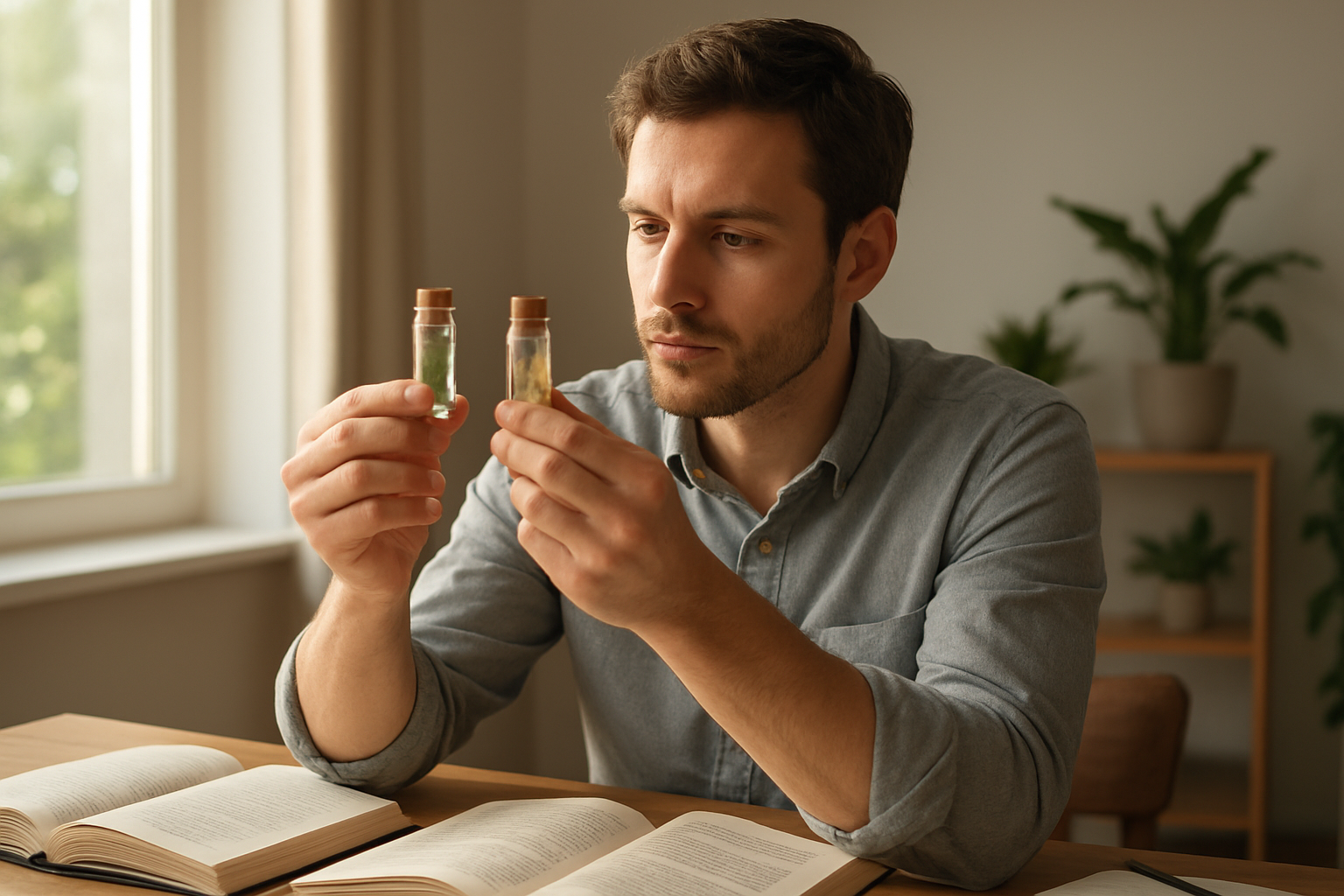
Personal health factors to consider
Your current health status plays a crucial role when deciding between ibogaine vs iboga. People with cardiovascular conditions need extra caution since both substances can affect heart rhythm and blood pressure. If you have any heart issues, arrhythmias, or take medications that influence cardiac function, ibogaine treatment requires careful medical screening and monitoring.
Liver function is another critical factor. Both ibogaine and iboga root bark are processed through the liver, so existing liver problems could complicate treatment. Your kidneys also need to be in good shape to handle the metabolic demands of these powerful alkaloids.
Mental health history matters too. While these treatments show promise for addiction and depression, certain psychiatric conditions might interact unpredictably with iboga alkaloids. Previous experiences with psychedelics, seizure disorders, and current medications all influence which option might work better for you.
Age and overall physical fitness affect how your body processes these substances. Older adults or those with compromised immune systems may need modified approaches or closer supervision during ibogaine therapy.
Treatment goals and expected outcomes
Your specific objectives determine whether choosing ibogaine or iboga makes more sense for your situation. If you’re seeking addiction treatment, particularly for opioids, ibogaine’s concentrated alkaloid profile often provides more predictable results. The purified compound offers standardized dosing that many treatment centers prefer for managing withdrawal symptoms and breaking addiction cycles.
Iboga root bark appeals to people wanting a more traditional, holistic experience. The full spectrum of plant compounds creates a different therapeutic journey that some find more spiritually meaningful. This approach works well for those seeking personal insight, trauma healing, or spiritual growth alongside addiction recovery.
Recovery timelines vary significantly between options. Ibogaine typically produces faster initial results for physical addiction, while iboga’s broader alkaloid profile might offer longer-lasting psychological benefits. Some people need multiple sessions regardless of which option they choose.
Consider your comfort level with different treatment intensities. Ibogaine provides a more controlled, medical environment, while iboga often involves deeper psychological work that can feel more challenging but potentially more transformative.
Professional guidance and consultation importance
Getting expert advice before making this decision isn’t optional—it’s essential for your safety and success. Qualified practitioners can assess your medical history, current health status, and treatment goals to recommend the most appropriate option. They understand the nuances of ibogaine safety risks and can help you avoid potentially dangerous situations.
Medical screening involves comprehensive testing including ECGs, blood work, and psychological evaluations. These assessments reveal contraindications you might not know about and help customize treatment protocols for your specific needs. Professional guidance also includes preparation strategies, dietary recommendations, and aftercare planning.
Experienced providers understand the ibogaine legal status in different regions and can connect you with legitimate, safe treatment options. They know which facilities maintain proper medical oversight and which to avoid.
Don’t try to navigate this decision alone or rely solely on online information. The complexity of these treatments requires personalized medical advice from professionals who specialize in psychedelic medicine. Your safety depends on working with people who understand both the therapeutic potential and serious risks involved in ibogaine vs iboga treatment options.

The choice between ibogaine and iboga comes down to your specific needs, circumstances, and access to proper medical support. Ibogaine offers a more controlled, standardized approach with clearer dosing and better integration into medical settings, while iboga provides the traditional plant experience with additional alkaloids that some believe enhance the healing process. Both carry significant risks and require careful consideration of safety protocols, legal restrictions in your area, and financial investment.
Your decision should involve consulting with experienced practitioners who can assess your medical history, current health status, and treatment goals. Don’t rush this choice – take time to research providers thoroughly, understand the legal landscape where you live, and ensure you have proper aftercare support in place. The path to healing through these powerful substances demands respect, preparation, and the right guidance to maximize benefits while minimizing risks.