
Ibogaine’s Legal Status by Country (2026)
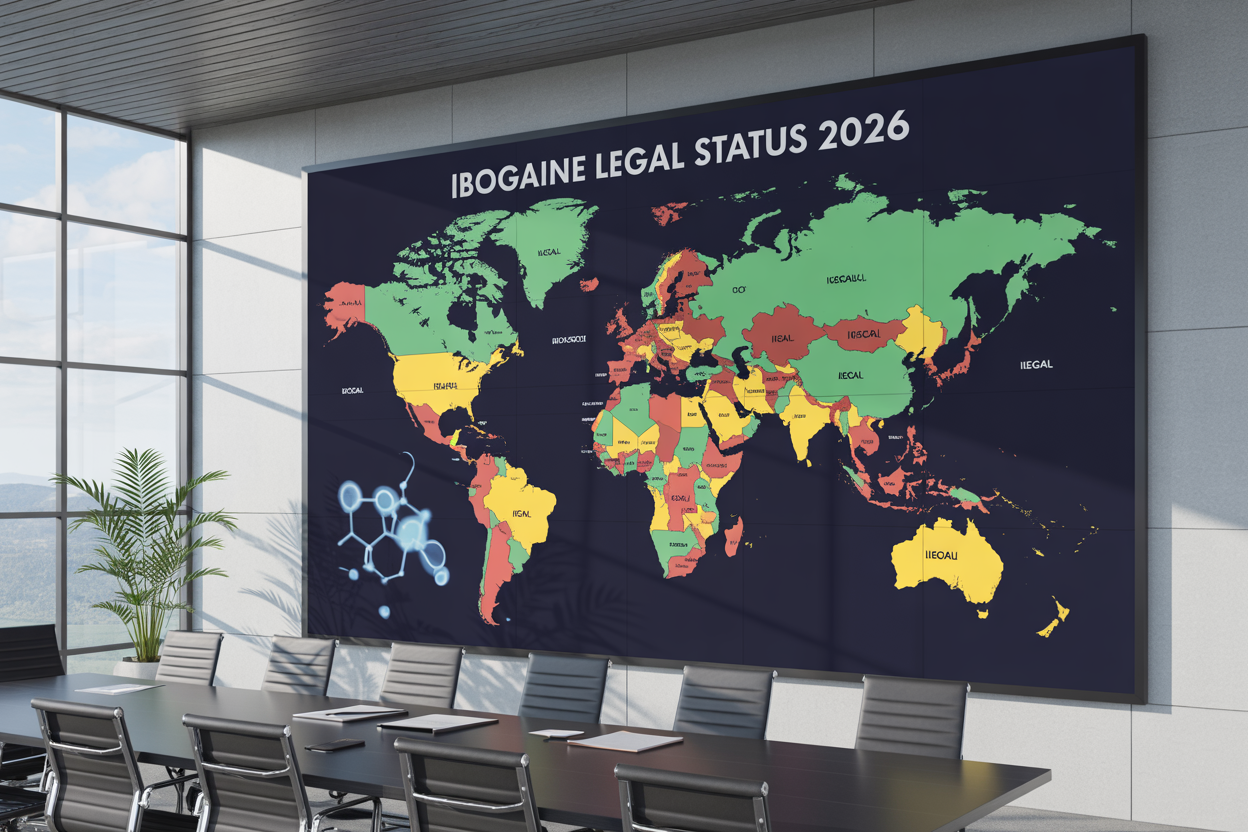
Navigating ibogaine’s legal status worldwide can feel like solving a puzzle with pieces scattered across different continents. This comprehensive guide breaks down where ibogaine treatment is legal, restricted, or completely banned as of 2026.
Whether you’re a healthcare professional researching treatment options, someone exploring addiction recovery alternatives, or a policy researcher tracking psychedelic medicine trends, understanding these complex regulations is crucial before making any decisions.
We’ll explore how different countries classify ibogaine under their drug laws, from Mexico’s unregulated approach to the United States’ Schedule I prohibition. You’ll also discover why many nations maintain strict ibogaine prohibitions despite growing research into its therapeutic potential, and what legal developments might reshape the global landscape in the coming years.
The legal patchwork surrounding ibogaine reflects broader debates about psychedelic medicine, patient access, and drug policy reform happening worldwide right now.
Understanding Ibogaine’s Global Legal Classification System

Unscheduled Status and Unrestricted Access
In countries with unscheduled status, ibogaine operates without regulatory classification as a controlled substance. Mexico exemplifies this approach, where ibogaine treatment is unregulated and clinics can provide ibogaine therapy without legal restrictions. This unscheduled framework has transformed Mexico into an attractive hub for ibogaine treatment, drawing individuals from countries with stricter regulations seeking alternative addiction treatments.
Similarly, Costa Rica maintains an unscheduled approach where iboga and its chemical derivative ibogaine are neither illegal nor formally regulated. Germany follows a comparable path, keeping ibogaine unregulated, though medical use can fall under pharmacy regulations (AMG). The Netherlands also permits ibogaine treatment through specific clinics with established guidelines, representing one of Europe’s more progressive stances on ibogaine therapy.
Controlled Legal Usage with Medical Supervision
Several countries have implemented controlled legal frameworks that permit ibogaine use under strict medical supervision. In Brazil, São Paulo legalized ibogaine for prescription use in hospital settings in 2016, with regulatory approval gradually expanding to other regions. Brazilian medical authorities recognize ibogaine’s potential in addiction recovery, allowing administration exclusively under clinical supervision.
Canada places ibogaine on the Prescription Drug List (PDL), making it available only through Health Canada’s Special Access Program, though access is rarely granted. This reflects a cautious yet open stance toward ibogaine’s therapeutic potential. South Africa classifies ibogaine as a Schedule 6 substance, enabling prescription with strict medical oversight and representing one of the few African countries recognizing ibogaine in modern medical treatment contexts.
New Zealand permits ibogaine as a non-approved prescription medicine, available at medical professionals’ discretion. Australia schedules ibogaine as a Schedule 4 substance under the Therapeutic Goods Administration, making it prescription-only medicine while remaining legal for possession and cultivation.
Decriminalized Possession Without Legal Distribution
Portugal stands as the primary example of decriminalized status, having decriminalized possession of all drugs, including ibogaine, since 2001. While decriminalization doesn’t legalize sale or clinical use, it eliminates criminal penalties for personal possession. Uruguay similarly maintains no criminalization for drug possession for personal use since 1974, with quantity limits left to judicial discretion regarding personal use intent.
This decriminalized approach creates potential space for ibogaine integration while avoiding criminalization of individuals, though it doesn’t establish frameworks for therapeutic distribution or clinical oversight.
Complete Prohibition and Criminal Penalties
Many countries maintain complete prohibition of ibogaine with criminal penalties. The United States classifies ibogaine as a Schedule I controlled substance, making possession, distribution, and use entirely illegal under federal law, with severe legal penalties including potential imprisonment.
European nations including France, Belgium, Norway, Sweden, and Ireland have banned ibogaine due to safety concerns and lack of clinical evidence. France specifically included ibogaine on controlled substances lists following a death connected to iboga use. Italy added both ibogaine and Tabernanthe iboga to Schedule 1 substances, with possession or distribution resulting in 2-12 months imprisonment.
Switzerland classifies ibogaine as a prohibited substance under federal narcotics law, while the United Kingdom includes it under the Psychoactive Substances Act 2016, making import, export, production, or supply criminal offenses. These strict prohibitions reflect regulatory concerns about safety, lack of clinical data, and potential for misuse.
Regional Legal Status Breakdown by Continent
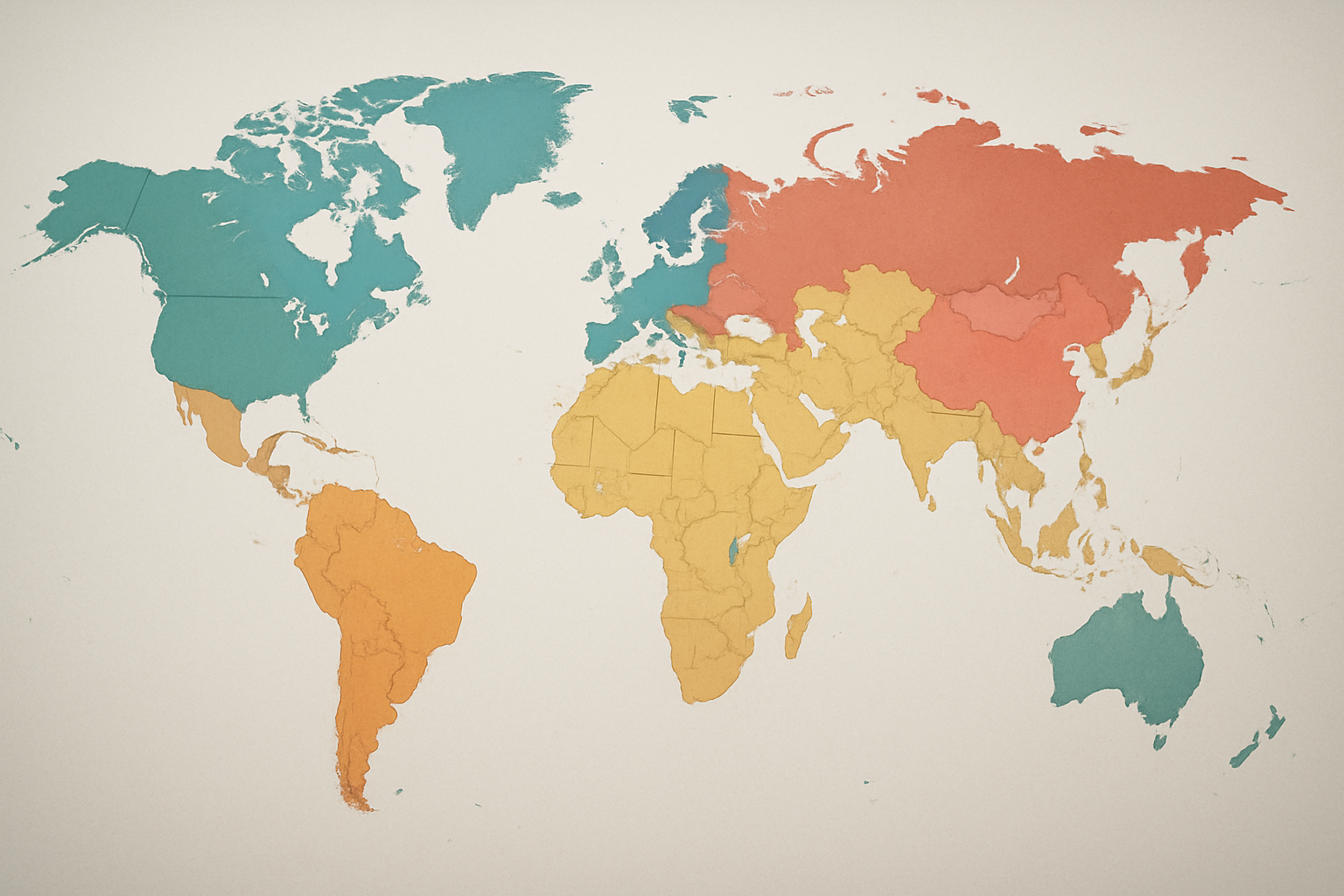
North America Regulations and Restrictions
United States: Ibogaine faces strict federal prohibition as a Schedule I substance, classifying it alongside drugs considered to have no medical value and high abuse potential. Despite this federal stance, several states are exploring research pathways, with evolving state legislation creating potential opportunities for future therapeutic applications. New York’s Senate Bill S1817 represents significant legislative progress, proposing research authorization for ibogaine in treating substance use disorders. Similarly, Texas introduced HB 3717, directing funds toward FDA clinical trials using ibogaine, signaling growing political interest in its therapeutic potential.
Canada: The regulatory landscape presents a more nuanced approach, with ibogaine listed on the Prescription Drug List since 2017. While sale and distribution remain restricted, Health Canada’s Special Access Program theoretically provides legal pathways for medical use, though access is rarely granted. This reflects Canada’s cautious but potentially open stance toward ibogaine’s therapeutic applications, balancing safety concerns with recognition of its medical potential.
Mexico: Mexico’s unregulated status for ibogaine has positioned the country as a primary destination for international treatment seekers. The absence of specific restrictions allows clinics to provide ibogaine treatment freely, creating an attractive hub for ibogaine therapy that draws individuals seeking alternative addiction treatments from countries where the substance remains prohibited.
South America’s Progressive Treatment Policies
South America demonstrates some of the world’s most progressive approaches to ibogaine legalization and medical integration. Brazil leads the region’s advancement, with São Paulo state legalizing ibogaine for prescription use in hospital settings in 2016. This groundbreaking legislation has gradually expanded regulatory approval to other parts of the country, with Brazilian medical authorities increasingly recognizing ibogaine’s potential in addiction recovery. The requirement for clinical supervision ensures safety while enabling therapeutic access.
Peru and Colombia present interesting case studies in regulatory ambiguity, with neither country maintaining specific national laws addressing ibogaine. This creates a legal gray area where ibogaine use exists without clear prohibition or regulation. Some clinics operate discreetly within these jurisdictions, though the lack of formal regulation also means absence of safety oversight and standardized treatment protocols.
Uruguay maintains its historically progressive drug policy stance, remaining one of few countries that never criminalized drug possession for personal use. Since 1974, Uruguay’s law establishes no quantity limits for personal use, leaving judicial discretion to determine intent, which extends to ibogaine possession and potentially therapeutic use.
Europe’s Divided Approach to Psychedelic Medicine
European ibogaine legality reflects the continent’s fragmented approach to psychedelic medicine, with significant variations between neighboring countries. Portugal stands as Europe’s most progressive example, having decriminalized possession of all drugs, including ibogaine, since 2001. While decriminalization doesn’t legalize clinical use or distribution, it creates potential space for ibogaine integration within harm reduction frameworks.
The Netherlands demonstrates Europe’s most accommodating clinical approach, allowing ibogaine treatment in specific clinics under established guidelines. This represents one of Europe’s most progressive therapeutic stances, though recent legal cases involving practitioner liability have highlighted ongoing safety and regulatory concerns.
Conversely, several European nations maintain strict prohibitions. Belgium, France, Norway, Sweden, and Ireland have banned ibogaine due to safety concerns and perceived lack of clinical evidence. France’s 2007 inclusion of ibogaine on controlled substance lists followed a death connected to iboga use, demonstrating how safety incidents influence regulatory decisions. Germany presents an intermediate position where ibogaine remains unregulated but subject to pharmacy rules for medical applications.
Asia’s Strict Anti-Narcotics Enforcement
Asia’s regulatory landscape reflects the region’s traditionally strict approach to psychoactive substances, with most countries maintaining prohibitive stances toward ibogaine. Drug enforcement across Asia is notoriously stringent, making ibogaine use rare and often actively prohibited under broader anti-narcotics legislation.
China exemplifies Asia’s restrictive approach, treating ibogaine as illegal under comprehensive anti-narcotics laws. Like most psychoactive substances, ibogaine possession or distribution faces severe legal consequences, making any therapeutic application implausibly risky and highly illegal.
India presents a complex regulatory void where no official ban exists, yet no recognized legal pathway for clinical or therapeutic use has been established. This regulatory ambiguity creates considerable legal uncertainty for potential treatment providers or patients, effectively discouraging ibogaine therapy development despite the absence of explicit prohibition.
Africa’s Cultural and Medical Recognition
Africa’s approach to ibogaine reflects both traditional cultural practices and emerging modern medical applications. Gabon, as the indigenous home of Tabernanthe iboga, maintains unique cultural protections for the plant. While ibogaine isn’t formally regulated, iboga enjoys social acceptance for traditional spiritual ceremonies of the Bwiti people. Gabon’s 1994 cultural protection law requires Culture Ministry approval for exporting any iboga tree products, demonstrating governmental recognition of the plant’s cultural significance.
South Africa represents Africa’s most progressive medical stance, classifying ibogaine as a Schedule 6 substance. This classification enables prescription use under strict medical oversight, making South Africa one of few African countries recognizing and utilizing ibogaine in modern medical treatment contexts. The South African Medicine Control Council’s 2016 resolution allows licensed medical professionals to prescribe ibogaine under specific conditions regarding prescription, production, import, and export.
Australia and Oceania’s Research-Based Regulations
The Oceania region demonstrates varied approaches balancing research interests with safety concerns. Australia maintains restrictive policies with ibogaine classified as Schedule 9, making it illegal except for authorized scientific research. Despite this prohibition for clinical or personal use, Australia’s 2010 scheduling as Schedule 4 on the Therapeutic Goods Administration poisons list creates prescription-only medicine status, though ibogaine remains uncontrolled under federal laws for possession and cultivation.
New Zealand stands as the region’s most permissive jurisdiction, where ibogaine isn’t classified as a controlled substance. The 2009 gazetting as a non-approved prescription medicine allows medical professionals discretionary prescribing authority. This regulatory freedom has enabled clinics to operate legally and offer ibogaine-assisted therapy, making New Zealand an accessible destination for therapeutic treatment within a regulated medical framework.
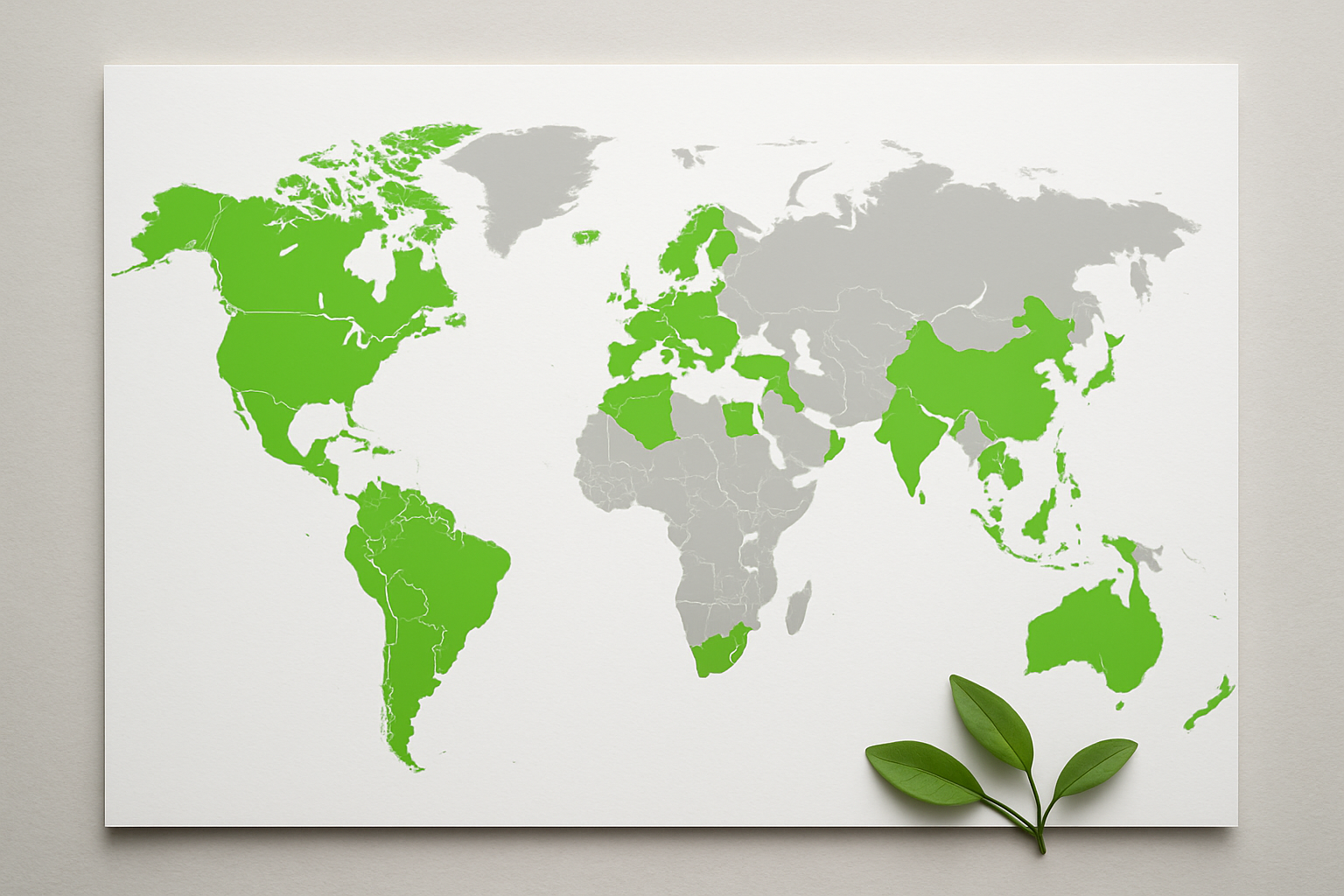
Countries Where Ibogaine Treatment is Currently Legal
Mexico’s Unregulated Clinic Operations
Mexico stands as one of the most accessible destinations for ibogaine treatment, as the substance remains completely unregulated within the country’s borders. This unscheduled status allows clinics to provide ibogaine therapy without federal restrictions, making Mexico an attractive hub for individuals seeking alternative addiction treatments. The absence of regulatory oversight has enabled numerous treatment facilities to operate freely, offering services to both domestic and international patients seeking ibogaine-assisted therapy for substance use disorders.
Brazil’s Hospital-Based Prescription Program
Brazil has taken a measured approach to ibogaine legality by implementing a structured medical framework. In 2016, the state of São Paulo pioneered the legalization of ibogaine for prescription use specifically within hospital settings. Brazilian medical authorities have recognized the substance’s potential in addiction recovery, permitting its administration under strict clinical supervision. This regulatory approval has gradually expanded to other regions of the country, establishing Brazil as a leader in medically supervised ibogaine treatment within South America.
South Africa’s Schedule 6 Medical Oversight
South Africa classifies ibogaine as a Schedule 6 substance, enabling prescription access under rigorous medical oversight. This classification represents one of the most structured regulatory approaches among African nations, allowing healthcare professionals to prescribe ibogaine while maintaining strict safety protocols. The Schedule 6 designation ensures that ibogaine treatment occurs within a controlled medical environment, balancing therapeutic access with necessary safety measures.
New Zealand’s Prescription-Based Access
New Zealand offers a progressive regulatory framework where ibogaine is not classified as a controlled substance, making it available for prescription at medical professionals’ discretion. This regulatory freedom has enabled clinics to operate legally while providing ibogaine-assisted therapy to patients. The country’s approach demonstrates how flexible regulations can support therapeutic innovation while maintaining professional medical oversight.
Netherlands’ Progressive Treatment Centers
The Netherlands maintains one of Europe’s most progressive stances on ibogaine treatment, allowing specific clinics to operate with established guidelines. Several treatment centers function legally within the country, providing supervised ibogaine therapy under regulated conditions. This approach reflects the Netherlands’ broader philosophy of harm reduction and evidence-based drug policy, creating opportunities for therapeutic applications while ensuring appropriate safety measures.
Why Many Countries Maintain Ibogaine Prohibitions

Safety Concerns and Cardiac Risk Factors
Multiple countries maintain ibogaine prohibitions primarily due to documented cardiac risks and fatal outcomes. Research has established a clear link between ibogaine use and potentially fatal cardiac complications, with case reports demonstrating cardiac arrest and sudden death occurring within hours of administration.
Clinical evidence reveals that ibogaine inhibits human Ether-à-go-go-Related Gene (hERG) channels, which play a crucial role in cardiac action potential repolarization. This mechanism can lead to QT prolongation, with documented cases showing QTc intervals increasing from normal ranges to dangerously elevated levels of 588 milliseconds. The cardiac toxicity manifests as bradycardia, arrhythmias including torsade de pointes, and in severe cases, complete cardiac arrest.
A comprehensive review identified 19 worldwide deaths attributed to ibogaine from 1990 to 2008, with 6 specifically listing cardiac complications as contributing factors. These fatalities typically occur within 72 hours of ibogaine use, consistent with the drug’s highly lipophilic nature and slow release from brain and adipose tissue storage sites.
The documented case of a 40-year-old man who suffered fatal cardiac arrest within 8 hours of taking 4 grams of ibogaine exemplifies these risks. Despite having no significant medical history or family cardiac problems, he experienced asystole, cerebral edema, and brain death following ibogaine administration for heroin withdrawal.
Limited Large-Scale Clinical Research Data
The absence of controlled clinical trials represents a fundamental barrier to ibogaine legalization across many jurisdictions. Despite decades of anecdotal reports suggesting anti-addictive properties, no formal human studies have been completed to establish ibogaine’s safety and efficacy profile.
The FDA approved a Phase I clinical trial in 1993, but this study was never completed due to contractual disputes, limited funding, and mounting safety concerns. NIDA committed several million dollars to ibogaine research between 1991 and 1995, but the program was terminated before generating sufficient clinical data to support therapeutic applications.
Current evidence relies heavily on case reports, small case series, and animal studies, which cannot provide the rigorous safety and efficacy data required for regulatory approval. This limited evidence base makes it impossible for health authorities to conduct proper risk-benefit analyses or establish appropriate dosing protocols and safety monitoring procedures.
The lack of standardized treatment protocols, quality control measures, and systematic adverse event reporting further complicates regulatory decision-making. Without large-scale clinical trials demonstrating both safety and efficacy, most countries cannot justify removing ibogaine from controlled substance schedules.
Regulatory Classification Challenges
Ibogaine’s complex pharmacological profile creates significant regulatory classification difficulties for drug control authorities worldwide. The compound acts on multiple neurotransmitter systems simultaneously, including opioid, serotonin, muscarinic, and nicotinic receptors, making it difficult to categorize within existing drug classification frameworks.
Between 1967 and 1970, the World Health Assembly classified ibogaine alongside hallucinogens and stimulants as a “substance likely to cause dependency or endanger human health.” This broad classification was implemented despite limited understanding of ibogaine’s unique mechanisms of action and therapeutic potential.
In the United States, ibogaine was classified as a Schedule I controlled substance in 1970, placing it in the most restrictive category alongside substances considered to have high abuse potential and no accepted medical use. This classification occurred before substantial research into its anti-addictive properties had been conducted.
The regulatory challenge is compounded by ibogaine’s dual nature as both a traditional sacrament used in African religious ceremonies and a substance with potential medical applications. Different countries have struggled to balance respect for traditional use with public health concerns, leading to inconsistent regulatory approaches globally.
Misuse and Substance Abuse Prevention
Although animal self-administration studies indicate ibogaine does not maintain reliable drug self-administration patterns or produce withdrawal syndromes after chronic administration, regulatory authorities remain concerned about potential misuse scenarios.
The underground lay provider treatment setting presents particular regulatory challenges, where non-medical personnel administer ibogaine illegally without proper medical monitoring. This uncontrolled use occurs despite ibogaine’s documented toxicity profile and association with fatalities, creating public health risks that regulators seek to prevent through prohibition.
The ease of internet access to ibogaine compounds regulatory efforts, with thousands of online results offering clinic locations or direct purchase options. This accessibility circumvents traditional pharmaceutical distribution controls and quality assurance measures that ensure substance purity and proper dosing.
Regulatory authorities also express concern about ibogaine’s classification alongside other psychoactive substances that were banned during the 1960s drug control era. The historical association with recreational psychedelics influences current policy positions, even though ibogaine’s pharmacological profile and reported effects differ significantly from classical hallucinogens.
The potential for unregulated ibogaine use to increase alongside the ongoing opioid epidemic creates additional regulatory pressure to maintain prohibitive controls until comprehensive safety and efficacy data become available through properly conducted clinical trials.
Future Legal Developments and Emerging Trends

Ongoing Clinical Research Impact on Policy
The growing body of FDA-approved clinical research on ibogaine is creating significant policy momentum across multiple jurisdictions. Texas leads this movement with its groundbreaking $50 million allocation for FDA-supervised clinical trials, as established through Senate Bill 2308 signed by Governor Greg Abbott in June 2025. This substantial funding demonstrates how states are leveraging clinical evidence to drive legislative change, with Texas now partnering with drug developers and leading research institutions to establish comprehensive safety protocols before beginning participant enrollment.
Arizona followed suit with a $5 million investment through House Bill 2871, specifically targeting ibogaine research for veterans with PTSD and traumatic brain injury. The state has actively released requests for proposals to fund phase I clinical trials, showing how dedicated research funding is transforming from legislative concept to operational reality. These state-level investments signal a broader trend where clinical research outcomes are directly influencing policy decisions and regulatory frameworks.
State-Level Legislative Changes in the United States
The United States is experiencing unprecedented state-level legislative activity around ibogaine legalization and research authorization. Colorado represents the most progressive approach, with Proposition 122 (the Natural Medicine Health Act) passed in November 2022, decriminalizing ibogaine possession, cultivation, and sharing for adults over 21. The state is now developing regulatory infrastructure to potentially include ibogaine in its natural medicine program, which could make Colorado the first state to offer legal ibogaine services.
Nevada’s Assembly Bill 378 proposes establishing a facilitated access system for ibogaine, initially limited to military veterans and first responders with diagnosed mental health conditions. This targeted approach reflects emerging trends toward conditional legalization based on specific populations and medical needs. The bill’s bipartisan support, with 24 sponsors representing over one-third of the legislature, demonstrates growing political consensus around therapeutic ibogaine access.
Oregon’s House Bill 3817 aims to establish a comprehensive medical market for ibogaine treatment, though implementation faces practical challenges since iboga plants don’t grow natively in the state. This highlights the complex logistical considerations states must address when developing ibogaine programs, including federal import licensing requirements and synthetic alternative development.
Global Therapeutic Outcome Influence on Restrictions
While the reference content primarily focuses on U.S. developments, the documented success of established ibogaine treatment programs is influencing global policy discussions. New Zealand’s classification of ibogaine as a prescription medicine demonstrates how therapeutic outcomes can lead to regulatory acceptance under medical supervision. Mexico’s unregulated approach, which allows clinic-based addiction treatment, continues to provide real-world evidence of ibogaine’s therapeutic potential.
The compilation of positive treatment outcomes from these accessible jurisdictions is creating pressure for policy reform in countries maintaining strict prohibitions. As clinical data accumulates from both formal research settings and established treatment centers, policymakers worldwide are increasingly challenged to reconcile prohibition policies with mounting evidence of therapeutic benefits.
International Treatment Tourism Considerations
The current patchwork of international ibogaine laws has created a significant treatment tourism market that influences policy discussions in prohibitive jurisdictions. Mexico’s position as a primary destination for ibogaine therapy, due to its unregulated status, demonstrates how legal disparities create cross-border treatment seeking behavior.
This treatment tourism reality forces policymakers to consider whether maintaining prohibition simply exports potential therapeutic benefits to other countries while denying access to their own citizens. States like California are responding by streamlining approval processes for federally authorized clinical research through expedited review procedures, as established in Assembly Bill 1103 signed by Governor Newsom in October 2025.
The economic implications of treatment tourism are also becoming policy considerations, as jurisdictions recognize the potential revenue and medical tourism benefits of establishing regulated ibogaine therapy programs. This economic dimension adds practical urgency to policy reform discussions beyond purely therapeutic considerations.

As we’ve seen throughout 2026, ibogaine’s legal status remains a complex patchwork of regulations that vary dramatically across countries and continents. While some nations like Mexico, New Zealand, Brazil, and parts of South Africa have embraced its therapeutic potential with varying degrees of regulation, many others continue to maintain strict prohibitions due to safety concerns and insufficient clinical research. The divide between countries recognizing ibogaine’s promise in treating substance use disorders and those maintaining cautious restrictions reflects the ongoing tension between emerging psychedelic medicine and traditional drug policy frameworks.
The future trajectory of ibogaine’s legal status will largely depend on the evolution of clinical research and the accumulation of safety data from supervised treatment settings. As more countries observe positive therapeutic outcomes and establish proper medical oversight protocols, we may witness a gradual shift toward more permissive regulations. For individuals seeking ibogaine treatment, it remains crucial to thoroughly research the legal status in their destination country, verify clinic credentials, and ensure compliance with both local laws and safety protocols. The landscape continues to evolve, making it essential to stay informed about changing regulations and emerging treatment opportunities.