
National Caffeine Awareness Month: Balancing the Buzz

March marks National Caffeine Awareness Month, the perfect time to examine your relationship with coffee, energy drinks, and other caffeinated favorites. If you’re a student burning through late-night study sessions or a working professional juggling deadlines, caffeine likely plays a starring role in your daily routine.
This guide is for anyone who wants to understand their caffeine habits better and find healthier ways to stay energized. You might be the person who can’t function without morning coffee, someone experiencing afternoon crashes, or just curious about whether your current intake is working for or against you.
We’ll explore how caffeine affects your body differently than others and why some people need more (or less) to feel alert. You’ll discover practical strategies to optimize your energy levels throughout the day without relying solely on your next cup of joe. Finally, we’ll cover realistic steps to gradually reduce your caffeine intake if you’re ready to break free from the cycle of highs and crashes.
Your goal isn’t to eliminate caffeine entirely—it’s about finding the right balance that supports your energy, focus, and overall well-being.
Understanding Your Personal Caffeine Response

How Neurodiversity Affects Caffeine Metabolism
Individual responses to caffeine vary dramatically due to genetic differences in brain chemistry and liver metabolism. Research reveals that around 10 percent of the population carries genes linked to higher caffeine tolerance, allowing them to consume large amounts late in the day without experiencing unwanted wakefulness or side effects. Conversely, people with heightened hypersensitivity cannot tolerate even small amounts without experiencing negative reactions.
The underlying mechanism involves genetic variations in the ADORA2A gene, which causes some individuals to have an amplified reaction to caffeine’s effects. These variations affect how powerfully and for how long caffeine impacts the nervous system. Additionally, genetics influence liver enzyme production, specifically CYP1A2, which plays a crucial role in metabolizing caffeine. People with caffeine sensitivity produce less of this enzyme, causing them to process and eliminate caffeine more slowly from their system, making its impact more intense and longer-lasting.
Age also significantly affects caffeine metabolism. Research demonstrates that older adults clear caffeine from their bodies 33% slower than younger participants, with coffee drinkers between ages 65-70 requiring significantly more time to metabolize the same amount of caffeine. This slower clearance rate means habitual coffee consumption can have amplified effects as we age.
Recognizing Your Individual Tolerance Levels
Most people fall within three distinct categories of caffeine sensitivity. The majority have normal sensitivity, tolerating up to 400 milligrams daily without adverse effects – equivalent to two to four 5-ounce cups of coffee. However, it’s not recommended to exceed 600 milligrams daily for anyone.
People with high caffeine sensitivity should greatly reduce or completely eliminate their intake. While some highly sensitive individuals consume no caffeine at all, others can tolerate small amounts averaging 30 to 50 milligrams daily. For reference, a 5-ounce cup of green tea contains around 30 milligrams of caffeine, while decaffeinated coffee averages just 2 milligrams.
Several factors influence individual tolerance levels, including gender, age, weight, medications, and herbal supplements. Certain medications like theophylline and herbal supplements including ephedrine and echinacea can amplify caffeine’s effects. To accurately assess your tolerance, maintain a daily log of food and drug intake, as caffeine appears in many products including medications and supplements beyond obvious sources like coffee and tea.
Identifying Signs of Caffeine Dependency
People with caffeine sensitivity experience distinct symptoms that differ from normal caffeine responses or allergic reactions. When sensitive individuals consume caffeine, they experience an intense adrenaline rush, feeling as if they’ve consumed five or six cups of espresso after just a few sips of regular coffee. Since they metabolize caffeine more slowly, symptoms persist for several hours.
Key symptoms of caffeine sensitivity include racing heartbeat, headaches, jitters, nervousness or anxiousness, restlessness, and insomnia. These symptoms are distinctly different from caffeine allergy symptoms, which include itchy skin, hives, throat or tongue swelling, and in severe cases, difficulty breathing and anaphylaxis.
Caffeine withdrawal is a recognized disorder that can cause headache, anxiety, insomnia, and depression, indicating physical dependence. As adenosine levels build up in the brain throughout the day, we naturally become more tired. Caffeine blocks adenosine receptors, preventing fatigue signals while impacting feel-good neurotransmitters like dopamine. This interference with natural sleep-wake cycles can create dependency patterns where individuals require caffeine to feel normal rather than energized.
For older adults experiencing new caffeine sensitivity, amounts between 50-100 milligrams are generally well-tolerated, suggesting a need to limit consumption to one cup daily or switch to half-caffeine blends to manage emerging sensitivity while maintaining some caffeine intake.
The Science Behind Caffeine’s Impact on Your Body
Proven Health Benefits for Moderate Users
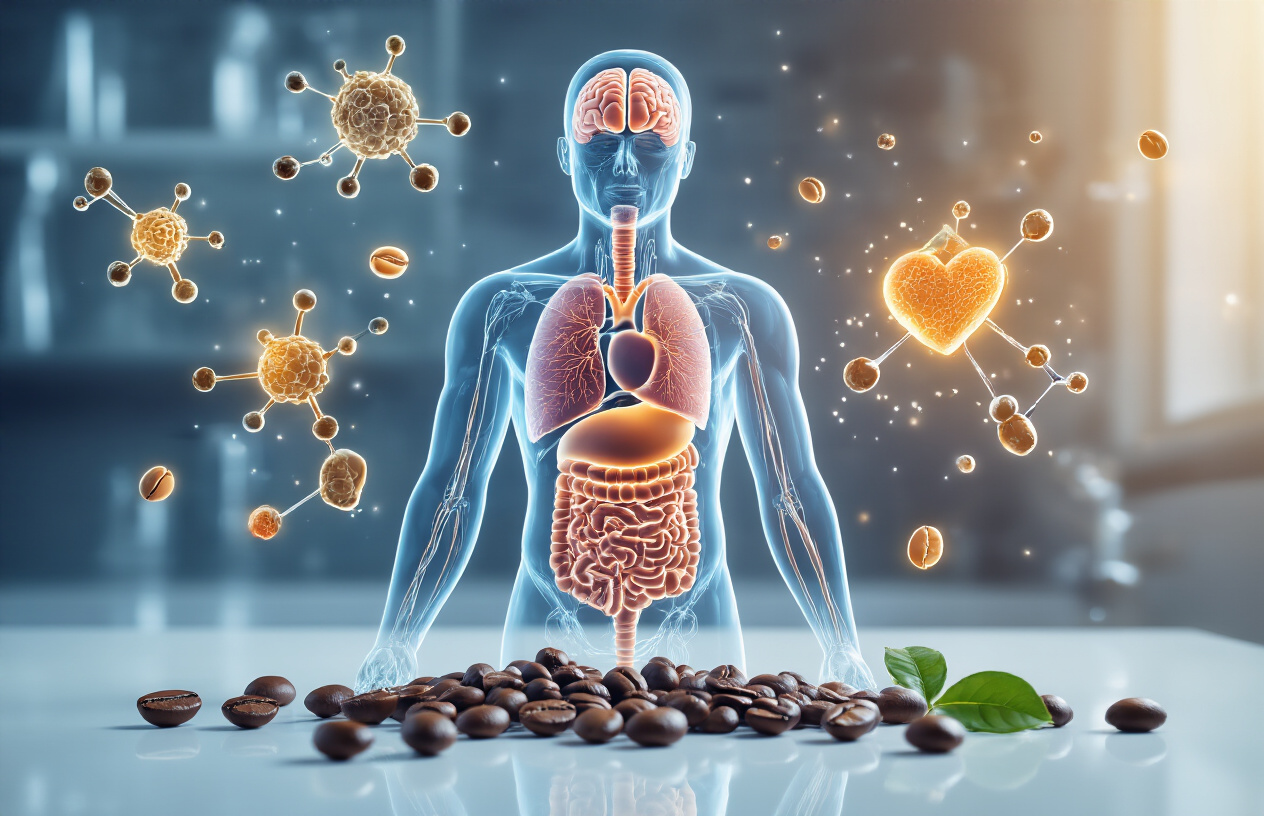
Research demonstrates that caffeine, when consumed in moderate amounts, exhibits significant neuroprotective properties that can benefit human health. Studies have consistently shown that caffeine may serve as a preventive measure against neurodegenerative conditions, particularly Alzheimer’s and Parkinson’s disease. This protective effect stems from caffeine’s action as a purine alkaloid that interacts beneficially with various body systems.
The therapeutic properties of caffeine extend beyond neurological protection. Medical research has identified caffeine’s healing potential in treating specific conditions such as asthma, where it can help improve respiratory function. These benefits highlight caffeine’s dual role as both a daily stimulant and a compound with genuine medicinal value when used appropriately.
Serious Risks of Excessive Daily Consumption
Now that we’ve covered the positive aspects, it’s crucial to understand that excessive caffeine intake poses significant health risks to certain populations. Research clearly indicates that overconsumption creates particularly dangerous effects in vulnerable groups, including individuals with hypertension, children, adolescents, and elderly populations.
For people with existing cardiovascular conditions, especially those with high blood pressure, excessive caffeine can exacerbate symptoms and create additional health complications. The stimulant effects that provide benefits at moderate doses become problematic when consumption exceeds recommended limits, potentially leading to increased heart rate, elevated blood pressure, and other cardiovascular stress responses.
Children and adolescents face unique risks from high caffeine consumption due to their developing nervous systems and smaller body mass, which means they process caffeine differently than adults. Similarly, elderly individuals may experience heightened sensitivity to caffeine’s effects, making them more susceptible to adverse reactions even at lower doses.
Why the Energy Crash Happens and How to Avoid It
With this understanding of caffeine’s complex effects in mind, the phenomenon of energy crashes becomes clearer through examining caffeine’s pharmacokinetics and action mechanisms. The crash occurs due to how our body processes and metabolizes caffeine over time, creating a predictable cycle of stimulation followed by fatigue.
Understanding caffeine’s interaction with our body systems reveals why timing and dosage are critical factors in maintaining stable energy levels. The pharmacological effects of caffeine follow specific patterns that, when properly managed, can help minimize the dramatic energy fluctuations many people experience.
Smart Caffeine Strategies for Students and Professionals

Optimal Timing for Maximum Productivity
Now that we understand personal caffeine responses, let’s explore strategic timing to maximize productivity benefits. The key lies in working with your body’s natural rhythms rather than against them.
Wait 1-2 hours after waking before consuming your first caffeinated beverage. When you first wake up, cortisol levels are naturally high, providing natural alertness. Drinking coffee immediately can interfere with this process, potentially reducing caffeine’s effectiveness. By waiting, you allow cortisol levels to stabilize, making caffeine more impactful for energy and focus.
For sustained energy throughout the day, consider moderating your intake by spreading smaller servings over time. Instead of consuming one large coffee that leads to crashes, try 6-8 oz of drip coffee or a single shot of espresso every few hours. This approach helps maintain steady energy levels without overstimulation.
Plan your mid-afternoon coffee strategically for the natural energy slump that occurs 6-7 hours after waking. This well-timed boost can recharge your focus and productivity, especially for mentally demanding tasks. Pairing this with a short break maximizes the impact, as studies show combining caffeine with brief rest enhances alertness and cognitive function.
Set a caffeine cut-off time 8-10 hours before bedtime to protect sleep quality. Since caffeine’s half-life is 5-6 hours, late afternoon consumption can disrupt evening rest if you’re caffeine-sensitive.
Combining Caffeine with Proper Hydration
With optimal timing established, proper hydration becomes crucial for maintaining caffeine’s benefits while minimizing negative effects. Coffee acts as a diuretic, causing your body to lose water, which can counteract the focus and energy benefits you’re seeking.
Make sure to drink plenty of water alongside your coffee to stay hydrated. Dehydration can lead to fatigue, headaches, and decreased cognitive performance – exactly the opposite of what you want from your caffeine intake. A good rule is to match each cup of coffee with an equal amount of water throughout the day.
Proper hydration also helps your body process caffeine more effectively, reducing the likelihood of jitters and anxiety. When you’re well-hydrated, caffeine absorption becomes more stable, leading to smoother energy delivery rather than sharp spikes and crashes.
Alternative Energy Boosters Beyond Coffee
Previously, we’ve focused on coffee optimization, but expanding beyond traditional caffeine sources can provide additional productivity benefits. Consider incorporating these alternatives into your routine:
Green tea offers a gentler caffeine boost with L-theanine, which promotes calm alertness without the jitters often associated with coffee. This combination is particularly beneficial for sustained focus during long work sessions.
For important meetings, presentations, or study sessions, consume caffeine 20-30 minutes before the activity. Caffeine reaches peak effectiveness within this timeframe, improving alertness, memory retention, and mental preparation. This timing helps you recall details more easily and stay engaged during critical moments.
Experiment with your routine by tracking caffeine intake alongside productivity levels, energy, and sleep quality. Some individuals benefit from limiting caffeine to morning and early afternoon, while others find success with smaller doses spread throughout the day. Pay attention to when you feel most focused and alert, as well as any instances of crashes or overstimulation.
Creating Sustainable Energy Without Overreliance

Using Exercise as a Natural Stimulant
Exercise serves as one of the most effective natural alternatives to caffeine for boosting energy and alertness. When you engage in physical activity, your body increases blood flow and oxygen delivery to all organs, including the brain, creating a natural energizing effect similar to what many people seek from their morning coffee. This physiological response provides sustained energy without the potential side effects associated with caffeine overconsumption, such as anxiety, tremors, or the inevitable crash.
The energy boost from exercise comes from your body’s natural processes rather than external stimulants. Regular physical activity enhances cardiovascular efficiency, improves oxygen utilization, and releases endorphins that naturally elevate mood and focus. Unlike caffeine’s quick but short-lived boost, exercise provides longer-lasting energy benefits that can carry you through hours of productive work or study.
Prioritizing Quality Sleep Over All-Nighters
Now that we’ve established exercise as a natural energizer, it’s crucial to address the foundation of sustainable energy: quality sleep. Many people rely heavily on caffeine to compensate for poor sleep habits, creating a cycle where caffeine consumption interferes with sleep quality, leading to increased dependence on stimulants the following day.
Quality sleep naturally restores your body’s energy reserves and optimizes cognitive function. When you consistently get adequate rest, your natural alertness levels remain higher throughout the day, reducing the need for external stimulants. The reference content emphasizes that caffeine can cause insomnia, creating a counterproductive cycle where the very substance people use for energy actually undermines their natural energy production through sleep disruption.
Breaking free from all-nighters and caffeine dependence requires recognizing that sustainable energy comes from working with your body’s natural rhythms rather than against them. Quality sleep enhances memory consolidation, improves decision-making abilities, and maintains stable energy levels throughout the day.
Building Healthy Daily Routines for Lasting Focus
With exercise and sleep as your foundation, building comprehensive daily routines creates the structure needed for sustained energy and focus. The research highlights that many people crave the “pick-me-up” effect of caffeine when they feel tired or sluggish, often relying on these quick fixes throughout the day. However, establishing healthy routines addresses the root causes of energy fluctuations.
Incorporating nutrient-dense alternatives into your daily routine can provide natural energy without caffeine dependence. The reference content mentions several options that can be integrated into daily habits: nuts provide protein and essential fats for sustained energy, while smoothies made from whole fruits and vegetables offer natural sugars and vitamins that support steady energy levels throughout the day.
Creating consistent meal timing, regular hydration habits, and structured work-rest cycles helps maintain stable blood sugar and energy levels. When your daily routine supports natural energy production through proper nutrition, hydration, and activity patterns, your reliance on external stimulants naturally decreases. This approach builds lasting focus and productivity that doesn’t depend on caffeine’s temporary effects.
Practical Steps to Reduce Your Caffeine Intake

Gradual Reduction Techniques That Actually Work
The key to successfully reducing caffeine intake lies in taking a slow, methodical approach rather than quitting cold turkey. Clinical dietitians recommend cutting back gradually over a 4- to 6-week period to minimize withdrawal symptoms. If you currently drink 4 cups of coffee daily, start by reducing to 3 cups for a week or two before moving down to 2 cups.
Another effective strategy involves replacing one of your daily caffeinated beverages with a half-regular, half-decaf mixture. This approach allows your body to slowly adapt to lower caffeine levels while maintaining your familiar routine. Research shows that even after as little as three days of caffeine exposure, withdrawal symptoms can occur, making gradual reduction essential for comfort and success.
Before beginning any reduction plan, track your current caffeine intake by logging what you consume and noting how you feel afterward. Search for the caffeine content in your favorite drinks and document symptoms like headaches, agitation, or stomach issues. This baseline information helps you spot patterns and create a realistic reduction timeline tailored to your specific needs.
Healthier Beverage Alternatives to Try
Replacing caffeinated drinks with satisfying alternatives is crucial for maintaining your beverage routine while reducing caffeine dependency. Herbal teas offer an excellent substitute, providing warmth and flavor without the stimulating effects. Popular options include chamomile, peppermint, and rooibos teas, which can be enjoyed hot or iced.
Sparkling water provides the refreshing sensation many people crave from carbonated caffeinated beverages. You can enhance plain sparkling water with fresh fruit, herbs like mint, or a splash of natural fruit juice for added flavor variety.
Decaffeinated coffee remains an option for those who love the taste and ritual of coffee drinking, though it’s important to remember that decaf still contains small amounts of caffeine. For a completely caffeine-free experience, consider chicory coffee, herbal coffee blends, or grain-based coffee substitutes.
Water should become your primary beverage during the reduction process. Many people who cut out coffee forget to replace the liquid intake, leading to dehydration that can worsen withdrawal symptoms. Increase your water consumption significantly while transitioning away from caffeinated beverages.
Managing Withdrawal Symptoms During Transition
Caffeine withdrawal symptoms typically begin 12 to 24 hours after cessation, peak at 20-51 hours, and can last anywhere from 2 to 9 days. Common symptoms include headaches (experienced by about 50% of people), fatigue, decreased alertness, drowsiness, difficulty concentrating, irritability, and feeling mentally foggy.
Staying well-hydrated is one of the most effective ways to minimize withdrawal headaches. Since many people reduce their overall fluid intake when cutting back on coffee, deliberately increasing water consumption helps counteract dehydration-related symptoms.
Over-the-counter analgesic medications can effectively treat withdrawal headaches when they occur. For gastrointestinal symptoms like nausea or vomiting, over-the-counter medications provide relief. Constipation, frequently reported during withdrawal, can be managed by increasing dietary fiber consumption or using over-the-counter medications that promote bowel function.
Physical activity serves as a natural energy booster during the transition period. Replace your usual afternoon coffee break with a brisk walk, preferably outdoors. The combination of physical movement and fresh air improves mood and energy levels without requiring caffeine stimulation.
Adequate rest and sleep become even more important during withdrawal. Your body is adjusting to functioning without its usual stimulant, so allowing extra time for rest supports the healing process and reduces the severity of fatigue and mood-related symptoms.
Making Informed Choices About Decaf and Low-Caffeine Options

Understanding What “Decaffeinated” Really Means
Previously, I’ve discussed various aspects of caffeine consumption, but now it’s crucial to understand what “decaffeinated” actually means when making informed choices. Decaffeinated coffee isn’t completely caffeine-free, as many people assume. While regular coffee contains approximately 95mg of caffeine per cup, decaf coffee still retains trace amounts of caffeine – typically between 2-5mg per cup.
The decaffeination process removes about 97% of the original caffeine content, but complete elimination isn’t achievable with current methods. This is particularly important for individuals who are especially sensitive to stimulants or those attempting to go completely caffeine-free during a detox period. If you’re trying to slowly wean off coffee, decaf can serve as a transitional option, but it shouldn’t be considered a truly caffeine-free alternative.
For those committed to eliminating caffeine entirely from their diet, understanding these trace amounts becomes essential. Even small quantities can affect sleep patterns or interfere with detox goals, especially when consuming multiple cups throughout the day. The cumulative effect of these trace amounts can add up, potentially maintaining some level of caffeine dependency rather than breaking the cycle completely.
Exploring Natural Coffee Alternatives Like Chicory
With this understanding of decaf’s limitations in mind, let’s explore truly caffeine-free alternatives that can satisfy your coffee cravings. Several natural substitutes provide the dark, rich flavors coffee lovers seek without any caffeine content.
Mushroom elixirs have gained significant popularity as coffee alternatives. Products like Four Stigmatic’s Lion’s Mane variety offer an earthy, coffee-like taste while providing focus-enhancing benefits. These powdered blends simply require adding hot water and deliver a superfood boost with antioxidants and nutrients that regular coffee lacks.
Chicory and barley-based alternatives like Teeccino provide another excellent option. These products come in convenient tea bag formats and closely mimic coffee’s robust flavor profile. The dandelion dark roast variety offers particular appeal for those seeking that familiar bitter edge. However, individuals with gluten sensitivities should verify that their chosen blend isn’t made from barley.
Herbal options extend beyond traditional coffee substitutes. Rooibos tea presents a naturally caffeine-free option with an earthy flavor that pairs well with milk, creating latte-like beverages. This South African red bush tea provides antioxidants while delivering the warming, satisfying experience many seek in their morning routine.
Cacao-based lattes offer another compelling alternative, providing the dark, rich flavors reminiscent of coffee while delivering antioxidant benefits. Raw cacao creates satisfying warm beverages that hit the same taste receptors as coffee without any stimulant effects.
Finding the Right Balance for Your Lifestyle
Now that we’ve covered the various alternatives available, the next step involves determining which options best fit your individual lifestyle and health goals. The key lies in understanding your personal motivations for reducing caffeine and matching alternatives to your specific needs.
For individuals slowly transitioning away from regular coffee, a gradual approach works most effectively. Start by replacing one daily cup with a mushroom elixir or chicory blend, allowing your taste buds to adjust while maintaining familiar rituals. This method prevents the shock of complete elimination while introducing new flavors gradually.
Those dealing with hormonal imbalances, sleep issues, or digestive problems may benefit from complete caffeine elimination, including avoiding decaf options. In these cases, herbal alternatives like rooibos chai or golden milk lattes provide warming, satisfying beverages without any stimulant interference.
Consider your daily routine when selecting alternatives. If you rely on coffee’s social aspects or need something portable for busy mornings, opt for convenient options like Teeccino tea bags or powdered mushroom elixirs that travel well and prepare quickly.
The warming aspect of your morning beverage plays a crucial role, especially if you’ve relied on coffee to stimulate digestion. Cold smoothies or overnight oats straight from the refrigerator can slow digestive processes, while warm alternatives like golden milk or herbal teas support healthy gut function.
Experiment with different options to discover what satisfies both your taste preferences and lifestyle requirements. Some people find success combining multiple alternatives – perhaps enjoying a mushroom elixir for focus during work hours and switching to rooibos-based drinks in the evening. The goal is creating sustainable habits that support your overall wellness objectives while maintaining the comforting rituals you value.
Conclusion

Finding your personal sweet spot with caffeine isn’t about eliminating it entirely – it’s about establishing a healthy, sustainable relationship with this powerful stimulant. By understanding how your body responds to caffeine, implementing smart timing strategies, and exploring natural energy alternatives, you can maintain productivity without falling into the trap of dependency or experiencing the dreaded afternoon crash.
This March, use National Caffeine Awareness Month as your opportunity to reassess your current habits. Whether that means cutting back from five cups to three, switching to green tea in the afternoons, or simply drinking more water throughout the day, small changes can lead to significant improvements in your energy levels and overall well-being. Remember, caffeine is a tool to enhance your performance – not a crutch to replace proper sleep, hydration, and self-care. Take control of your caffeine intake, and let it work for you rather than against you.




Cool Post.