
The Physical Effects of Drug Withdrawal During Ibogaine Therapy
The Physical Effects of Drug Withdrawal During Ibogaine Therapy
Drug withdrawal symptoms can feel overwhelming, but understanding what happens during ibogaine therapy helps you prepare for the journey ahead. This guide is designed for people considering ibogaine treatment, their families, and healthcare providers who want to understand the physical changes that occur during this unique addiction therapy.
Ibogaine therapy creates a different withdrawal experience compared to traditional detox methods. While your body still goes through the process of eliminating substances, ibogaine appears to interrupt typical withdrawal patterns in ways that many patients find more manageable.
We’ll walk you through what withdrawal symptoms look like before treatment begins and how ibogaine changes the usual detox timeline. You’ll also learn about the specific physical changes people experience during therapy sessions and practical strategies for managing intense symptoms. Finally, we’ll cover what to expect during recovery and how your body heals in the weeks following treatment.
This information helps you make informed decisions about ibogaine therapy and sets realistic expectations for the physical aspects of your healing process.
Understanding Drug Withdrawal Symptoms Before Ibogaine Treatment

Common Physical Withdrawal Symptoms Across Different Substances
Drug withdrawal creates a cascade of physical symptoms that vary dramatically depending on the substance involved, but share common patterns of physiological distress. Opioid withdrawal typically produces flu-like symptoms including severe muscle aches, nausea, vomiting, diarrhea, and intense cravings. The body temperature regulation becomes completely disrupted, causing alternating chills and hot flashes that can persist for weeks.
Alcohol withdrawal presents its own dangerous constellation of symptoms. Tremors begin within hours of the last drink, often progressing to more severe complications like seizures or delirium tremens. Heart palpitations, excessive sweating, and anxiety create a perfect storm of physical chaos that can become life-threatening without proper medical supervision.
Stimulant withdrawal, while less physically dangerous, creates profound exhaustion and depression. Cocaine and methamphetamine users experience crushing fatigue, increased appetite, and sleep disturbances that can last for months. The brain’s reward system becomes so depleted that normal activities lose all appeal.
Benzodiazepine withdrawal stands out as particularly treacherous. Users face months of hypersensitivity to light, sound, and touch. Panic attacks become frequent, and the nervous system remains hyperactivated for extended periods. Sleep becomes nearly impossible, creating a vicious cycle of exhaustion and anxiety.
Each substance leaves its unique fingerprint on the nervous system, but all create similar patterns of dysregulation that traditional medical approaches struggle to address comprehensively.
Timeline and Intensity of Withdrawal Without Medical Intervention
Withdrawal follows predictable timelines that healthcare providers use to anticipate symptom progression, but individual experiences vary wildly based on usage patterns, body composition, and overall health status. Short-acting substances like heroin create acute symptoms within 6-8 hours, peaking around day three before gradually subsiding over 7-10 days. Long-acting opioids like methadone delay symptom onset but extend the acute phase for several weeks.
| Substance | Onset Time | Peak Intensity | Duration |
|---|---|---|---|
| Heroin | 6-12 hours | 48-72 hours | 7-10 days |
| Alcohol | 6-24 hours | 24-72 hours | 5-7 days |
| Cocaine | 1-3 hours | 24-72 hours | 7-14 days |
| Benzodiazepines | 1-4 days | 1-2 weeks | 2-8 weeks |
The intensity curve rarely follows a smooth decline. Many people experience waves of symptoms that seem to improve before returning with renewed vigor. This unpredictable pattern makes self-detox attempts particularly challenging and dangerous.
Post-acute withdrawal syndrome extends these timelines significantly. Brain chemistry remains disrupted for months or even years, creating ongoing sleep problems, mood swings, and cognitive difficulties. This extended recovery phase explains why relapse rates remain so high even after successful completion of acute detox programs.
Medical supervision becomes crucial during certain withdrawal phases, especially for alcohol and benzodiazepines where seizures pose genuine threats to life. Even opioid withdrawal, while rarely fatal, creates such intense discomfort that most people cannot complete the process without pharmaceutical support.
Why Traditional Detox Methods Often Fall Short
Standard medical detox protocols focus primarily on managing acute physical symptoms rather than addressing the underlying neurochemical imbalances that drive addiction. Methadone maintenance simply substitutes one opioid for another, creating long-term dependence on a different substance. Suboxone provides partial opioid receptor activation but leaves many users feeling trapped in pharmaceutical dependence for years or decades.
Benzodiazepine tapers, while medically necessary, often stretch over months or years without addressing the psychological components of addiction. Many people complete these extended tapers only to relapse because their brain chemistry remains fundamentally altered. The tapering process itself becomes a form of prolonged torture that tests even the most motivated individuals.
Alcohol detox typically involves a brief hospital stay with benzodiazepines to prevent seizures, followed by discharge to outpatient programs. This approach addresses immediate medical dangers but does nothing to reset the brain’s reward pathways or eliminate cravings that drive relapse behavior.
Traditional methods also ignore the spiritual and psychological aspects of addiction that many people describe as central to their experience. Twelve-step programs acknowledge these components but lack the medical tools to address the physical brain changes that perpetuate addictive behaviors.
The failure rate of conventional treatment approaches exceeds 90% for most substances, creating a revolving door of detox admissions, relapses, and progressively worsening health outcomes. Insurance systems often limit treatment to brief detox stays that barely scratch the surface of addiction’s complex neurochemical foundation.
How Ibogaine Interrupts the Standard Withdrawal Process
Ibogaine’s Unique Neurochemical Action on Addiction Pathways
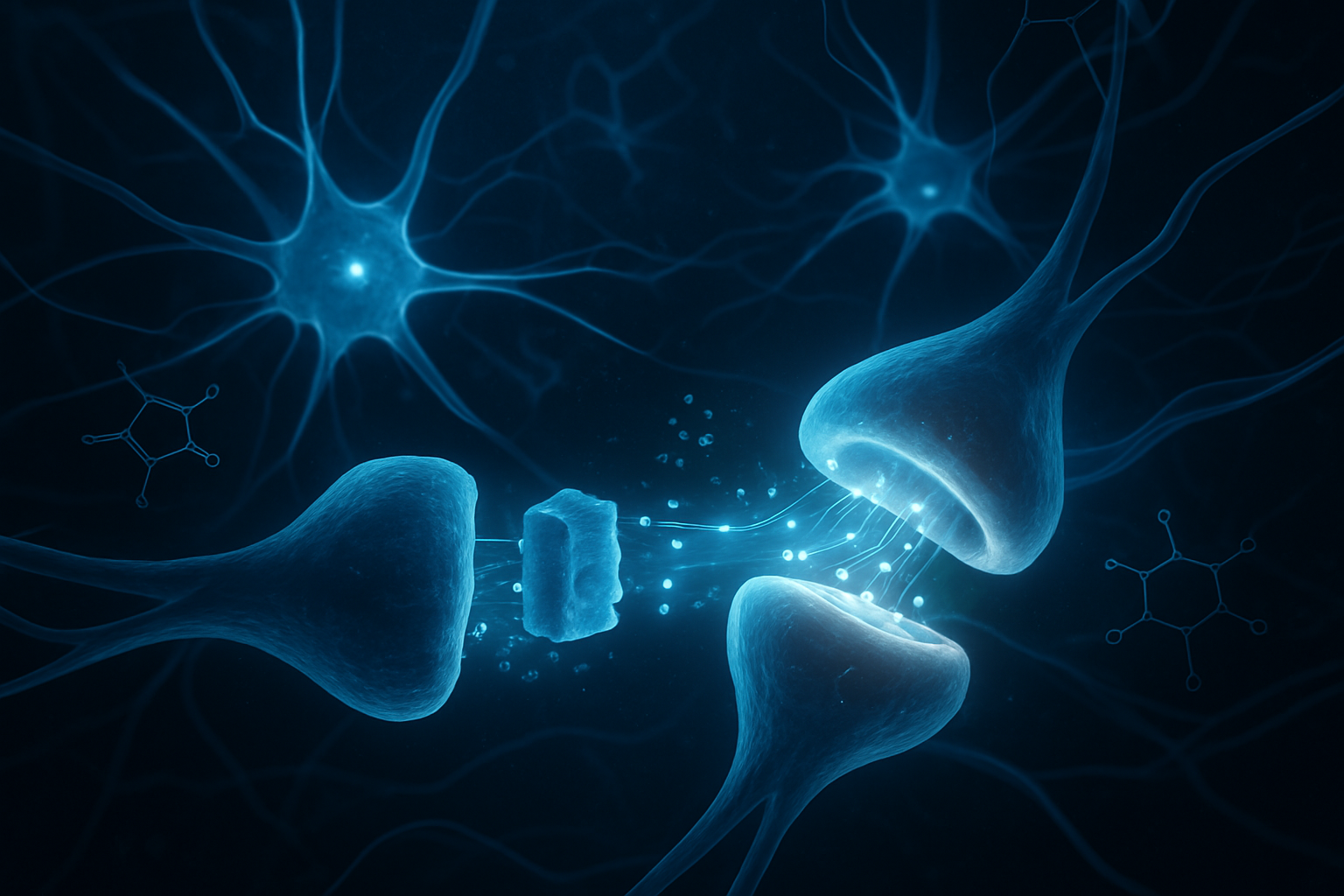
Ibogaine works differently from any other addiction treatment because it targets multiple neurotransmitter systems at once. While most addiction medications focus on just one pathway, ibogaine acts like a master key that unlocks several brain receptors simultaneously. The compound primarily affects the NMDA receptors in your brain, which play a huge role in how your nervous system learns and remembers patterns – including addiction patterns.
When someone uses drugs repeatedly, their brain creates strong neural pathways that essentially hardwire the addiction. Ibogaine disrupts these pathways by blocking NMDA receptors and creating what researchers call a “reset” state. During this process, the brain temporarily loses access to those deeply ingrained addiction memories and cravings.
The compound also interacts with serotonin, dopamine, and opioid receptors, creating a comprehensive neurochemical intervention. This multi-target approach explains why ibogaine can address various types of substance dependencies, from opioids to stimulants, all through one treatment protocol.
Resetting Neurotransmitter Balance During Treatment
Your brain’s chemical messengers get severely disrupted during active addiction. Dopamine levels drop, serotonin becomes imbalanced, and your natural opioid system stops working properly. Ibogaine acts like a neurochemical reset button, forcing these systems back toward their original baseline.
The treatment appears to restore dopamine sensitivity in the reward pathways. People who’ve been chasing the next high suddenly find that normal activities feel rewarding again. This happens because ibogaine temporarily shuts down the overactive reward circuits, giving them time to recalibrate.
Your serotonin system also gets a major overhaul during treatment. Many people report dramatic mood improvements that last well beyond the initial therapy session. The compound seems to repair damage done by chronic drug use, restoring the brain’s natural ability to produce feelings of well-being and emotional stability.
Blocking Withdrawal Symptoms at the Receptor Level
Traditional withdrawal happens because your brain screams for the substance it’s become dependent on. Ibogaine essentially muffles that scream by occupying the same receptors that would normally demand drugs. When ibogaine binds to opioid receptors, it prevents the severe physical symptoms that typically make withdrawal unbearable.
The compound provides what scientists call “receptor coverage” – it keeps the withdrawal symptoms from fully manifesting while your brain adjusts to functioning without drugs. Unlike other medications that simply mask symptoms, ibogaine actually interrupts the biological processes that create withdrawal in the first place.
This receptor-level intervention explains why many people report minimal physical discomfort during ibogaine treatment, even when they would normally experience severe withdrawal symptoms. The compound provides a biological bridge that allows the brain to transition from dependence to independence without the usual suffering.
Differences from Other Addiction Treatment Medications
Standard addiction medications like methadone, Suboxone, or naltrexone work on single pathways and often require long-term maintenance. Ibogaine takes a completely different approach by addressing the entire addiction network in your brain during one intensive session.
| Treatment Type | Duration | Mechanism | Dependency Risk |
|---|---|---|---|
| Methadone | Long-term | Opioid replacement | High |
| Suboxone | Long-term | Partial opioid agonist | Moderate |
| Naltrexone | Ongoing | Opioid blocker | Low |
| Ibogaine | Single session | Multi-receptor reset | Minimal |
Most conventional treatments manage addiction symptoms rather than addressing root causes. Ibogaine actually appears to reverse some of the brain changes caused by chronic drug use. While other medications keep you stable in recovery, ibogaine aims to restore your brain to a pre-addiction state.
The compound’s ability to work across different types of addiction also sets it apart. Whether someone struggles with heroin, cocaine, alcohol, or prescription drugs, ibogaine can potentially address the underlying neurochemical imbalances that drive all forms of substance dependency.
Physical Changes Experienced During Ibogaine Therapy Sessions

Cardiovascular Effects and Heart Rate Monitoring Requirements
Ibogaine profoundly affects the cardiovascular system, making continuous monitoring absolutely critical during treatment sessions. The alkaloid can cause significant arrhythmias, including QT prolongation, which increases the risk of potentially fatal heart rhythm disturbances. Patients typically experience fluctuations in heart rate and blood pressure throughout the treatment period.
Medical facilities administering ibogaine therapy maintain strict cardiac monitoring protocols, including continuous EKG surveillance and regular blood pressure checks. The cardiovascular effects often begin within the first few hours of administration and can persist for 12-24 hours. Baseline cardiac assessments are mandatory before treatment, as pre-existing heart conditions significantly increase risks.
Blood pressure changes vary considerably between patients, with some experiencing hypertension while others develop hypotensive episodes. These cardiovascular fluctuations require immediate medical intervention when they fall outside safe parameters. The intensity of cardiac effects often correlates with the dosage administered and the individual’s overall health status.
Gastrointestinal Responses and Digestive System Changes
The digestive system undergoes dramatic changes during ibogaine therapy sessions. Nausea and vomiting are nearly universal experiences, typically beginning within 2-4 hours of administration. These symptoms can be severe and persistent, lasting throughout much of the active treatment period.
Many patients experience intense stomach cramping and diarrhea, which can lead to dehydration if not properly managed. The gastrointestinal distress often intensifies during the peak effects of the medicine, usually between hours 4-8 of the session. Anti-nausea medications are commonly administered, though their effectiveness varies among individuals.
Appetite suppression is another consistent feature, with most patients unable to consume solid foods for 24-48 hours post-treatment. The digestive system typically requires several days to return to normal functioning. Some patients report lingering gastrointestinal sensitivity for up to a week following treatment.
Sleep Pattern Disruptions and Recovery Cycles
Sleep architecture becomes severely disrupted during and after ibogaine treatment. The active phase of treatment typically lasts 12-36 hours, during which normal sleep becomes impossible due to the intense psychoactive effects. Patients remain in a dream-like state, experiencing vivid visions while maintaining some level of consciousness.
Following the acute phase, many individuals experience a period called the “gray day,” characterized by extreme fatigue yet inability to achieve restful sleep. This phase can last 24-72 hours, during which patients feel physically and mentally exhausted but struggle with insomnia or fragmented sleep patterns.
REM sleep patterns remain altered for weeks following treatment. Many patients report unusually vivid dreams and changes in their typical sleep-wake cycles. Some experience improved sleep quality after the initial recovery period, while others require additional support to restore normal sleep patterns. The restoration of healthy sleep cycles is often considered a positive indicator of overall recovery progress.
Muscle Tension, Tremors, and Motor Function Variations
Motor function changes significantly during ibogaine therapy, with muscle tension and coordination issues being common experiences. Many patients develop tremors that can range from mild hand shaking to more pronounced whole-body trembling. These tremors typically peak during the active treatment phase and gradually subside over the following days.
Muscle rigidity and stiffness frequently occur, particularly in the neck, shoulders, and jaw areas. Some patients experience involuntary muscle contractions or spasms, which can be uncomfortable but are generally not dangerous when properly monitored. The intensity of these symptoms often reflects the severity of the underlying addiction and withdrawal state.
Coordination difficulties make walking and fine motor tasks challenging during treatment. Patients require assistance with basic activities and must remain under close supervision to prevent falls or injuries. Recovery of normal motor function typically begins within 24-48 hours, though some individuals experience lingering muscle weakness or coordination issues for several days.
Temperature Regulation and Sweating Patterns
Temperature regulation becomes significantly impaired during ibogaine treatment sessions. Patients frequently experience alternating episodes of profuse sweating followed by periods of feeling intensely cold. These temperature fluctuations can be dramatic and uncomfortable, requiring careful environmental controls and frequent clothing changes.
Hyperthermia poses a serious risk during treatment, as the body’s normal cooling mechanisms may become compromised. Medical staff monitor core body temperature regularly and implement cooling measures when necessary. Excessive sweating can lead to dehydration and electrolyte imbalances, making fluid replacement therapy essential.
The sweating patterns often correlate with the intensity of the psychoactive experience, typically peaking during the most intense visionary phases. Some patients experience cold sweats similar to traditional withdrawal symptoms, while others develop fever-like sweating episodes. Temperature regulation typically normalizes within 48-72 hours post-treatment, though some individuals may experience lingering temperature sensitivity for up to a week.
Managing Severe Withdrawal Symptoms with Ibogaine Protocol

Eliminating Opioid Withdrawal Syndrome Naturally
Ibogaine’s unique pharmacological properties make it remarkably effective at interrupting the opioid withdrawal cycle. The compound binds to multiple receptor sites in the brain, including those responsible for addiction and withdrawal symptoms. Most patients experience a dramatic reduction in classic opioid withdrawal symptoms within hours of receiving ibogaine.
The physical discomfort typically associated with opioid detox – including muscle aches, nausea, cramping, and restless leg syndrome – becomes significantly more manageable. Many individuals report that their withdrawal symptoms feel like they’ve been “turned off” rather than simply masked. This happens because ibogaine resets the brain’s neurochemical balance rather than temporarily covering symptoms.
Key benefits for opioid withdrawal include:
-
Complete elimination of cravings for 24-72 hours post-treatment
-
Reduced muscle tension and physical pain
-
Stabilized sleep patterns within the first week
-
Minimal gastrointestinal distress compared to traditional detox
-
Accelerated timeline from weeks to days
Medical monitoring during this phase focuses on vital signs, hydration levels, and comfort measures. The ibogaine protocol typically eliminates the need for substitute medications like methadone or buprenorphine, allowing for a direct transition to sobriety.
Reducing Alcohol Withdrawal Complications and Risks
Alcohol withdrawal presents unique medical challenges, particularly the risk of life-threatening seizures and delirium tremens. Ibogaine therapy addresses these complications through its neuroprotective properties and ability to stabilize brain chemistry during the critical detoxification period.
The compound’s action on GABA receptors helps prevent the dangerous rebound excitation that characterizes severe alcohol withdrawal. Patients typically experience fewer tremors, reduced anxiety, and better cardiovascular stability compared to conventional alcohol detox protocols. The risk of seizures drops significantly when ibogaine is administered under proper medical supervision with appropriate pre-screening.
Alcohol withdrawal improvements include:
-
Decreased tremor intensity and frequency
-
Reduced anxiety and panic episodes
-
Lower blood pressure fluctuations
-
Improved sleep quality despite initial insomnia
-
Minimal hallucinations or confusion
Medical teams closely monitor electrolyte levels, blood pressure, and neurological status throughout treatment. The protocol often includes nutritional support and hydration therapy to address the physical depletion common in alcohol dependency. Many patients find that their psychological relationship with alcohol shifts dramatically, making long-term recovery more achievable.
Addressing Stimulant Crash Symptoms and Energy Depletion
Stimulant withdrawal creates a unique set of challenges centered around extreme fatigue, depression, and cognitive impairment. Ibogaine helps restore dopamine function and other neurotransmitter systems damaged by chronic stimulant use, leading to faster recovery of normal energy levels and mood stability.
The crushing fatigue that typically follows stimulant cessation becomes less severe and shorter in duration. Patients report feeling more mentally clear and emotionally stable within days rather than weeks. The compound’s ability to repair neuronal damage helps restore natural energy production and motivation systems that stimulants have disrupted.
Stimulant recovery benefits include:
-
Reduced duration of extreme fatigue from weeks to days
-
Improved cognitive function and mental clarity
-
Stabilized mood without severe depression
-
Restored appetite and healthy sleep cycles
-
Decreased suicidal ideation and hopelessness
The treatment protocol for stimulant users often includes additional nutritional support to replenish depleted neurotransmitter precursors. Sleep architecture typically normalizes more quickly than with traditional detox methods, and the intense psychological cravings that drive relapse become much more manageable. Many patients describe feeling like their “old self” returns much sooner than expected.
Recovery Timeline and Physical Healing After Treatment

Immediate Post-Treatment Physical Adjustments
Your body enters a unique transitional state immediately after ibogaine treatment ends. The first 24-48 hours bring a distinctive set of physical sensations that differ dramatically from typical withdrawal experiences. Many people report feeling emotionally raw yet physically stable, as if their nervous system has been reset to factory settings.
Sleep patterns often remain disrupted during this initial period, though the quality of rest tends to improve compared to active withdrawal. Your appetite may fluctuate wildly – some days you’ll crave nourishing foods, while others you might struggle to eat anything substantial. This eating pattern normalizes within the first week as your digestive system recalibrates.
Physical coordination and balance can feel slightly off-kilter for the first few days. Simple tasks like walking up stairs or typing might require more conscious effort than usual. Your skin may appear pale or flushed as circulation adjusts, and some people experience mild tremors or muscle twitches as the nervous system stabilizes.
Temperature regulation becomes more predictable during this phase. The intense hot and cold flashes characteristic of standard withdrawal typically subside, replaced by more manageable fluctuations. Hydration becomes crucial as your kidneys work to process metabolic byproducts from the treatment.
Week-by-Week Recovery Milestones and Expectations
Week 1-2: Foundation Building
Energy levels remain inconsistent but gradually stabilize. Most physical withdrawal symptoms like nausea, cramping, and severe fatigue begin lifting noticeably. Sleep quality improves incrementally, with many people achieving 4-6 hours of consecutive rest by day 10. Joint pain and muscle aches decrease substantially compared to untreated withdrawal.
Week 3-4: Momentum Gains
Physical strength returns more noticeably during this period. Simple exercise like walking becomes enjoyable rather than exhausting. Digestive function normalizes, and regular bowel movements return. Skin tone and complexion often improve as circulation enhances. Many people report their first genuine feelings of physical wellness during week three.
Month 2-3: Stabilization
Cardiovascular health markers typically show measurable improvement. Blood pressure stabilizes, and heart rate variability normalizes. Physical stamina increases enough to handle light exercise routines. Sleep architecture becomes more natural, with deeper REM cycles returning. Hormonal balance begins restoring, affecting everything from mood regulation to sexual function.
Month 4-6: Rebuilding Strength
This phase marks the return of physical vitality for most people. Exercise tolerance increases significantly, and many can resume regular fitness activities. Immune function strengthens, resulting in fewer minor illnesses. Nutritional absorption improves, making healthy weight gain or loss more achievable based on individual needs.
Long-Term Physical Health Improvements and Benefits
The physical benefits of ibogaine-assisted recovery extend well beyond the immediate post-treatment period. Cardiovascular health often shows remarkable improvement within six months to a year. Blood pressure readings typically normalize, reducing the need for medications in people who developed hypertension during active addiction. Heart rate variability, a key indicator of overall health, generally returns to healthy ranges.
Liver function frequently improves dramatically, particularly in people recovering from alcohol or opioid dependencies. Enzyme levels normalize, and the organ’s natural detoxification processes become more efficient. This improvement often translates to better energy levels, clearer skin, and enhanced overall vitality.
Neurological benefits become increasingly apparent over time. Many people experience improved cognitive function, better memory retention, and enhanced problem-solving abilities. The brain fog common during early recovery lifts, replaced by mental clarity that many describe as better than their pre-addiction baseline.
Immune system function strengthens considerably after ibogaine treatment. People report fewer colds, faster healing from minor injuries, and better resistance to seasonal illnesses. This improvement stems partly from better sleep quality and reduced chronic stress on the body’s systems.
Hormonal balance restoration represents another significant long-term benefit. Testosterone levels in men often normalize within 6-12 months, improving energy, muscle mass, and sexual function. Women frequently see improvements in menstrual regularity and hormonal symptoms that were disrupted during active addiction.
Supporting Your Body’s Natural Healing Process
Nutrition plays a pivotal role in optimizing your recovery after ibogaine treatment. Focus on whole foods rich in B vitamins, magnesium, and omega-3 fatty acids. These nutrients support nervous system repair and help maintain the neurochemical balance established during treatment. Avoid processed foods and excessive sugar, which can trigger cravings and destabilize mood.
Hydration requirements remain elevated for several weeks post-treatment. Aim for at least 3 liters of water daily, supplemented with electrolyte-rich beverages during the first month. Your kidneys work overtime processing metabolic changes, and proper hydration supports this natural detoxification process.
Gentle movement and exercise accelerate physical recovery without overwhelming your healing system. Start with 10-15 minute walks and gradually increase duration and intensity based on energy levels. Yoga, swimming, or light resistance training can be particularly beneficial once initial fatigue subsides.
Sleep hygiene becomes non-negotiable during recovery. Maintain consistent bedtimes, limit screen exposure before sleep, and create a comfortable sleeping environment. Many people find meditation or breathing exercises helpful for managing the anxiety that can interfere with rest during early recovery.
Consider working with healthcare providers familiar with ibogaine treatment to monitor your recovery progress. Regular blood work can track improvements in liver function, vitamin levels, and other health markers. Some people benefit from targeted supplementation based on individual deficiencies identified through testing.
Stress management techniques help prevent physical symptoms from returning. Chronic stress can trigger old patterns and potentially compromise the neurological benefits of ibogaine treatment. Regular massage, acupuncture, or other bodywork can support both physical healing and emotional processing during recovery.

Drug withdrawal doesn’t have to be the nightmare most people expect. Ibogaine therapy changes the game by interrupting your body’s typical withdrawal process, giving you a real shot at getting through detox without the usual agony. While you’ll still experience physical changes during treatment sessions, they’re manageable with proper medical support and the right protocol.
Your body starts healing faster than you might think possible. Most people see significant improvements within days rather than weeks or months. If you’re considering ibogaine therapy, find a qualified medical team who understands the process inside and out. The physical challenges are temporary, but the freedom from addiction can last a lifetime when you have the right support system in place.