
What You Can do to help a friend who is addicted to drugs
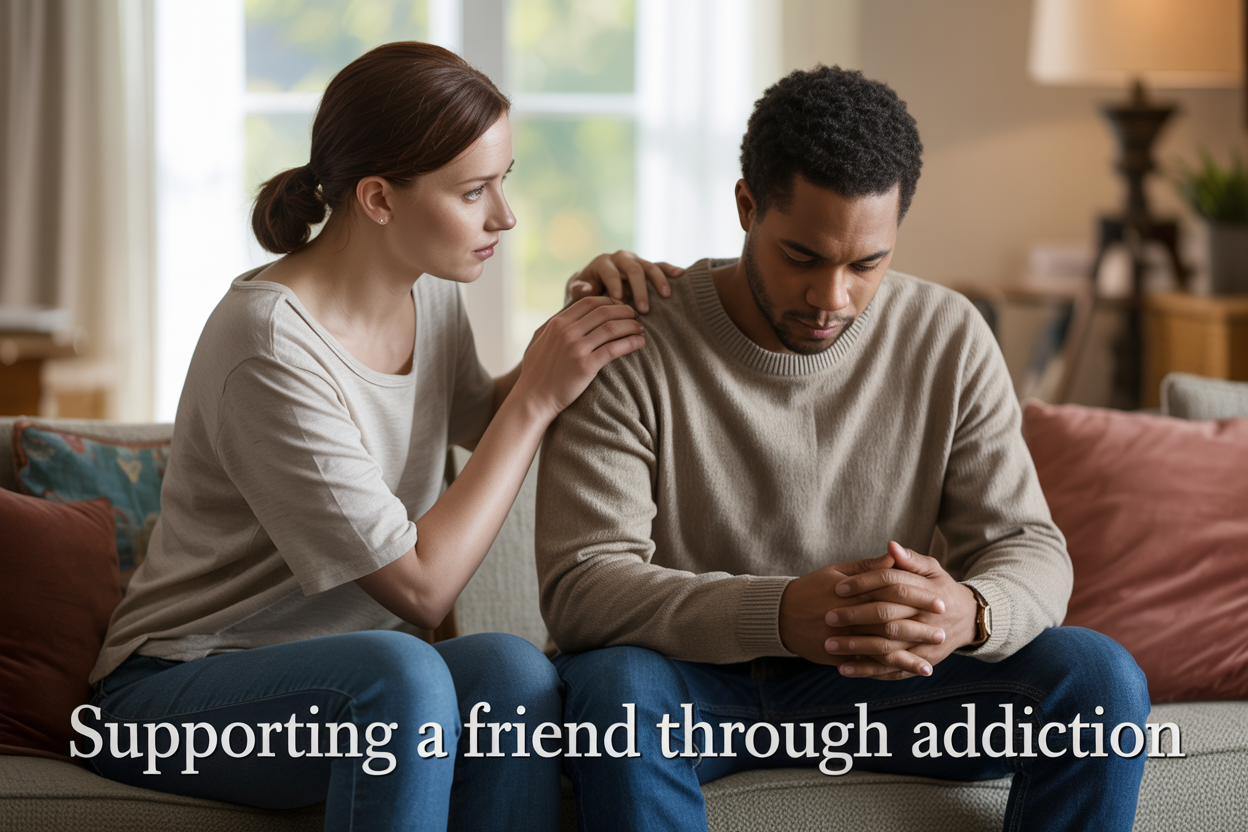
This guide is for anyone who wants to support a friend through addiction – whether you’ve never dealt with this before or you’re looking for better ways to help. You’ll learn how to spot the warning signs that your friend might be using drugs, discover compassionate ways to start difficult conversations about addiction, and understand when and how to encourage professional treatment. We’ll also cover why taking care of yourself is just as important as helping your friend.
Your support can make a real difference in your friend’s recovery journey, but knowing the right steps to take makes all the difference.
Recognize the Warning Signs of Drug Addiction

Your friend might start acting completely different from their usual self. You could notice them becoming irritable over small things that never bothered them before, or they might swing from being extremely happy to deeply depressed within hours. They may become aggressive during conversations or withdraw when you try to connect with them.
Watch for changes in their sleep patterns – staying up all night or sleeping for days at a time. Their energy levels might become unpredictable, going from hyperactive to completely lethargic. You might also see them losing interest in activities they once loved, like hobbies, sports, or social events they used to attend regularly.
Notice Physical Symptoms and Appearance Changes
Drug addiction often shows up in physical ways that are hard to hide. Look for dramatic weight loss or gain, bloodshot or glassy eyes, and pupils that seem unusually large or small. Their skin might look pale, flushed, or have unexplained marks, bruises, or track marks.
Personal hygiene often deteriorates – they might stop showering regularly, wear the same clothes for days, or neglect basic grooming. You might notice tremors in their hands, frequent nosebleeds, or a persistent cough. Their speech could become slurred, or they might talk unusually fast or slow. Changes in coordination, like stumbling or having trouble with fine motor skills, are also red flags.
Observe Social Withdrawal and Relationship Problems
People struggling with addiction often pull away from their support system. Your friend might cancel plans frequently, stop responding to texts or calls, or make excuses to avoid spending time with family and longtime friends. They may start hanging out with a completely different crowd – people you don’t know or who seem to have a negative influence.
Relationships with family members, romantic partners, or close friends might become strained. You could witness frequent arguments, broken promises, or hear about them lying to people they care about. They might also start isolating themselves at work or school, showing up less frequently or performing poorly when they do attend.
Spot Financial Issues and Secretive Behavior
Money problems often accompany addiction. Your friend might start borrowing money frequently, selling personal belongings, or asking for financial help with vague explanations. They could be stealing from family, friends, or employers, or you might notice expensive items going missing from their home.
Secretive behavior becomes the norm – they might take phone calls in private, be evasive about where they’ve been or who they’ve been with, and become defensive when asked simple questions about their day. They might also lie about small, seemingly unimportant things, making you question their honesty in general.
Approach Your Friend with Compassion and Care

Choose the Right Time and Private Setting
Timing matters when discussing addiction with someone you care about. Pick a moment when your friend is sober and relatively calm, avoiding periods when they’re intoxicated, withdrawing, or dealing with other major stressors. Early morning or afternoon conversations often work better than late evening discussions when emotions run higher.
Create a comfortable, private environment where your friend won’t feel exposed or embarrassed. Your home, their place, or a quiet park bench work well – anywhere that feels safe and away from potential judgment from others. Turn off phones and eliminate distractions. This conversation deserves your full attention and theirs.
Use Non-Judgmental Language and Active Listening
Your words carry enormous weight in these conversations. Replace “you always” or “you never” statements with “I’ve noticed” observations. Instead of saying “You’re destroying your life,” try “I’m worried about some changes I’ve seen.” This shift removes blame while opening dialogue.
Active listening means putting your own responses on hold and really hearing what your friend shares. Ask open-ended questions like “How are you feeling lately?” rather than yes-or-no questions that shut down conversation. Reflect back what you hear: “It sounds like you’re going through something really difficult right now.”
Avoid these conversation killers:
-
“Just stop using”
-
“Why can’t you control yourself?”
-
“Think about your family”
-
“You’re being selfish”
Express Genuine Concern Without Accusations
Share specific behaviors you’ve observed rather than making character judgments. Say “I noticed you missed three work days this week” instead of “You’re becoming unreliable.” This approach focuses on actions rather than attacking their identity.
Use “I” statements to express your feelings: “I feel scared when I can’t reach you” or “I miss spending quality time together like we used to.” This prevents your friend from becoming defensive while still communicating your genuine concerns.
Share positive memories and remind them of their strengths. “Remember when you helped me through my breakup? You have such a caring heart, and I want to be there for you now too.”
Avoid Enabling Behaviors While Showing Support
Supporting someone doesn’t mean protecting them from consequences of their addiction. Enabling looks like giving money (even for “rent” or “food”), lying to cover their absences, or making excuses for their behavior to others.
Instead, offer support that encourages recovery:
-
Accompany them to treatment appointments
-
Engage in sober activities together
-
Be available for phone calls during difficult moments
-
Help research treatment options
Set clear boundaries about what you will and won’t do. You might say, “I care about you deeply, but I won’t lend money or lie to your boss anymore. I will drive you to meetings and be here when you want to talk about recovery.”
Remember that showing tough love doesn’t mean withdrawing emotional support. You can refuse to enable while still expressing love, hope, and belief in their ability to recover.
Educate Yourself About Addiction and Treatment Options

Learn about the specific substance and its effects
Understanding what your friend is dealing with makes all the difference in how you can help. Each drug affects the brain and body differently, and knowing these details helps you recognize what they’re going through. If they’re struggling with opioids like heroin or prescription painkillers, you’ll want to learn about withdrawal symptoms, overdose risks, and how these substances create physical dependence. Stimulants like cocaine or methamphetamine work completely differently, often causing intense psychological cravings and erratic behavior patterns.
Research the short-term and long-term health consequences of their specific substance. This knowledge helps you understand why they can’t just “stop whenever they want” and why professional help is often necessary. Look into reputable sources like the National Institute on Drug Abuse (NIDA) or medical journals rather than random internet articles. Understanding how addiction changes brain chemistry and decision-making abilities will help you approach your friend with more patience and realistic expectations about their recovery journey.
Research local treatment facilities and programs
Not all treatment programs are created equal, and finding the right fit for your friend’s specific needs can significantly impact their success. Start by identifying what types of facilities exist in your area – inpatient rehabilitation centers, outpatient programs, methadone clinics, or intensive day programs. Each serves different needs and addiction severity levels.
Look into the treatment philosophies and approaches used by different facilities. Some focus on 12-step programs, while others use evidence-based therapies like cognitive behavioral therapy or medication-assisted treatment. Read reviews from former patients and their families, check accreditation status, and verify staff credentials. Many facilities offer tours or informational sessions where you can ask questions about their success rates, treatment duration, and aftercare support.
Create a list of options with contact information, admission requirements, and wait times. Having this information ready makes it easier to act quickly when your friend shows readiness to seek help, as motivation for treatment can be fleeting.
Understand insurance coverage and financial assistance
Money shouldn’t be a barrier to getting help, but treatment costs can be overwhelming without proper research. Start by understanding what your friend’s insurance covers – many policies include addiction treatment benefits thanks to mental health parity laws. Contact their insurance company directly to ask about coverage limits, copayments, and which facilities are in-network.
If they don’t have insurance or their coverage is limited, research state-funded programs and sliding-scale fee options. Many states offer low-cost or free treatment programs for residents who meet income requirements. Community health centers, religious organizations, and nonprofit groups often provide addiction services at reduced costs.
Look into payment plans offered by treatment facilities, as many understand the financial challenges families face. Some employers offer Employee Assistance Programs (EAPs) that provide free or discounted addiction services. Veterans have access to specialized programs through the VA system. Document all these options so you can present realistic financial solutions when discussing treatment with your friend.
Connect with support groups for families and friends
You’re not alone in this journey, and connecting with others who understand your situation provides invaluable emotional support and practical advice. Al-Anon and Nar-Anon are well-established support groups specifically designed for family members and friends of people with addiction. These groups help you learn healthy ways to support your loved one without enabling their addiction or sacrificing your own well-being.
SMART Recovery Family & Friends offers science-based tools and strategies for supporting someone in recovery. Their approach focuses on motivation, behavior change, and building a balanced life for both you and your friend. Online forums and virtual meetings make it easier to participate even if local meetings aren’t available.
Consider family therapy or counseling services that specialize in addiction issues. Professional guidance can help you navigate complex family dynamics and learn effective communication strategies. Many treatment centers offer family education programs that teach you about addiction as a disease and provide tools for supporting long-term recovery.
Encourage Professional Help and Treatment

Help Research Qualified Addiction Specialists
Finding the right professional help can feel overwhelming, especially when your friend is already struggling. Start by looking into different types of addiction specialists in your area. Licensed addiction counselors, psychiatrists specializing in substance abuse, and certified addiction medicine doctors all bring different expertise to the table. Check with your friend’s insurance provider to see which professionals are covered, and don’t forget about community health centers that often offer sliding-scale fees.
Look for specialists who have specific experience with your friend’s type of addiction. Someone who primarily treats alcohol addiction might not be the best fit for someone struggling with opioids or stimulants. Read online reviews and check professional credentials through state licensing boards. Ask your friend’s primary care doctor for referrals – they often have trusted networks of specialists they work with regularly.
Create a simple list of potential providers with their contact information, specialties, and insurance acceptance. This takes the burden off your friend during a time when even basic decisions can feel impossible.
Offer to Accompany Them to Appointments
That first appointment with an addiction specialist can be terrifying. Your friend might worry about judgment, feel ashamed, or simply be too anxious to go alone. Offering to drive them or meet them there shows incredible support and can make the difference between them showing up or canceling last minute.
Respect their privacy by asking whether they want you to stay in the waiting room or if they’d prefer you leave after dropping them off. Some people find comfort having someone nearby, while others need to handle these conversations privately. Let them decide, and don’t take it personally either way.
If they’re comfortable with you joining part of the session, listen actively but avoid speaking for them. Take notes if they ask you to – addiction can affect memory and concentration, making it hard to remember important information about treatment options or next steps.
Support Their Decision to Enter Rehabilitation Programs
When your friend decides to enter rehab, they’re making one of the most courageous choices possible. Celebrate this decision rather than expressing relief or saying things like “finally” or “it’s about time.” They need to feel proud of taking this step, not guilty about waiting so long to take it.
Help them research different types of programs. Inpatient treatment provides 24-hour medical supervision and intensive therapy, while outpatient programs allow them to maintain work or family responsibilities. Intensive outpatient programs fall somewhere in between, offering several hours of treatment multiple times per week.
Discuss what type of environment would work best for them. Some people thrive in luxury facilities with amenities like yoga and art therapy, while others prefer more clinical, no-frills environments. Location matters too – being close to family might provide comfort, or being far away might eliminate triggers and temptations.
Assist with Practical Arrangements During Treatment
The logistics of entering treatment can be just as overwhelming as the emotional aspects. Help your friend create a checklist of things they need to handle before starting their program. This might include arranging time off work, finding care for pets or children, paying bills in advance, or organizing their living situation.
If they’re entering inpatient treatment, help them pack appropriate clothing and personal items. Most facilities have specific rules about what’s allowed, so review the packing list together. Offer to hold onto valuables, important documents, or items they can’t bring with them.
Stay connected with them during treatment when the facility allows it. Write letters, send care packages if permitted, or attend family therapy sessions if they’re part of the program. Some people worry that friends will forget about them or move on while they’re in treatment. Regular contact reassures them that their support system remains strong.
Handle any emergencies that come up while they’re away. Whether it’s a work issue, a problem at their apartment, or a family situation, having someone they trust manage these things allows them to focus entirely on their recovery without outside distractions derailing their progress.
Maintain Your Own Well-being and Boundaries

Set clear limits on what help you can provide
Supporting a friend through addiction doesn’t mean becoming their personal rescue service. You need to define what you’re willing and able to do, then stick to those boundaries. Maybe you’re comfortable listening when they need to talk, but you won’t lend money that might fund their addiction. Perhaps you’ll drive them to treatment appointments, but you won’t lie to their boss about why they missed work.
Write down your boundaries if that helps you remember them. Some friends might offer emotional support but draw the line at financial assistance. Others might help with practical matters like finding treatment resources but won’t enable destructive behavior by making excuses for their friend.
Your limits aren’t selfish – they’re necessary. When you consistently enforce boundaries, you’re actually modeling healthy behavior for someone whose life has become chaotic and unpredictable. Clear boundaries also prevent resentment from building up, which could damage your friendship and your own mental health.
Remember that saying “no” to certain requests doesn’t mean you care less. You can refuse to bail them out of jail while still loving them deeply. You can decline to cover for them at work while remaining committed to their recovery journey.
Seek support from counselors or support groups
You don’t have to navigate this challenging situation alone. Professional counselors who specialize in addiction can provide valuable guidance on how to support your friend effectively without compromising your own well-being. They understand the complex dynamics of addiction and can teach you communication strategies that actually work.
Support groups specifically designed for friends and family members of addicted individuals offer incredible value. Al-Anon, Nar-Anon, and similar programs connect you with people who truly understand what you’re experiencing. These groups provide practical tools, emotional support, and the reassurance that you’re not crazy for feeling frustrated, scared, or exhausted.
Online forums and local community resources can also provide support networks. Many hospitals and community centers host educational workshops about addiction that help you understand what your friend is going through while giving you strategies for maintaining your own emotional health.
Don’t underestimate the power of talking to a trusted friend or family member who isn’t directly involved in the situation. Sometimes an outside perspective can help you see patterns you’ve missed or remind you of your own needs when you’re focused entirely on helping someone else.
Practice self-care to avoid burnout and codependency
Helping someone with addiction can consume your energy, time, and emotional resources faster than you realize. Regular self-care isn’t optional – it’s essential for staying healthy enough to be genuinely helpful over the long term.
Codependency sneaks up quietly. You might find yourself constantly worrying about your friend, checking their social media obsessively, or feeling responsible for their choices. These behaviors drain your energy and don’t actually help their recovery. Healthy self-care creates distance between their problems and your emotional state.
Build activities into your routine that have nothing to do with your friend’s addiction. Exercise regularly, maintain other friendships, pursue hobbies that bring you joy. These aren’t distractions from helping your friend – they’re investments in your ability to be a stable, supportive presence in their life.
Pay attention to warning signs of burnout: feeling resentful, losing sleep over their situation, neglecting your own responsibilities, or experiencing physical symptoms like headaches or stomach problems. When these appear, it’s time to step back and refocus on your own needs.
| Self-Care Strategy | How It Helps | Example Activities |
|---|---|---|
| Physical wellness | Reduces stress and maintains energy | Regular exercise, adequate sleep, healthy meals |
| Emotional boundaries | Prevents taking on their emotions | Journaling, meditation, therapy |
| Social connections | Provides perspective and support | Spending time with other friends, family gatherings |
| Personal interests | Maintains individual identity | Hobbies, creative pursuits, learning new skills |
Conclusion

Helping a friend through drug addiction means learning to spot the warning signs early, approaching them with genuine compassion, and understanding what treatment options are available. Your role isn’t to fix them or become their therapist, but to be a supportive friend who encourages professional help when they’re ready. Remember that addiction is a complex disease that requires expert care, not just good intentions.
Taking care of yourself while supporting an addicted friend is just as important as helping them. Set clear boundaries about what you can and cannot do, and don’t let their addiction consume your own life. The best thing you can do is stay informed, remain patient, and be there when they decide they’re ready to get clean. Sometimes the most loving thing you can do is simply not giving up on someone, even when they’ve given up on themselves.
[…] Ibogaine differs from traditional psychedelics, such as LSD, psilocybin, and peyote, in the following ways: […]