
Why is ibogaine illegal in the United States?
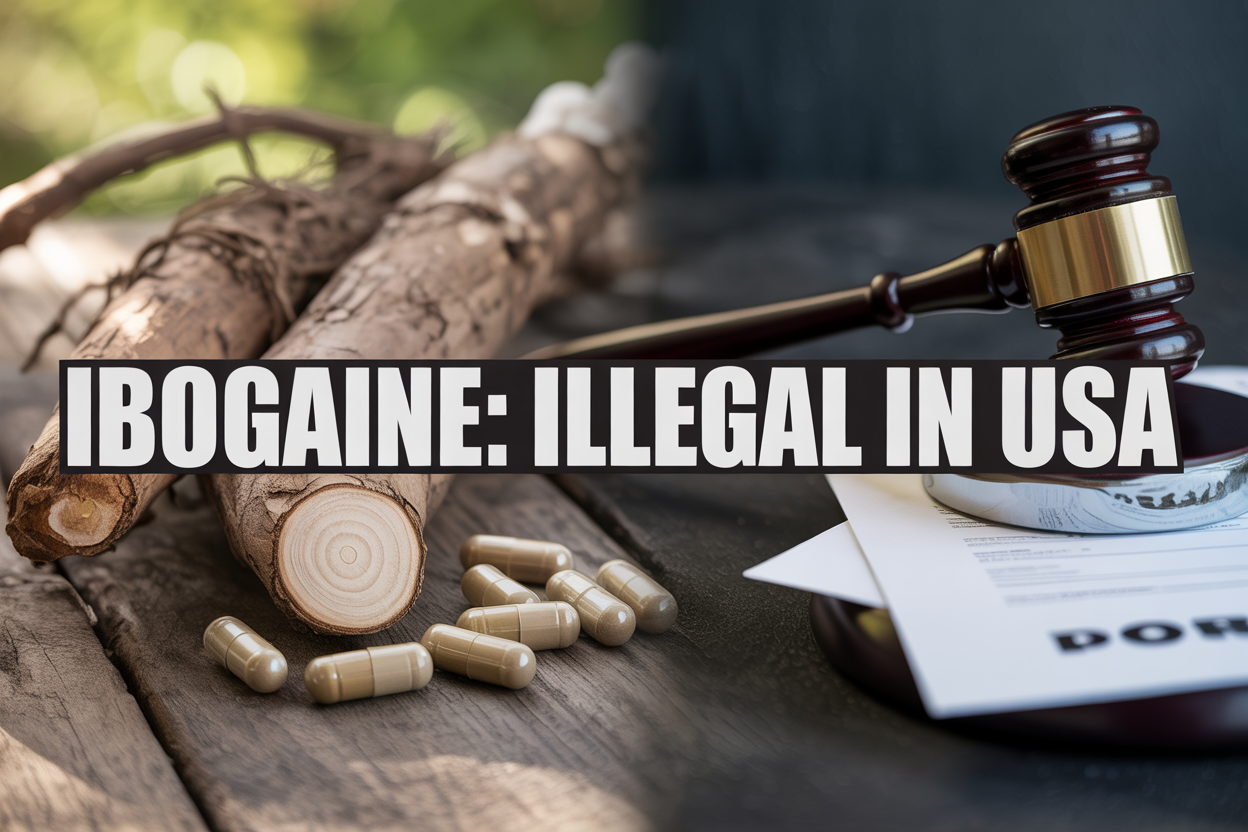
Why is ibogaine illegal in the United States? This guide explains the complex legal landscape surrounding a plant-based substance that many believe could revolutionize addiction treatment.
If you’re struggling with addiction, researching alternative treatments, or simply curious about psychedelic policy, you’ve likely heard conflicting information about ibogaine. This West African plant extract sits in a legal gray area that confuses patients, families, and even healthcare providers.
Ibogaine remains a Schedule I controlled substance in America, placing it alongside heroin and LSD despite growing evidence of its potential therapeutic benefits. While some countries allow regulated medical use and others conduct clinical trials, the United States maintains strict prohibition.
We’ll explore the historical reasons behind America’s ban on ibogaine, from early drug scheduling decisions to ongoing safety concerns that keep regulators cautious. You’ll also learn about the serious health risks that complicate its legal status, including documented deaths and cardiac complications that make unsupervised use potentially fatal.
Finally, we’ll cover what options exist for Americans seeking ibogaine treatment, from traveling to legal clinics abroad to participating in emerging research studies at home.
Understanding Ibogaine and Its Origins

What ibogaine is and where it comes from
Ibogaine is a naturally occurring psychoactive substance extracted from the root bark of plants native to West Africa. This powerful compound demonstrates remarkable dual properties depending on dosage levels. In smaller quantities, ibogaine functions as a mild stimulant, traditionally employed by indigenous communities to combat fatigue, hunger, and thirst during long journeys or demanding physical activities.
However, when consumed in larger amounts, ibogaine transforms into a potent psychoactive agent capable of inducing profound, mind-altering experiences. These intense sessions are characterized by vivid hallucinations and dramatically altered states of consciousness, often described by users as experiencing lucid dreams while remaining awake. The ibogaine journey unfolds in three distinct phases: an initial 4-8 hour dream-like state where individuals frequently recall and process earlier life experiences, followed by an 8-20 hour emotionally neutral and deeply reflective phase, culminating in a third phase of heightened awareness and mild stimulation that can persist for up to three days.
Traditional uses in West African spiritual ceremonies
The roots of ibogaine’s spiritual significance run deep within West Central African cultures, particularly among the Babongo and Mitsogo peoples who practice the Bwiti religion. These indigenous communities have incorporated ibogaine into their sacred healing ceremonies and spiritual celebrations for generations, utilizing the substance’s unique properties to facilitate profound religious experiences.
Within the context of Bwiti religious practices, ibogaine serves as a powerful spiritual tool that enables practitioners to establish connections with ancestral spirits in the spirit world. The substance’s stimulating effects at lower doses and consciousness-altering properties at higher doses make it an integral component of these traditional ceremonies, where it facilitates both physical endurance and spiritual transcendence.
How ibogaine is consumed and processed
Traditional consumption methods involve direct interaction with the plant material itself. Indigenous practitioners typically consume ibogaine by chewing directly on the shrub’s roots or by grinding the roots into a fine powder that is then mixed with water and swallowed. This time-honored preparation method ensures the preservation of the plant’s natural alkaloid profile.
In contemporary contexts outside traditional use, the most prevalent form is ibogaine hydrochloride salt, which is administered orally. Within Gabon, the commercial availability of ibogaine reflects its cultural significance – the roots are openly sold in local markets, available both as pieces of bark and in convenient powdered form. Beyond legal traditional markets, ibogaine has entered illegal online marketplaces where it appears as a brownish powder specifically marketed as a detoxification aid for treating various substance use disorders.
Current Legal Status of Ibogaine Worldwide

Schedule I Classification in the United States
Ibogaine faces the strictest possible legal restrictions in the United States, where it is classified as a Schedule I substance under the Controlled Substances Act. This classification places ibogaine in the same category as heroin, LSD, and MDMA, indicating that federal authorities consider it to have no recognized medical benefits and a high risk of misuse. The Schedule I designation creates significant barriers to both research and therapeutic use, requiring extensive federal permits and oversight for any legitimate scientific study.
What makes ibogaine’s legal status particularly notable is its lack of state-level reform initiatives. Unlike cannabis or psilocybin, which have seen decriminalization efforts across numerous states, no U.S. state has moved to decriminalize ibogaine use. This absence of grassroots legal reform reflects both the substance’s relative obscurity among the general public and the complex regulatory challenges surrounding psychoactive substances with potential medical applications.
Legal Restrictions in Other Countries
The prohibition of ibogaine extends well beyond American borders, with numerous countries implementing strict legal restrictions. Several European nations have taken decisive action against ibogaine availability, including Belgium, France, Ireland, Italy, Norway, Sweden, and Switzerland. These countries have established clear legal frameworks that prohibit the possession, distribution, and use of ibogaine outside of approved research contexts.
Israel has also joined this group of nations with explicit ibogaine prohibitions, reflecting international concerns about the substance’s safety profile and potential for misuse. The widespread nature of these restrictions across diverse legal systems suggests a common international perspective on the regulatory challenges posed by ibogaine.
Countries Where Ibogaine Is Legal or Regulated
In stark contrast to the prohibitive approaches discussed previously, several countries have adopted more permissive regulatory frameworks for ibogaine. Australia, Finland, New Zealand, and Uruguay have established legal pathways for ibogaine access, recognizing potential therapeutic applications while maintaining appropriate oversight mechanisms.
A middle-ground approach has emerged in countries including Brazil, Canada, Denmark, Hungary, and South Africa, where ibogaine is available as a controlled substance requiring a doctor’s prescription. This regulated access model allows for medical supervision while restricting casual use, potentially balancing therapeutic potential with safety concerns.
Perhaps most notably, certain jurisdictions operate with minimal regulatory oversight regarding ibogaine. Countries such as Mexico, the Netherlands, Germany, and Gabon lack specific legal restrictions on ibogaine use, creating opportunities for treatment clinics to operate legally. This regulatory flexibility has led to the establishment of ibogaine treatment centers, particularly in countries like New Zealand and Mexico, where individuals seek addiction treatment services that remain unavailable in their home countries due to legal restrictions.
Reasons Behind America’s Prohibition of Ibogaine

Lack of FDA-approved clinical trials
The absence of sufficient controlled clinical trials represents a fundamental barrier to ibogaine’s legal acceptance in the United States. The scientific community cannot definitively confirm the substance’s effectiveness and safety without rigorous, peer-reviewed studies that meet FDA standards. This lack of comprehensive clinical data leaves regulatory authorities without the evidence base necessary to approve ibogaine for medical use.
The FDA requires extensive Phase I, II, and III clinical trials to demonstrate both safety and efficacy before approving any substance for therapeutic applications. Without these controlled studies, ibogaine remains in regulatory limbo, unable to progress through the standard approval process that governs pharmaceutical substances in America.
Safety concerns and documented fatalities
Ibogaine’s association with documented deaths creates a significant distinction from other mind-altering substances that may carry lower risk profiles. These documented fatalities have contributed to heightened regulatory scrutiny and reinforced concerns about the substance’s potential dangers when used outside of medical supervision.
The documented deaths linked to ibogaine use present compelling evidence for regulatory agencies when evaluating the substance’s risk-benefit profile. This safety record directly influences the Schedule I classification, as it demonstrates a high risk of misuse and potential harm that cannot be mitigated without proper medical oversight and comprehensive safety protocols.
Classification as having no recognized medical benefits
The Schedule I classification in the United States categorically defines ibogaine as having no recognized medical benefits under current federal law. This classification places ibogaine in the most restrictive category of controlled substances, alongside drugs deemed to have high potential for abuse and no accepted medical use.
This legal designation reflects the regulatory position that, despite anecdotal reports and preliminary research, insufficient evidence exists to establish legitimate medical applications for ibogaine. The Schedule I status effectively prohibits medical research and therapeutic use, creating a regulatory catch-22 where the substance cannot be studied adequately to demonstrate potential benefits because of its prohibited status.
The Growing Interest in Ibogaine for Addiction Treatment

Potential benefits for opioid withdrawal symptoms
Individuals struggling with substance use have consistently reported that ibogaine helps reduce withdrawal symptoms from various substances, particularly opioids such as heroin, pain pills, and fentanyl, as well as cocaine. These reports indicate that ibogaine can temporarily lessen cravings, providing relief during one of the most challenging aspects of addiction recovery.
The historical foundation for these claims dates back to the 1960s, when self-help groups began documenting experiences with ibogaine. According to these early reports, a single dose of the substance could ease opioid withdrawal symptoms and reduce the desire for substances. This remarkable claim has persisted for decades and continues to drive interest in ibogaine as a potential therapeutic intervention.
Despite the limitations inherent in available research, some studies have produced encouraging results. More than 70% of patients showed no signs of opioid withdrawal after 24 or 48 hours of treatment in certain investigations. Even more compelling is the long-term data, which suggests that the benefits extend well beyond the immediate treatment period. Participants demonstrated reduced opioid withdrawal symptoms and either decreased or completely ceased opioid use both one month and 12 months following treatment.
Claims of addiction interruption properties
In online forums and treatment communities, ibogaine has earned a distinctive reputation as an “addiction interrupter.” This terminology reflects the substance’s perceived unique mechanism of action, which differs significantly from traditional addiction treatments. The growing popularity of ibogaine stems largely from these perceived anti-addictive properties, which set it apart from conventional therapeutic approaches.
One of the most compelling claims surrounding ibogaine is that it doesn’t cause cravings or withdrawal symptoms even after multiple uses. This characteristic is particularly significant in the addiction treatment landscape, where many interventions carry their own risk of dependence or adverse effects. The absence of these typical complications has contributed to ibogaine’s appeal among individuals seeking alternative treatment options.
Testimonials from treatment seekers abroad
The demand for ibogaine treatment has driven thousands of individuals to seek care in countries where the substance is not regulated. An estimated over ten thousand people have pursued ibogaine treatment internationally, demonstrating the substantial interest in this alternative approach to addiction recovery.
Clinics offering ibogaine treatments for opioid use disorders have accumulated numerous positive testimonials from patients who have undergone the treatment. These facilities often feature rave reviews from individuals who credit ibogaine with helping them overcome their addiction struggles. The testimonials serve as powerful endorsements for the treatment’s potential effectiveness, though they represent anecdotal rather than controlled scientific evidence.
The international treatment phenomenon highlights the lengths to which people will go when seeking alternatives to conventional addiction treatment methods, particularly when facing limited options in their home countries.
Scientific Evidence and Research Limitations

Limited controlled clinical trials
The scientific foundation for ibogaine as a treatment remains remarkably thin, with only two scientifically sound, controlled trials involving a total of 47 people having tested ibogaine for substance use disorders. This extremely limited sample size represents a significant barrier to understanding the compound’s true therapeutic potential. The scarcity of high-quality research stems from various factors, including regulatory restrictions, funding challenges, and the complex nature of conducting controlled studies with a Schedule I substance.
The current research landscape highlights a critical gap between anecdotal reports and rigorous scientific validation. While numerous observational studies and case reports exist, the gold standard of randomized, double-blind, placebo-controlled trials remains severely underrepresented in ibogaine research. This limitation makes it impossible to draw definitive conclusions about the compound’s efficacy and safety profile, contributing to regulatory hesitancy and continued prohibition.
Mixed results from existing studies
Now that we understand the limited scope of research, the available controlled trials have produced conflicting outcomes that complicate the regulatory picture. One controlled trial demonstrated mixed results, finding that ibogaine reduced opioid withdrawal symptoms compared to placebo, but the difference was statistically insignificant. This finding raises questions about ibogaine’s effectiveness for one of its most commonly cited applications.
In contrast, another trial found more promising results, showing a significant reduction in symptoms for people with severe cocaine dependence and fewer relapses. These contradictory findings across different substance use disorders suggest that ibogaine’s effectiveness may vary considerably depending on the specific addiction being treated.
A small study involving 30 military veterans provided additional insights, suggesting that ibogaine, when combined with magnesium, could serve as a powerful therapeutic for mental health issues including PTSD, depression, anxiety, and suicidal thoughts following brain injury. This research indicates potential applications beyond substance use disorders, though the sample size remains extremely limited.
Data also suggests ibogaine benefits depression and trauma-related mental health symptoms, including PTSD and anxiety, particularly when administered with magnesium to reduce cardiac arrhythmia risk. However, a comprehensive 2022 evaluation of psychedelic medications for mental health and substance use disorders was notably pessimistic about ibogaine’s potential, concluding it might not reduce short-term opioid withdrawal symptoms compared to placebo and its impact on long-term opioid use remained unclear.
Timeline for potential FDA approval
With these mixed research outcomes in mind, experts anticipate a lengthy path toward potential regulatory approval. Industry specialists estimate it may take up to 10 years before the FDA considers ibogaine as an approved treatment for substance use disorders. This extended timeline reflects the substantial additional research required to meet FDA standards for safety and efficacy.
Recent developments suggest some progress in advancing ibogaine research within regulatory frameworks. The biotech company Delix Therapeutics received a NIDA award in 2023 to study a non-hallucinogenic analog of ibogaine (DLX-007) for various substance use disorders. This approach may circumvent some regulatory hurdles associated with the psychoactive properties of natural ibogaine while potentially maintaining therapeutic benefits.
International research efforts are also contributing to the evidence base, with countries like Spain and Brazil conducting Phase II trials to assess ibogaine’s safety, effectiveness, dosing, and side effects. These international studies may provide crucial data that could influence future FDA considerations, though regulatory approval in other countries doesn’t guarantee acceptance by U.S. authorities.
The timeline for potential approval will largely depend on successful completion of larger, well-designed clinical trials that demonstrate clear therapeutic benefits while establishing acceptable safety profiles for specific patient populations.
Serious Health Risks and Safety Concerns

Fatal cardiac complications and documented deaths
The most alarming safety concern surrounding ibogaine is its potential for fatal cardiac complications. Over the past four decades, more than 30 deaths have been directly linked to ibogaine use, with the majority attributed to heart failures. These cardiac-related fatalities highlight the substance’s significant impact on cardiovascular function, particularly in vulnerable individuals.
A documented case illustrates this deadly risk: a person with heroin use disorder died within hours of consuming a powder labeled Tabernanthe iboga that was purchased online. While the exact cause was likely heart-related effects from ibogaine, the presence of other substances in the individual’s system further complicated the fatal outcome, demonstrating how ibogaine’s cardiac risks can be compounded by polydrug use.
Quality control issues with unregulated products
The unregulated nature of ibogaine has created a dangerous marketplace where quality control is virtually nonexistent. The easy online accessibility of ibogaine products means consumers have no guarantee of what they’re actually purchasing or consuming. This lack of oversight has created significant public health risks as demand for the substance continues to grow.
Vendors, both locally and internationally, have begun selling potentially contaminated or entirely fake iboga products to meet increasing demand. Without proper regulatory frameworks, there’s no way to verify the purity, potency, or safety of these substances. This quality control crisis puts users at risk not only from ibogaine itself but also from unknown adulterants or completely different substances being sold under the iboga label.
Risks of self-treatment and underground use
Individuals who attempt to self-treat with ibogaine or obtain it through illegal online purchases face compounded dangers due to the complete absence of medical supervision and quality assurance. The combination of ibogaine’s significant cardiac effects and the lack of healthcare provider support creates a particularly hazardous situation for users.
Understanding proper dosing protocols and identifying individual risk factors becomes virtually impossible without professional medical guidance. Beyond the potential for fatal outcomes, ibogaine use has been associated with a significant likelihood of developing severe headaches after treatment, adding to the list of adverse effects that users must navigate without medical support. The underground nature of these treatments means that when complications arise, users may be reluctant to seek emergency medical care, further increasing the risk of serious harm.
Treatment Options for Those Considering Ibogaine

Seeking Treatment at International Clinics
For individuals determined to pursue ibogaine treatment, seeking care at international clinics remains the primary option. Ibogaine is legally prescribed or operates in unregulated environments in several countries, including New Zealand and Mexico, where specialized treatment facilities offer comprehensive programs.
When considering international treatment, thorough research becomes essential. Patients must identify fully accredited medical facilities that provide more than just ibogaine administration. The most reputable clinics integrate psychotherapy alongside the medical treatment, ensuring a holistic approach to addiction recovery. These facilities should employ credentialed physicians and therapists specifically trained to manage potential emergencies that may arise during ibogaine treatment.
The financial commitment for international ibogaine treatment is substantial, with costs typically reaching approximately $12,000 for several weeks of comprehensive care. This significant expense is not covered by insurance plans, making treatment accessible primarily to those with considerable financial resources. The cost reflects the intensive medical supervision, psychological support, and extended care period required for safe ibogaine administration.
Participating in Clinical Trials
Now that we’ve explored international options, individuals considering ibogaine can explore opportunities to participate in research studies or clinical trials. These programs offer a pathway to access ibogaine treatment within a regulated research framework, providing both the potential therapeutic benefits and contributing to the scientific understanding of ibogaine’s efficacy and safety profile.
Alternative FDA-Approved Treatments for Addiction
With this in mind, those seeking addiction treatment should consider the established Medications for Opioid Use Disorder (MOUD) that are legally available in the United States. These FDA-approved treatments represent the gold standard of care for opioid addiction, effectively reducing withdrawal symptoms and cravings while preventing relapse.
MOUD options provide comprehensive support for individuals struggling with opioid use disorder. Additionally, innovative technologies such as specialized earpieces have been developed to help ease withdrawal symptoms and assist in treatment programs. For immediate safety, naloxone (commonly known as Narcan) serves as a critical medication capable of reversing opioid overdoses, and it’s strongly recommended that individuals using substances carry this life-saving medication.
Harm Reduction Strategies for Ibogaine Use

Medical screening and professional supervision requirements
Thorough medical screening forms the cornerstone of safe ibogaine use, with cardiovascular assessment being particularly crucial. Healthcare providers must conduct comprehensive electrocardiograms and cardiac evaluations to identify any existing heart conditions that could increase risk during treatment. This screening process becomes even more critical given ibogaine’s potential for serious cardiac complications.
The medical evaluation must extend beyond cardiovascular health to include a complete review of all medications and substances the patient is currently using. Drug interactions with ibogaine can be dangerous, making it essential for healthcare providers to understand the full scope of a patient’s pharmaceutical regimen. Additionally, individuals with serious mental illness may not be appropriate candidates for ibogaine treatment, requiring careful psychiatric assessment.
Professional supervision by experienced healthcare providers who understand ibogaine’s unique risks is non-negotiable. These professionals have discovered that administering magnesium before and during treatments can significantly minimize the risk of heart failure. Continuous monitoring of vital signs throughout the treatment process and into the recovery period allows for rapid identification and intervention should complications arise.
Facility accreditation and safety protocols
When seeking ibogaine treatment at international clinics, selecting a fully accredited medical facility represents a critical safety measure. These facilities must maintain proper credentials and employ qualified physicians and therapists who possess the expertise to manage medical emergencies that may arise during treatment.
Due diligence in facility selection includes obtaining references and, when possible, speaking directly with former patients about their treatment experiences. This research helps ensure the chosen facility maintains appropriate safety standards and provides quality care throughout the treatment process.
Preparation and aftercare considerations
Comprehensive education about potential risks and side effects must occur before any ibogaine treatment begins. Patients need to understand what they may experience and the serious nature of the risks involved, enabling them to make fully informed decisions about proceeding with treatment.
Proper dosage control represents another fundamental harm reduction strategy. Healthcare providers should begin with lower doses to assess individual patient response before administering full treatment doses. This graduated approach helps minimize adverse effects while still achieving therapeutic goals.
Post-treatment support systems are equally important, as patients may experience various psychological and physical effects following ibogaine use. Having qualified professionals available to address these aftercare needs ensures patients receive appropriate care throughout their recovery process, not just during the acute treatment phase.
Conclusion

The legal prohibition of ibogaine in the United States stems from its Schedule I classification, which designates it as having no recognized medical benefits and high potential for abuse. This classification persists despite growing anecdotal evidence and limited clinical research suggesting potential benefits for addiction treatment. The complex interplay of safety concerns, including over 30 reported deaths linked to ibogaine use, insufficient clinical trial data, and regulatory caution has maintained its illegal status while other psychedelics face evolving legal landscapes.
For those considering ibogaine treatment, the current reality requires careful evaluation of risks versus potential benefits. While some seek treatment in countries where ibogaine is legal or unregulated, the safest approach involves consulting healthcare professionals about FDA-approved medications for opioid use disorder and other evidence-based treatments. As research continues and clinical trials advance, including studies of non-hallucinogenic analogs like DLX-007, the future may hold new possibilities for legal, medically supervised ibogaine-based therapies in the United States.