Iboga Root Bark Dosage Guide for Beginners: Understanding the Risks
Introduction
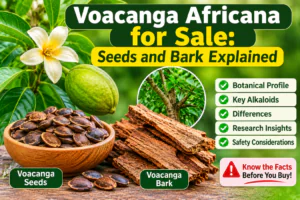
Iboga root bark comes from Tabernanthe iboga, a shrub native to Central Africa. The plant has a long history of traditional and ceremonial use, and it has drawn modern interest because it contains ibogaine and other psychoactive alkaloids.
Searches for an “iboga root bark dosage guide for beginners” often come from people trying to understand the plant, its effects, and the risks associated with using it. However, iboga is not a substance for which a reliable beginner dose can be established from a simple chart.
The alkaloid content of root bark can vary, and ibogaine has been associated with potentially life-threatening heart rhythm complications. This guide explains what beginners should know about composition, effects, risks, and medical supervision—without recommending a self-administered dose.
What Is Iboga Root Bark?
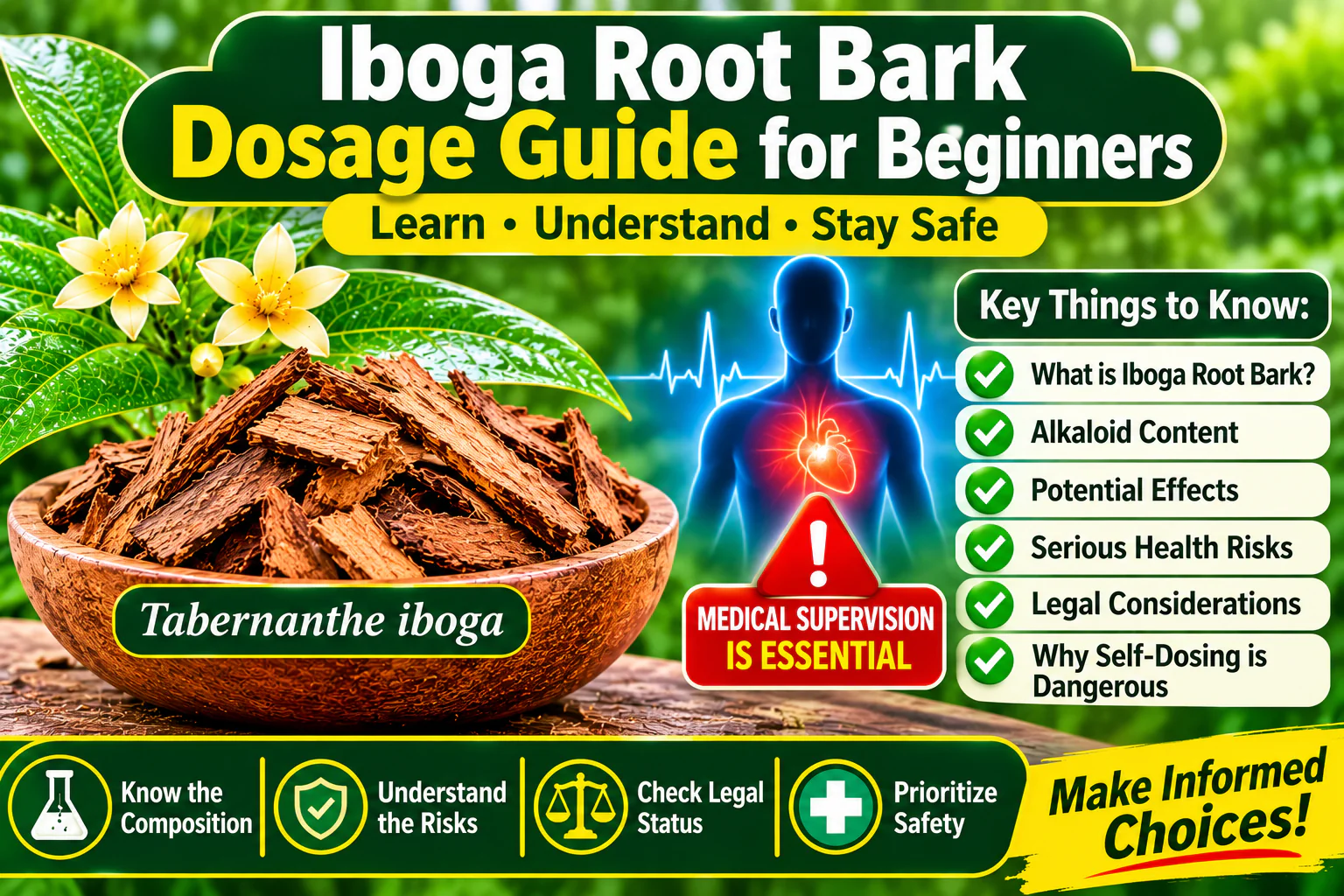
Iboga root bark is the outer bark of the roots of Tabernanthe iboga. It contains a mixture of naturally occurring alkaloids, including ibogaine.
Unlike a standardized pharmaceutical ingredient, root bark is a botanical material. Its chemical composition may differ depending on the plant, growing conditions, harvested material, and processing.
This variation matters: the amount of ibogaine in a quantity of bark cannot be reliably inferred from its appearance, weight, or a seller’s description.
Why There Is No Reliable Beginner Dosage
A universal beginner dosage is not medically established. Several factors make a simple dosing recommendation unreliable:
1. Variable alkaloid content
Different batches of root bark may contain different amounts of ibogaine and other alkaloids. A measurement by weight does not necessarily reveal the amount of active compounds present.
2. Individual differences
People can differ in how they metabolize ibogaine. Differences in metabolism, health status, and other medications can affect exposure and risk.
3. Product uncertainty
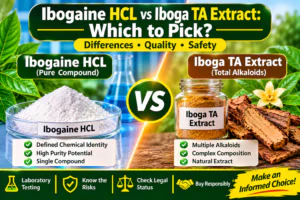
A label or online product description does not confirm a material’s identity, composition, or safety. Laboratory analysis may help characterize a sample, but it does not make ibogaine safe to use.
4. Serious and unpredictable effects
Ibogaine has been associated with dangerous changes in heart rhythm, including QT interval prolongation and ventricular arrhythmias. Severe events have been reported even in people without a known history of heart disease. Source: 2021 systematic review; 2026 cardiovascular review
For these reasons, this article does not provide a dosage chart or recommend experimenting with root bark at home.
Understanding the Potential Effects
Iboga and ibogaine can produce psychoactive effects. Reported effects may include:
- Changes in perception and sensory experience
- Intense or unusual mental experiences
- Nausea and vomiting
- Dizziness, weakness, or difficulty coordinating movement
- Anxiety, confusion, or other psychological effects
The experience can be prolonged and difficult to predict. The intensity of effects is not a reliable indicator of whether a person is medically safe.
Iboga Root Bark and Heart Health
Cardiac risk is one of the most important safety concerns associated with ibogaine.
Ibogaine can affect the heart’s electrical activity, including prolonging the QT interval. This can contribute to dangerous ventricular arrhythmias, including torsades de pointes, which can be fatal.
Risk may be affected by underlying health conditions, electrolyte abnormalities, medications, and individual metabolism. A person may not know they have a relevant risk factor.
Medical assessment and monitoring are therefore essential in any clinical investigation or treatment involving ibogaine. An informal setting or the presence of an untrained sitter is not a substitute for qualified medical care. Source: cardiovascular review
Why Medical Supervision Matters
A medically supervised setting can assess risks that cannot be evaluated through an online guide. Depending on the clinical situation, assessment may include:
- Medical and medication history
- Cardiac evaluation, including an electrocardiogram (ECG)
- Assessment of relevant laboratory values
- Review of potential medication interactions
- Monitoring by qualified healthcare professionals
- Access to emergency medical treatment
These measures do not eliminate all risks. They are part of professional risk assessment and management—not a guarantee of safety.
Legal Considerations
The legal status of iboga, ibogaine, and related products differs by country and may depend on the specific preparation or intended use.
Before making decisions about the substance, consult current official information from the relevant local authorities. Do not assume that a product being listed online or shipped internationally means it is legal to possess or use.
What Beginners Should Consider Instead of Self-Dosing
For anyone researching iboga root bark, a safer starting point is to focus on understanding the substance rather than choosing an amount.
Consider these questions:
- Is the material’s identity and composition independently verified?
- Are the potential cardiac and neurological risks clearly understood?
- Could medications or existing health conditions increase risk?
- Is qualified medical advice available?
- What does local law say about the substance?
- If the interest is related to substance-use treatment, are evidence-based medical options available?
A product’s claimed purity or botanical origin does not establish that it is safe.
Frequently Asked Questions
Is there a safe beginner dose of iboga root bark?
There is no universally established safe beginner dose for self-use. Root bark composition varies, and ibogaine has been associated with serious cardiac complications.
Can root bark be measured accurately by weight?
Weight alone cannot reliably determine the amount of ibogaine or other alkaloids in a sample. Chemical composition can vary between materials and batches.
Is iboga root bark safer because it is natural?
No. A natural origin does not establish safety. Iboga contains psychoactive alkaloids, and serious adverse events have been reported with root bark and other iboga products.
Does laboratory testing make iboga safe?
Testing can provide information about identity and composition, but it cannot guarantee that a product is safe for a particular person or eliminate the risks associated with ibogaine.
What should someone do if they experience concerning symptoms after taking iboga?
Seek urgent medical help for symptoms such as fainting, chest pain, a racing or irregular heartbeat, seizure, severe confusion, or difficulty breathing. Do not wait for symptoms to pass or attempt to manage a possible emergency alone.
Conclusion
Iboga root bark is a complex botanical material containing ibogaine and other alkaloids. Its composition can vary, and the health risks—especially potentially dangerous heart rhythm changes—make beginner self-dosing unsafe.
Rather than relying on an online dosage chart, readers should seek qualified medical advice, understand the legal status in their location, and recognize that laboratory analysis does not remove the substance’s inherent risks.
Safety reminder: This article is for educational purposes only. It is not medical advice, a dosing recommendation, or an endorsement of iboga use. Ibogaine-related treatment should only be considered within appropriate medical oversight.