Ibogaine HCL vs Iboga TA Extract: Which to Pick?
Are you researching ibogaine HCL and Total Alkaloid (TA) extract but unsure how these two preparations differ? Understanding their chemical composition, purity, and characteristics is essential when evaluating information about iboga-derived products.
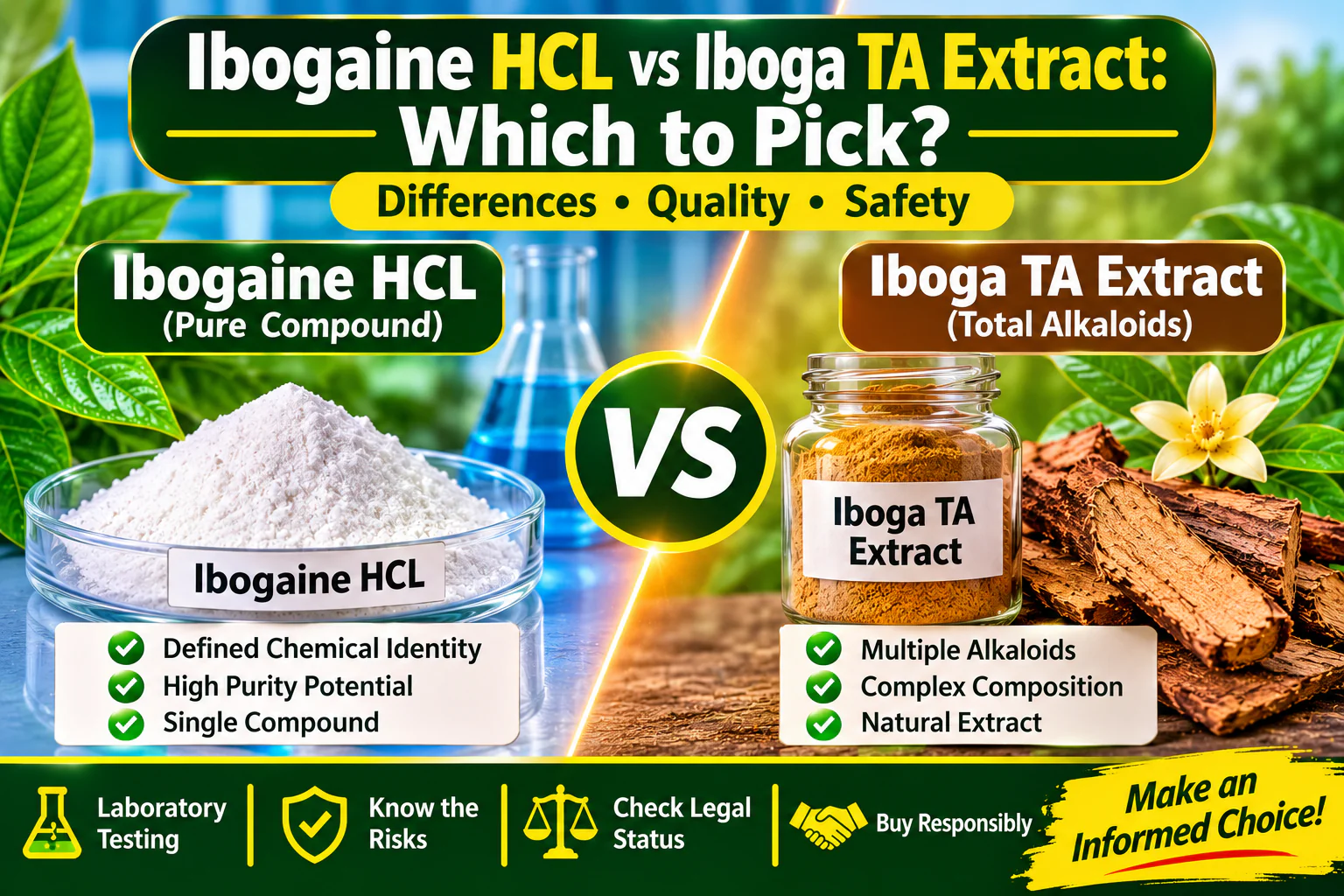
Both preparations originate from Tabernanthe iboga, a tropical plant native to Central Africa. However, they are chemically different. Ibogaine HCL is a more specifically defined chemical preparation, whereas TA extract contains a mixture of naturally occurring iboga alkaloids.
Whether you are exploring botanical research, comparing extract formulations, or learning about ibogaine chemistry, this guide explains the differences between HCL and TA, what laboratory testing can reveal, and the important safety considerations to understand.
What Is Ibogaine HCL?
Ibogaine hydrochloride, commonly called HCL, is the hydrochloride salt of ibogaine.
Ibogaine is a naturally occurring indole alkaloid found in Tabernanthe iboga. HCL preparations are intended to contain a more specifically defined chemical compound rather than the broader mixture found in natural plant extracts.
Important characteristics include:
- A more specifically defined chemical identity.
- A measurable ibogaine concentration.
- Chemical purity that can be assessed through laboratory analysis.
- Batch-specific manufacturing and quality-control requirements.
However, a product described as pure ibogaine HCL should not be assumed to meet a particular purity specification without independent analytical evidence.
What Is Iboga TA Extract?
TA stands for Total Alkaloid. It refers to an extract containing multiple alkaloids obtained from iboga plant material.
Depending on the preparation, its chemical profile may include:
- Ibogaine.
- Ibogaline.
- Ibogamine.
- Other naturally occurring iboga alkaloids.
Unlike HCL, TA is a complex chemical mixture. Its composition can vary depending on botanical source material and processing.
This variability makes independent chemical profiling particularly important when evaluating TA extracts.
Ibogaine HCL vs TA Extract: Main Differences
The biggest difference between the two preparations is their chemical composition.
| Feature | Ibogaine HCL | Iboga TA Extract |
|---|---|---|
| Composition | Ibogaine hydrochloride | Mixture of iboga alkaloids |
| Chemical identity | More specifically defined | Complex mixture |
| Alkaloid profile | Primarily ibogaine | Multiple alkaloids |
| Purity assessment | Compound-specific analysis | Alkaloid profiling |
| Standardization | Depends on manufacturing | Depends on extraction |
| Quality verification | Independent purity testing | Independent composition testing |
Neither preparation can automatically be considered safer or more effective based on these differences.
Understanding Purity and Alkaloid Concentration
Purity is an important subject when comparing ibogaine HCL and TA extracts.
However, purity and alkaloid concentration are not interchangeable terms.
For HCL, purity testing assesses the proportion of the intended chemical compound and relevant impurities.
For TA, testing should establish the overall alkaloid composition and, where possible, the concentration of individual alkaloids.
An analytical study published in 2020 examined 16 iboga-derived products and found substantial variation in their chemical composition. Products marketed as TA contained ibogaine concentrations ranging from 8.2% to 32.9%, while products marketed as ibogaine HCL ranged from 61.5% to 73.4% in the tested samples.
The study also identified unexpected substances and samples that did not contain the expected iboga alkaloids.
These findings demonstrate why product labels and marketing descriptions should never replace independent laboratory verification. <Cite refs={[“turn147555search1″,”turn147555search2”]}/>
Laboratory Testing: What Should Be Verified?
Laboratory testing can help establish the chemical characteristics of iboga-derived preparations.
Relevant analytical considerations include:
1. Chemical identity
Testing should establish whether the material contains the chemical compounds stated in its documentation.
2. Alkaloid profiling
For TA preparations, analytical profiling helps identify the different alkaloids present.
3. Purity analysis
For HCL, appropriate analytical methods can assess chemical purity and relevant impurities.
4. Contaminant screening
Testing may include heavy metals, residual solvents, pesticides, and microbiological contaminants, depending on the preparation.
5. Batch traceability
A certificate of analysis should identify the tested batch, analytical methods, and laboratory responsible for the results.
Remember that laboratory purity does not establish medical safety.
Which Is Better: HCL or TA?
There is no universally correct answer to this question.
The two preparations have different chemical characteristics and should not be treated as interchangeable.
For scientific research, the distinction depends on the research question and the chemical material being investigated.
For example:
- HCL provides a more specifically defined ibogaine preparation for compound-focused research.
- TA provides a broader mixture of naturally occurring iboga alkaloids for studies examining extract composition.
However, there is insufficient evidence to conclude that one preparation is generally safer, more effective, or medically preferable.
Neither should be selected for self-treatment or unsupervised consumption.
Important Medical Safety Considerations
Ibogaine is associated with potentially serious and life-threatening cardiovascular complications.
One major concern is QT interval prolongation, which can contribute to dangerous cardiac arrhythmias.
Other reported adverse effects include:
- Severe heart rhythm disturbances.
- Seizures.
- Dangerous medication interactions.
- Liver complications.
- Electrolyte abnormalities.
A systematic review of human adverse events identified cardiac complications, particularly QTc prolongation, among the most important reported safety concerns. <Cite refs={[“turn147555search0″,”turn147555search4”]}/>
A 2026 review also highlights the need for rigorous cardiovascular assessment and controlled medical supervision in any future clinical application of ibogaine. <Cite refs={[“turn147555search5″,”turn147555search6”]}/>
Importantly, the broader alkaloid composition of TA does not establish that it is safer than HCL. Likewise, chemical purity does not eliminate ibogaine’s cardiovascular risks.
Frequently Asked Questions
What is the main difference between ibogaine HCL and TA?
HCL is the hydrochloride salt of ibogaine, while TA is a mixture of multiple naturally occurring iboga alkaloids.
Does TA contain ibogaine?
Yes. Ibogaine is generally one of the principal alkaloids found in iboga total alkaloid preparations, although its concentration varies.
Is HCL purer than TA?
HCL is a more specifically defined chemical preparation. However, actual purity must be established through laboratory testing. TA is a mixture, so its quality is assessed through its chemical composition and contaminant profile.
Is iboga TA more natural than HCL?
TA is a mixture of plant-derived alkaloids, while HCL is a specific chemical salt. The distinction concerns chemical composition and processing rather than an automatic difference in safety.
Can HCL and TA be considered equally safe?
Neither can be assumed safe. Ibogaine exposure carries potentially life-threatening cardiovascular risks, regardless of preparation.
How can iboga extract quality be verified?
Independent laboratory testing, chemical identification, alkaloid profiling, contaminant screening, and batch-specific documentation can help establish product characteristics.
Final Thoughts
Understanding the differences between ibogaine HCL and TA extract is important when researching Tabernanthe iboga and its naturally occurring alkaloids.
HCL is a more specifically defined chemical preparation, whereas TA contains a broader mixture of iboga alkaloids. Both require appropriate laboratory characterization, transparent documentation, and careful consideration of their legal status.
Ultimately, neither preparation can be recommended as a safe option for self-use. The potentially life-threatening cardiovascular risks associated with ibogaine make qualified medical oversight essential.
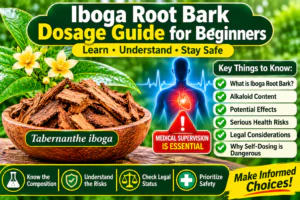
[…] ibogaine is a powerful substance with significant health risks. Its potential therapeutic applications are […]